
Baking flex pcb
Boards are generally baked at 250°F (121°C) from two to ten hours,
depending on the board thickness and design. Baking removes any moisture that may have been absorbed during processing.
Polyimide films absorb moisture quickly; therefore, soldering and reflow should be done within 30 minutes after baking.
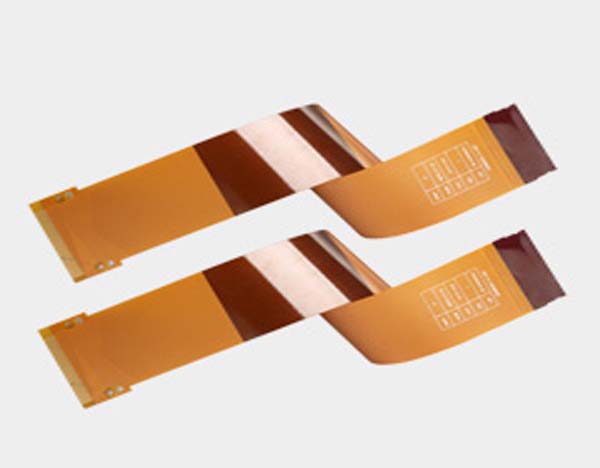
Baking a rigid flex PCB is not recommended as it can damage the board and compromise its integrity.
Rigid flex PCBs are made up of both rigid and flexible materials that are bonded together using a special adhesive.
The adhesive can be sensitive to high temperatures, and baking the board can cause it to break down and lose its bonding strength.
Additionally, baking the board can cause the copper traces to expand or contract, which can lead to cracking or delamination of the board.
If you need to dry out a rigid flex PCB, it is best to use a low-temperature oven or a desiccant to remove any moisture.
However, it is always best to consult with the manufacturer or a qualified PCB expert before attempting any kind of repair or maintenance on a rigid flex PCB.
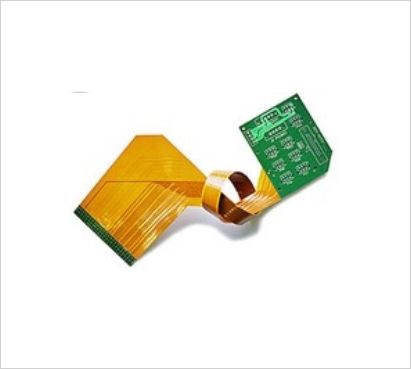
the role of baking rigid flex pcb
Baking a rigid flex PCB is not a recommended practice as it can damage the board.
However, there are some situations where baking may be necessary,
such as if the board has been exposed to moisture or if there is a concern about the bonding strength of the adhesive.
In these cases, baking can help to remove any moisture that may be present in the board and improve the bonding strength of the adhesive.
However, it is important to note that baking should only be done under controlled conditions and with the guidance of a qualified PCB expert.
Improper baking can cause damage to the board and compromise its integrity,
so it is always best to consult with a professional before attempting any kind of repair or maintenance on a rigid flex PCB.
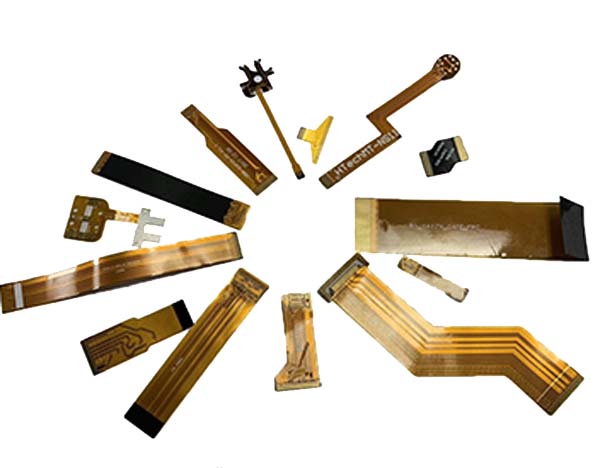
Benefits of Flex Circuit Technology
Flexible circuits provide four major benefits over rigid PC boards.
Freedom of Design – Flexible circuits allow for an almost unlimited degree of design freedom.
Flex circuits can fit in tight spaces. They can bend, fold, twist, change in width many times and even flex from a rolled configuration. This gives the package designer the freedom to relocate other parts and subassemblies where they will optimize circuit and equipment operation. The designer is no longer restricted by the space demands of bulky, rigid PCBs.
Saving on Space and Weight – Because flexible circuits can be bent, twisted and rolled to suit the contour of the equipment, designers can enjoy a space savings of up to 75%.
The larger surface-to-volume ratio of flexible circuits allow for increased heat dissipation and lighter current capacity. Denser device populations and lighter conductors can be designed into a product, freeing space for additional product features.
Reliability and Durability – Flex circuits are made from precise replicas of artwork for superior manufacturing repeatability. The etched circuits replace the solder and hand-wiring connections of the rigid board, completely eliminating wiring errors.
Production Cost Savings – Production of designs using flexible circuits require less manual labor and reduces the probability of production errors. The use of flex circuits eliminates the high cost of routing, wrapping, and soldering wires.
Complete interconnection systems are installed or replaced, rather than individual rigid printed circuit boards. This greatly eliminates wiring errors and reduces manufacturing costs. This automation also reduces the chance of human error and increases reliability in the design.
Low volume applications benefit the most when circuit designs are very complex. Most high volume applications get lower production costs regardless of the complexity of the circuit. As simpler, more direct methods of integrating circuits are discovered, the cost savings realized by flex increases. The use of conductive ink, anisotropic adhesives, and additive circuitry are ideal in designs using flex.