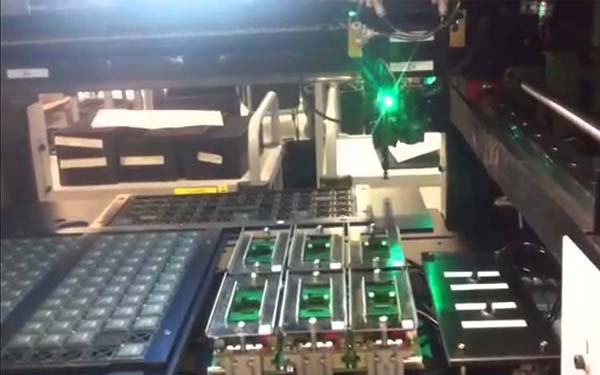
Thermal Management PCBs
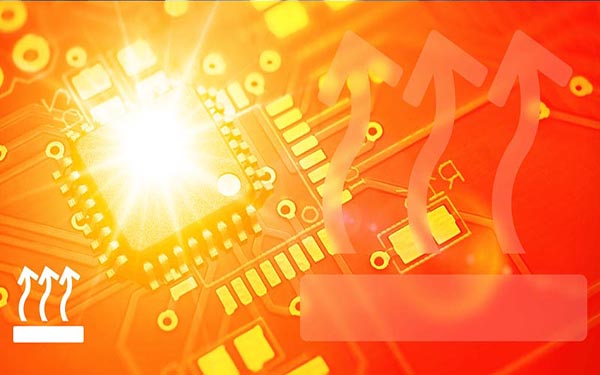
Thermal management ensures electronic systems maintain temperature within functional limits. Excessive heat causes physical damage and system failure. Metal core PCBs provide efficient heat dissipation for high-power applications.
Andwin Circuits specializes in thermal management PCB solutions with thermal conductivity up to 395 W/m·K for LED lighting, power electronics, and laser systems.
Thermal Management PCB Solutions

1. High Power LED Application
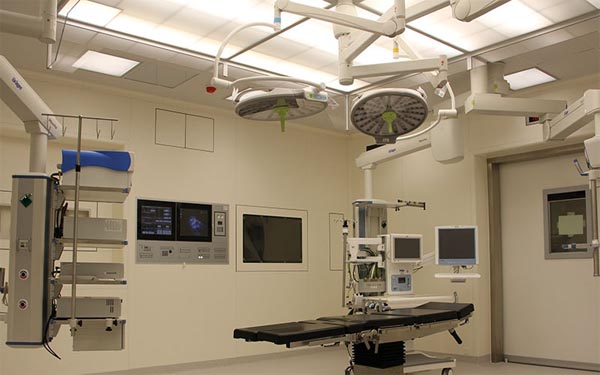
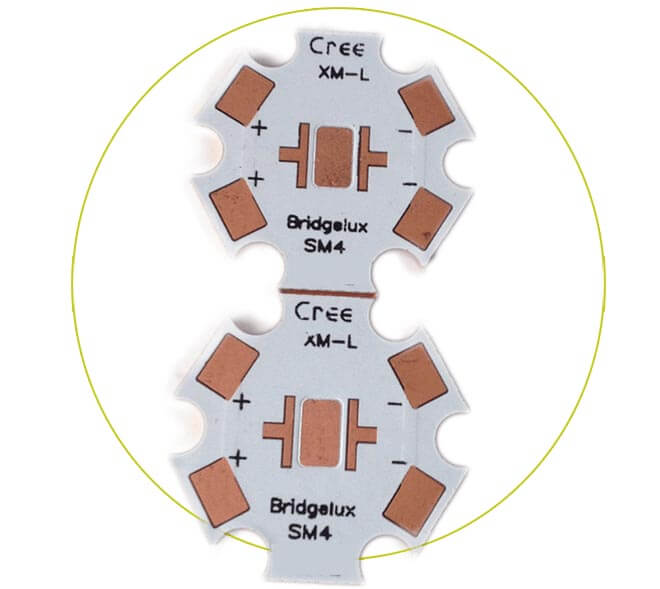
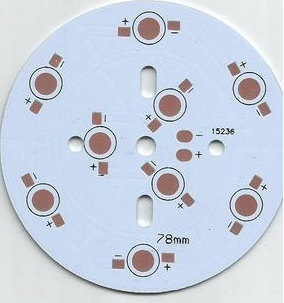
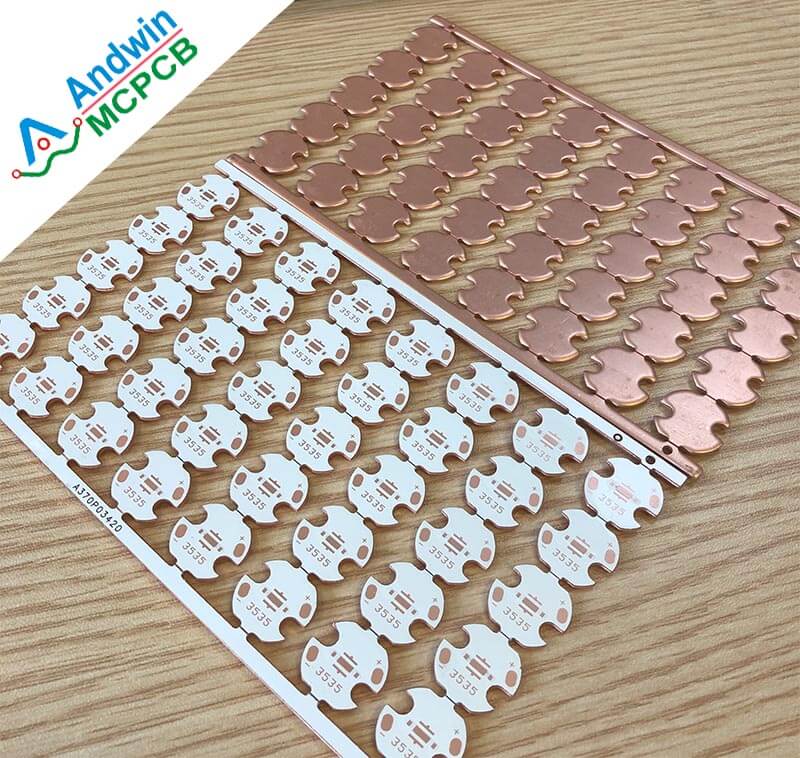
High-power LEDs generate significant heat that must be dissipated to maintain performance and lifespan. MCPCBs provide direct thermal paths from LED junction to heat sink for stage lighting, automotive lighting, street lighting, medical lighting, and aviation lighting.
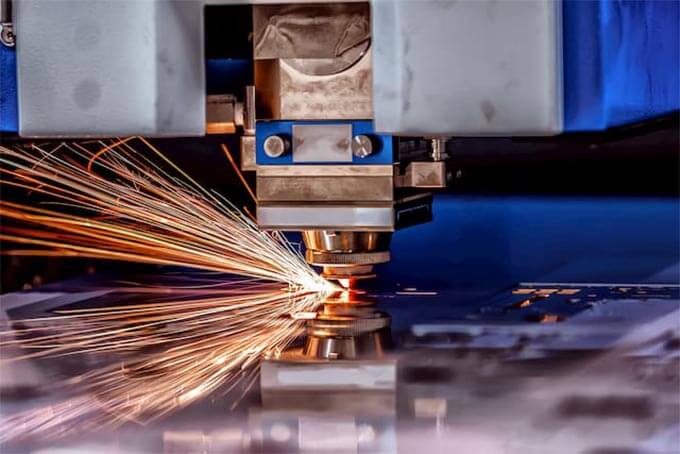
2. Laser Generator
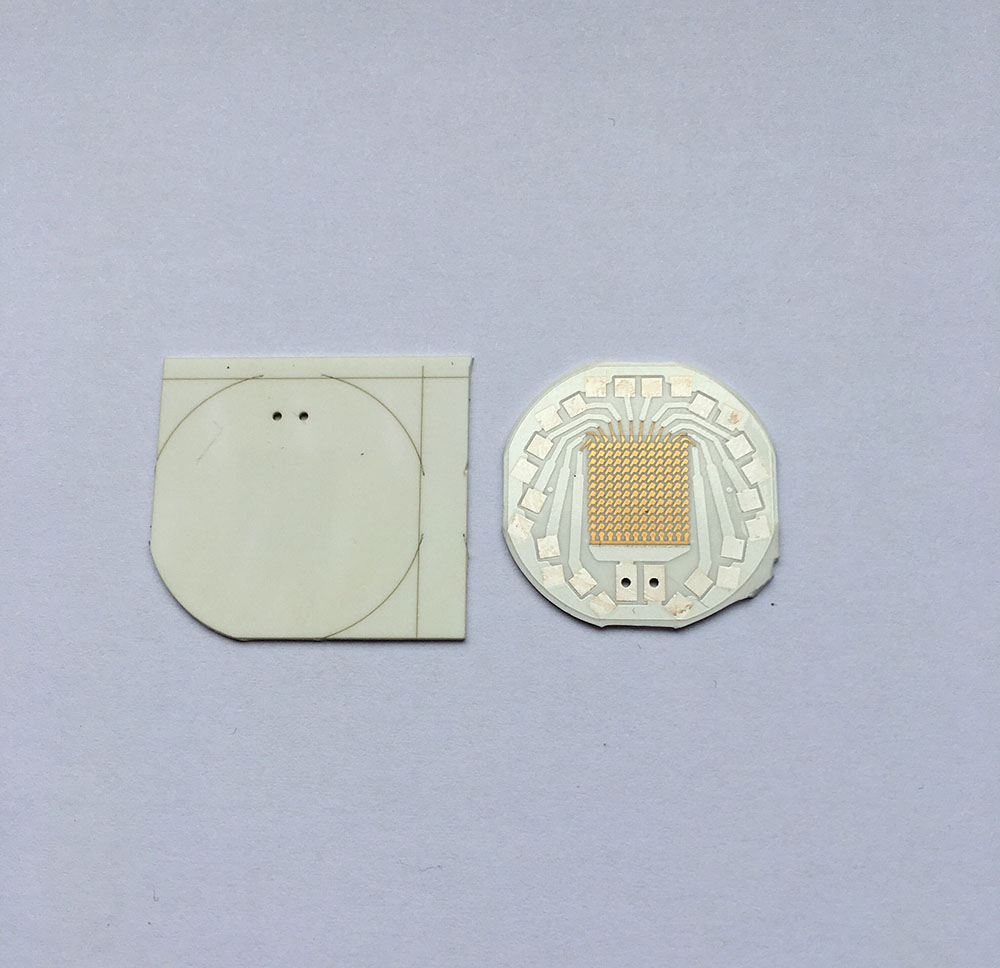
Industrial laser generators produce significant heat energy during operation. Aluminum nitride and alumina ceramic PCBs offer superior thermal conductivity and high-temperature tolerance for laser systems with red or green beam configurations.
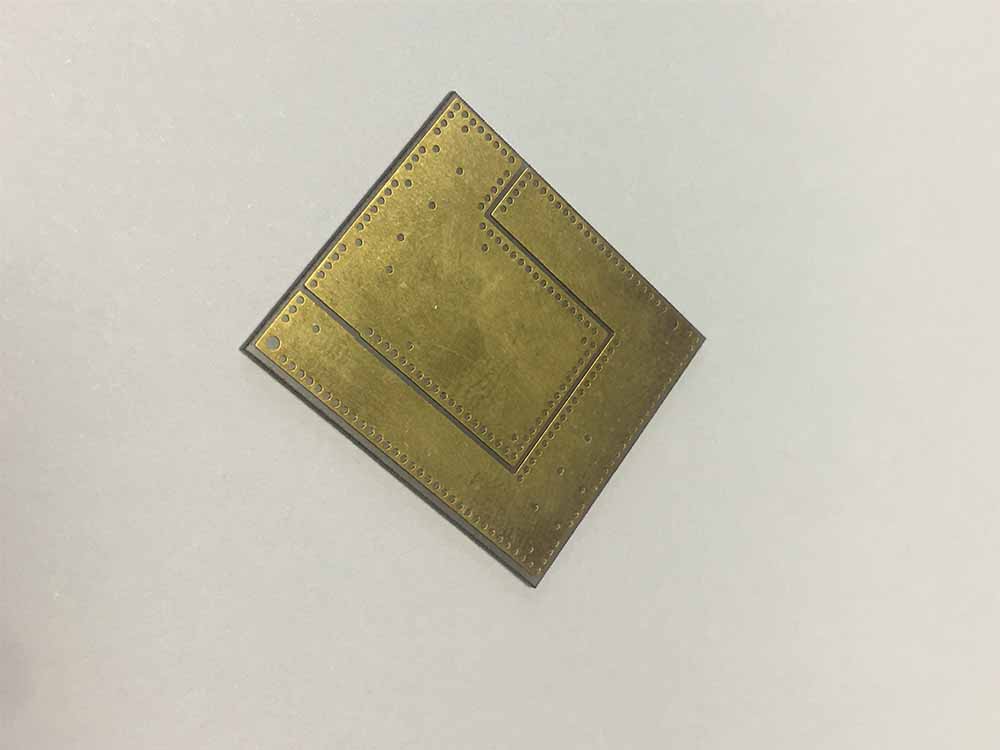
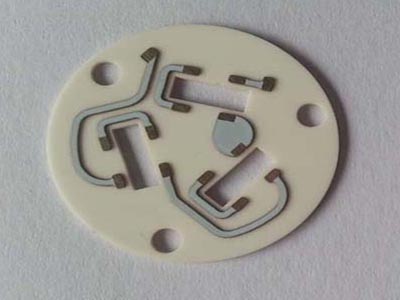
AIN Cermaic PCB
Thermal conductivity 175 W/M.K
Working Temperature : 400 Degree Celsius
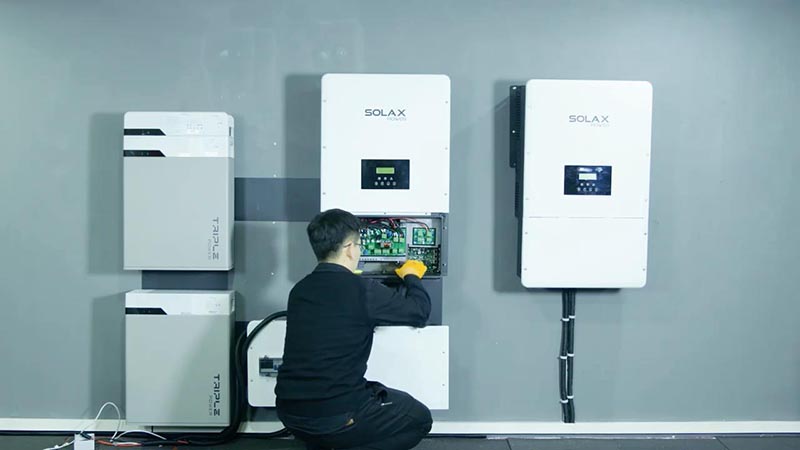
3. High-Power Inverter
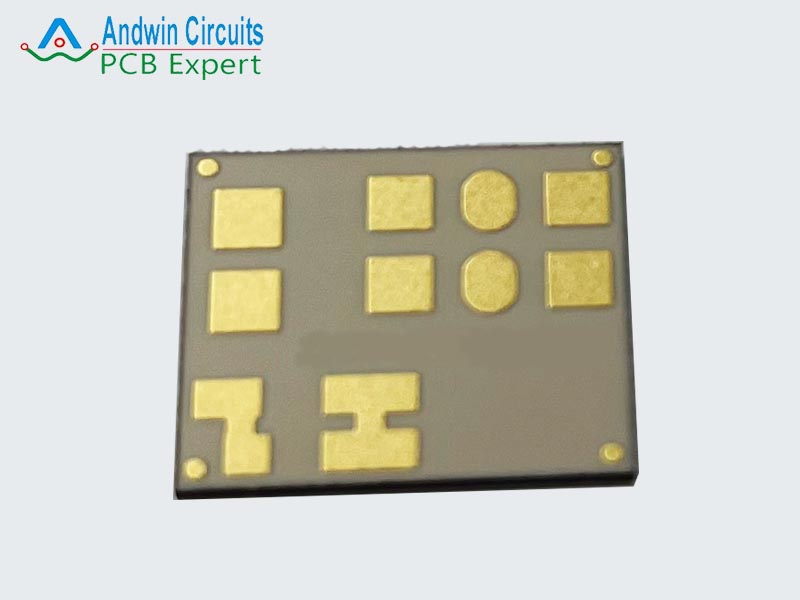
High-power inverters convert DC to stable AC power with high fuel efficiency. Power conversion generates substantial heat requiring effective thermal management PCBs with high breakdown voltage and thermal conductivity.
Why Choose Andwin Circuits
Manufacturing thermal management PCBs since 2003 for LED, power electronics, and laser applications worldwide.
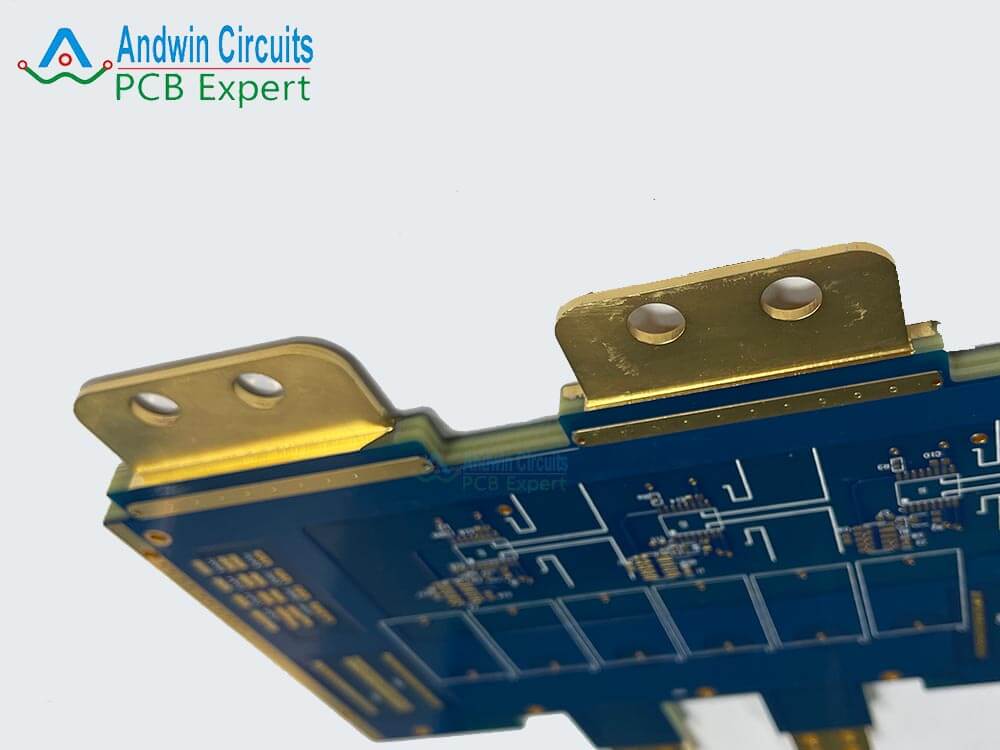
Aluminum, copper core, ceramic substrates (AlN, Al2O3, DBC) with thermal conductivity from 12 to 395 W/m·K.
Working temperature up to 400°C, breakdown voltage AC 34,000V, heavy copper up to 40 oz, direct thermal technology.
24-72 hour prototypes, 5-7 day production. ISO 9001:2015, IATF 16949, RoHS/REACH compliant.
Frequently Asked Questions
What thermal conductivity do I need for my LED application?
Standard aluminum PCBs (12 W/m·K) suit general LED lighting. High-power LEDs require direct thermal MCPCBs (395 W/m·K) or copper core PCBs (385 W/m·K) for stage lighting, automotive, and high-intensity applications.
What is the difference between MCPCB and ceramic PCB for thermal management?
MCPCBs use aluminum or copper cores with dielectric layers for cost-effective thermal management. Ceramic PCBs (AlN, Al2O3, DBC) offer higher working temperatures (up to 400°C), better electrical isolation, and superior thermal performance for extreme conditions.
Can ceramic PCBs handle high voltage applications?
Yes, DBC (Direct Bonded Copper) ceramic PCBs provide breakdown voltage up to AC 34,000V with thermal conductivity 175 W/m·K, ideal for high-power inverters, power modules, and high-voltage switching applications.
What is direct thermal MCPCB technology?
Direct thermal MCPCB eliminates the dielectric layer between copper and metal core, providing thermal conductivity up to 395 W/m·K. This technology offers the best thermal performance for high-power LED applications requiring maximum heat dissipation.
What is the maximum copper thickness for heavy copper thermal management PCBs?
We manufacture heavy copper PCBs with trace copper thickness up to 40 oz for high-current, high-power applications requiring both electrical conductivity and thermal management.
What thermal management solution is best for laser generators?
Aluminum nitride (AlN) ceramic PCBs offer thermal conductivity 175 W/m·K with working temperature up to 400°C, ideal for industrial laser generators. Al2O3 ceramic PCBs provide cost-effective thermal management for moderate power levels.
Get Started with Your Thermal Management PCB Project
Ready to discuss your thermal management PCB requirements? Our engineering team can help select the optimal substrate material and thermal solution for your application.