Automotive
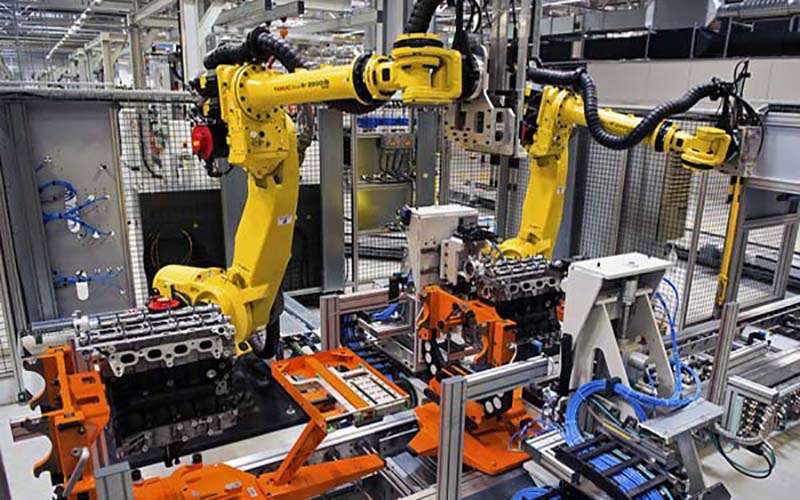
The automotive industry encompasses design, development, manufacturing, and marketing of motor vehicles. As one of the world’s largest economic sectors, automotive applications demand PCBs with exceptional reliability, thermal management, and compliance with strict quality standards.
Andwin Circuits manufactures automotive-grade PCBs with IATF 16949 certification for LED lighting, sensors, power inverters, and IGBT modules since 2003.
Automotive PCB Solutions

1. Automotive LED Lighting
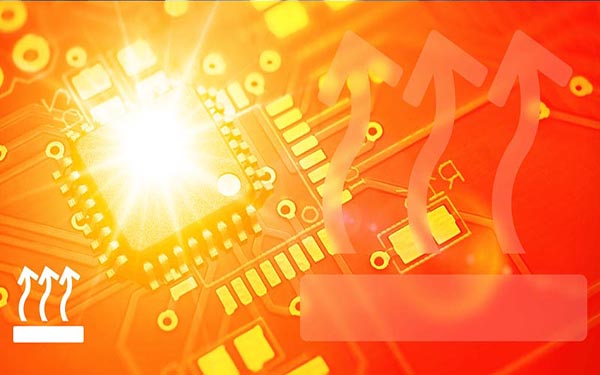
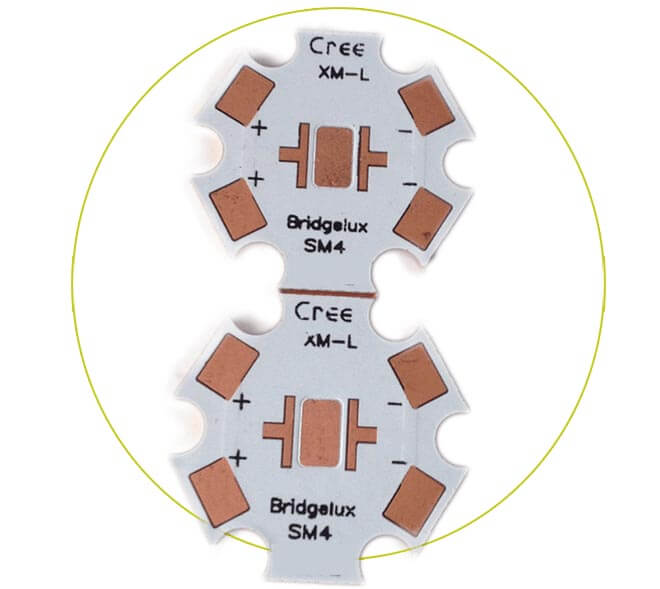
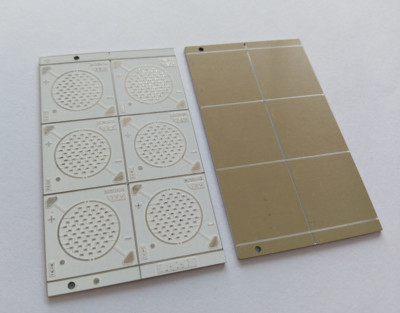
Automotive LED lighting includes headlights, fog lights, brake lights, turn signals, and interior lighting. High-power LEDs generate significant heat requiring effective thermal management PCBs. Direct thermal MCPCBs provide superior heat dissipation for brightness and longevity.
2. Car Sensor
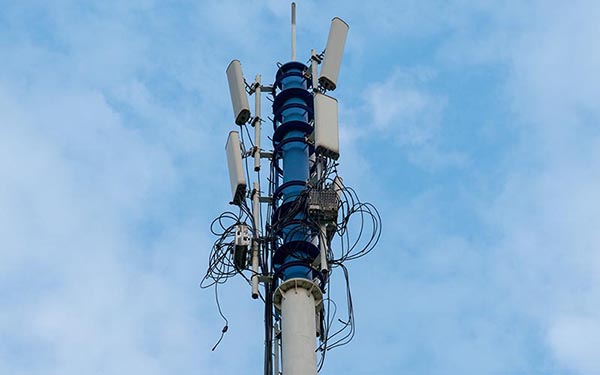
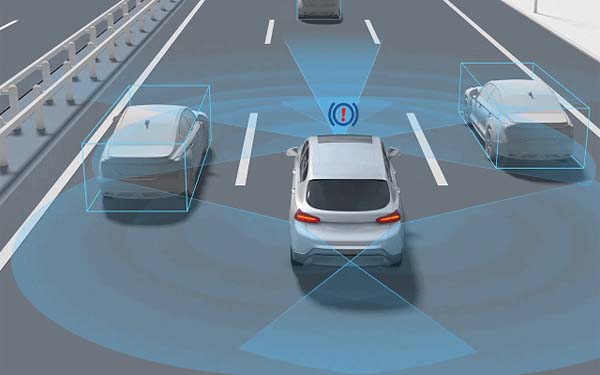
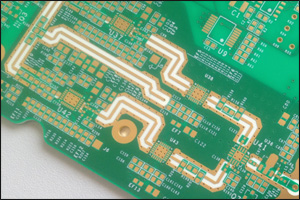
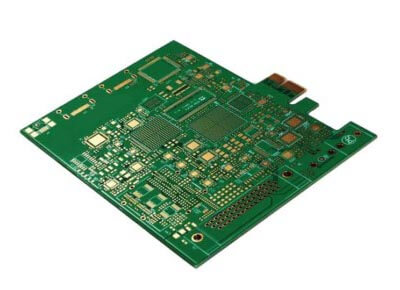
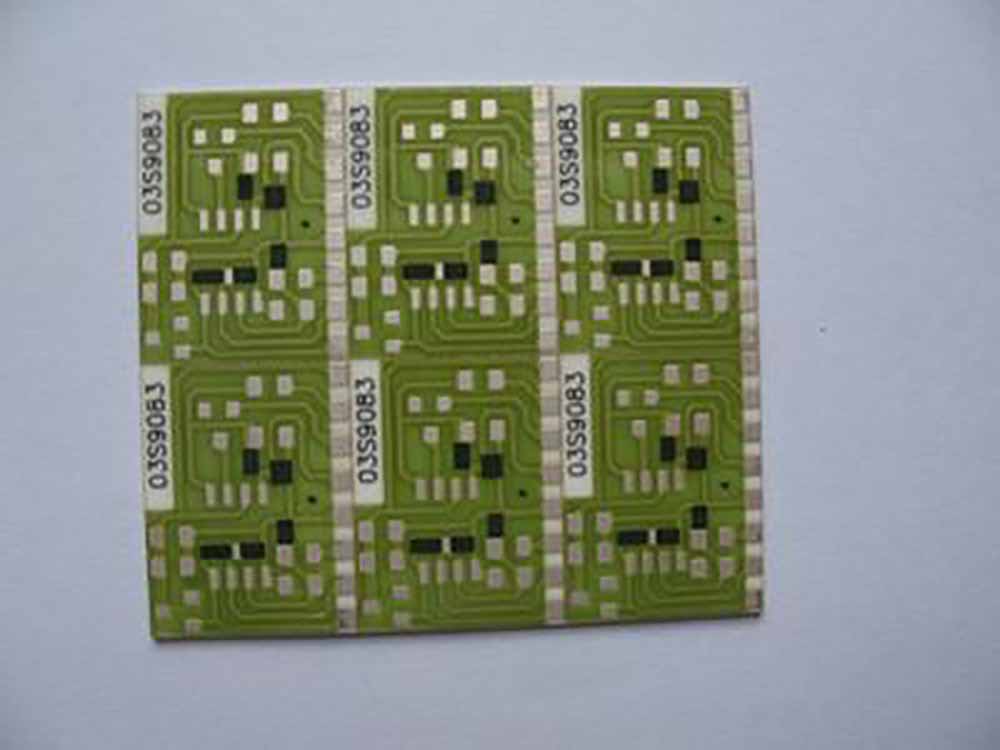
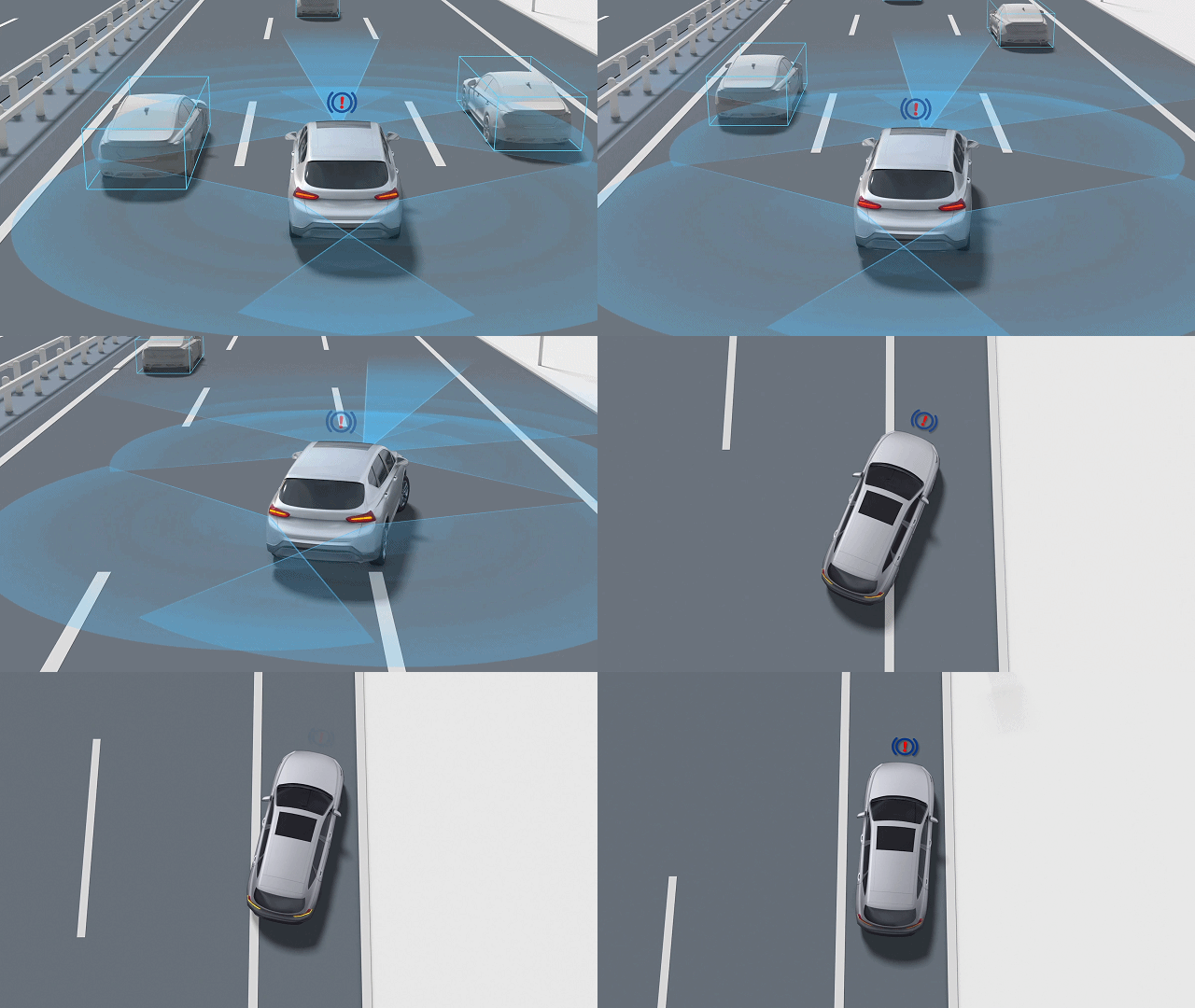
Automotive sensors monitor vehicle systems including ADAS (Advanced Driver Assistance Systems), radar, lidar, and communication modules. High-frequency PCBs and ceramic substrates ensure signal integrity and reliability in harsh automotive environments with temperature extremes and vibration.
3. High-Power Inverter
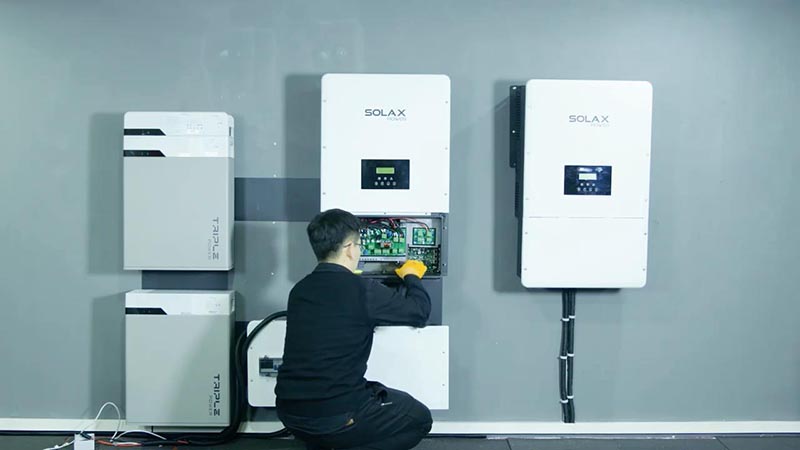
Electric vehicle inverters convert DC battery power to AC for electric motors. Power conversion generates substantial heat and operates at high voltages. Copper inlay and ceramic PCBs provide thermal management and electrical isolation for efficient power electronics.
4. IGBT Modules
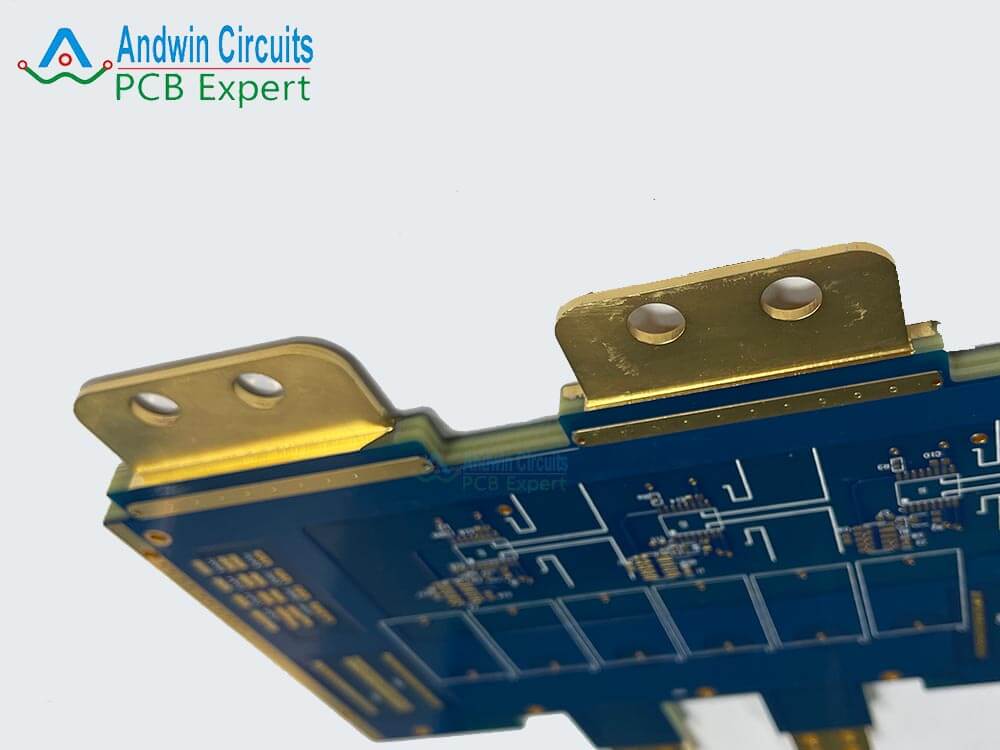
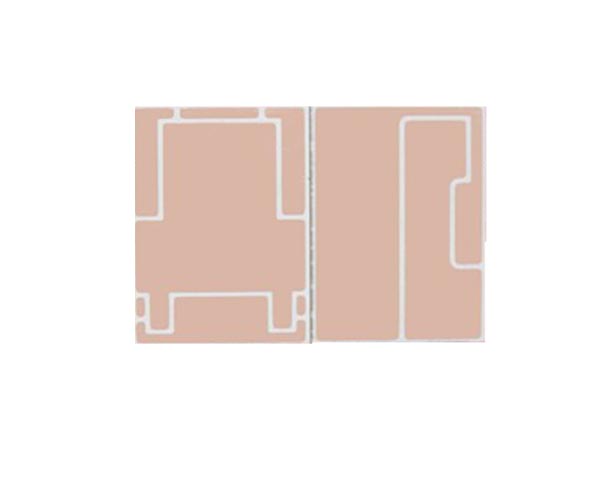
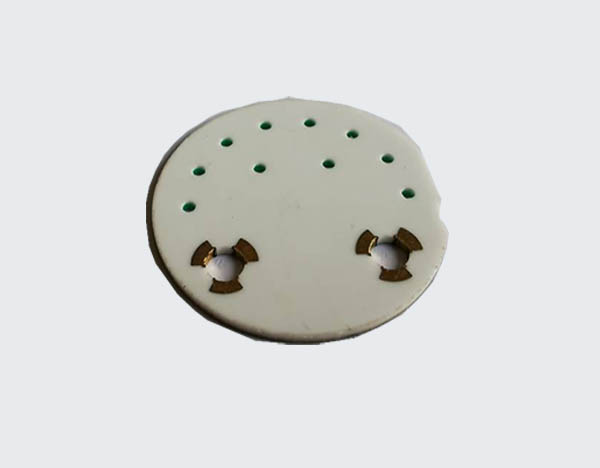
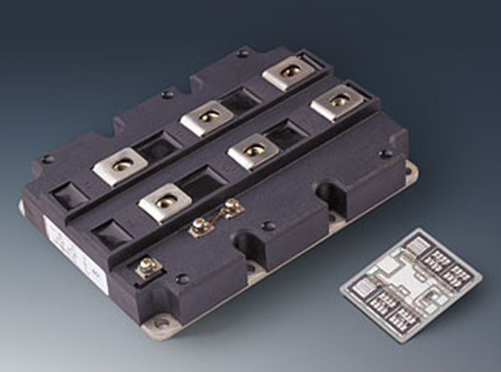
IGBT (Insulated Gate Bipolar Transistor) modules control power switching in electric vehicles, hybrid systems, and motor drives. Ceramic substrates provide high thermal conductivity, electrical isolation, and reliability for high-power semiconductor packages operating under extreme thermal cycling.
Why Choose Andwin Circuits
Manufacturing automotive PCBs since 2003 for LED lighting, EV power systems, and ADAS sensors with IATF 16949 certification.
Direct thermal MCPCB (395 W/m·K), ceramic substrates, copper inlay technology, and high-frequency materials for automotive electronics.
IATF 16949, AEC-Q200 compliance, -40°C to +150°C operating range, IPC-6012 Class 3 reliability, 100% electrical testing.
24-72 hour prototypes, 5-7 day production. ISO 9001:2015, IATF 16949, RoHS/REACH compliant for automotive applications.
Frequently Asked Questions
What certifications are required for automotive PCBs?
Automotive PCBs require IATF 16949 certification for quality management. We also comply with AEC-Q200 for component reliability, IPC-6012 Class 3 for manufacturing standards, and RoHS/REACH for environmental compliance.
Can your PCBs withstand automotive temperature extremes?
Yes, our automotive PCBs operate from -40°C to +150°C for under-hood applications. We use high Tg materials, ceramic substrates for high-temperature power electronics, and thermal management solutions for LED lighting and power modules.
What thermal management solutions do you offer for electric vehicle inverters?
We provide copper inlay PCBs for targeted heat dissipation, DBC ceramic substrates for high-voltage isolation with thermal conductivity 175 W/m·K, and heavy copper PCBs for high-current power electronics in EV inverters and motor drives.
Do you manufacture PCBs for automotive LED lighting?
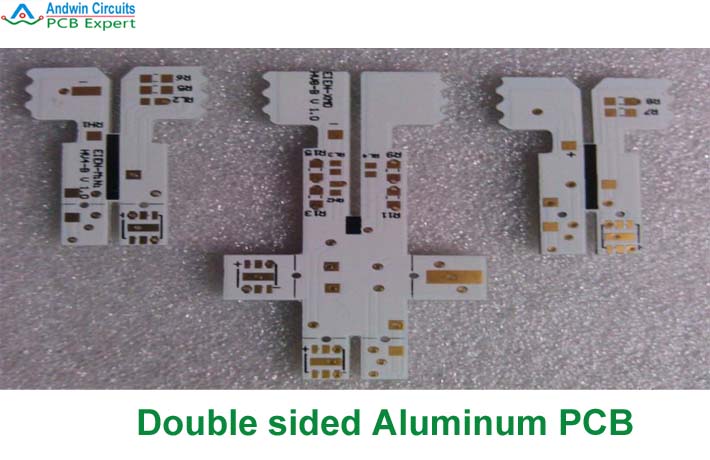
Yes, we specialize in direct thermal MCPCBs with thermal conductivity up to 395 W/m·K for automotive headlights, fog lights, brake lights, and interior lighting. Our double-sided aluminum PCBs provide cost-effective thermal management for automotive LED applications.
What is the lead time for automotive PCB prototypes?
Standard lead time is 5-7 days. We offer 24-72 hour expedited service for urgent automotive development projects. IATF 16949 certified production for volume manufacturing maintains consistent quality and traceability.
Do you support high-frequency PCBs for automotive radar and sensors?
Yes, we manufacture Rogers, Megtron 6, and other high-frequency materials for automotive radar (24 GHz, 77 GHz), lidar, V2X communication, and ADAS sensor systems requiring stable electrical properties across automotive temperature ranges.
Get Started with Your Automotive PCB Project
Ready to discuss your automotive PCB requirements? Our engineering team can help optimize your design for thermal performance, reliability, and automotive compliance.