
Skip to content
Andwin Circuits
  • Home
  • ProductsExpand
    • HDI multilayer PCB
    • Rigid Flex PCB
    • Flex pcb
    • Special PCBExpand
      • High Frequency PCBExpand
        • Rogers RO4350B PCB
        • Rogers RO4003 pcb
        • Rogers RO3003 PCB
        • Rogers 5880 PCB
        • DICLAD 527 PCB
        • Taconic TLX series
        • Taconic TLX-8 RF PCB
        • Taconic TLX-9 RF PCB
      • High speed pcbExpand
        • Megtron 6 High Speed PCB
        • TU-872 SLK Sp High Speed
      • High TG PCBExpand
        • SHENGYI SH260 PCB
        • ISOLA 370HR PCB
        • ISOLA IS410 PCB
        • ISOLA IS420 PCB
      • Heavy copper PCB
      • Copper coin pcb
      • Copper inlay PCB
    • Metal Core PCBExpand
      • Copper core pcb
      • Aluminum PCB
      • 2 Layers Aluminum PCB
      • Direct thermal MCPCB
      • 2 Layers Direct Thermal
    • Ceramic PCBExpand
      • DPC ceramic PCB
      • DBC ceramic PCB
      • Thick film Ceramic PCB
      • Al2O3 Alumina PCB
      • AIN ALN ceramic PCB
      • IGBT Ceramic PCB
  • ServiceExpand
    • PCB Assembly
    • Quick turn PCB assembly
    • PCBA conformal coating
  • IndustryExpand
    • Telecommunication
    • IoT and Wireless
    • Industrial Control
    • Thermal management
    • Power and Energy
    • IC test board
    • Automative
    • Medical
  • CapabilityExpand
    • Rigid PCB
    • Rigid flex PCB
    • Metal core PCB
    • PCB Assembly
  • TechnologyExpand
    • Blogs
    • Via in pad
    • PCB E-test
    • PCB stack up
    • MCPCB panelization
    • Controlled impedance PCB
  • AboutExpand
    • About us
    • Certification
    • Factory Tour
  • Contact
Andwin Circuits
Home / Explanation of materials and manufacturing process of FPC soft board

Explanation of materials and manufacturing process of FPC soft board

ByGrace December 24, 2024December 23, 2024

FPC is a flexible circuit board, which belongs to a type of PCB circuit board. FPC soft board is widely used, such as FPCC connector, FPC antenna, wireless charging coil array, etc. So what materials are FPC made of?

1.Raw materials

    (1) Glue material and non-glue material; the copper on the material is divided into electrolytic copper and rolled copper. The material of non-glue rolled copper is flexible and has better foldability.

    (2) Material thickness: PI+copper thickness

    2.Covering film

      The covering film is composed of PI and glue.

      3.Reinforcement

        There are generally the following types of reinforcement: PI reinforcement, PET reinforcement, FR4 reinforcement, steel sheet reinforcement, etc. The general reinforcement thickness is PI1/2 1/2, PI11, PI21, PI31 to PI91. The two numbers after PI represent the thickness of PI and the thickness of glue respectively, in Mil. The thickness depends on customer requirements.

        4.Pure glue

          Pure glue is mainly used for lamination and layering of multilayer boards, and is also used for bonding reinforcement.

          5.Screening film

            It mainly plays the role of signal shielding, and it must be grounded.

            6.3M glue

              It is used for bonding reinforcement and fixing FPC.
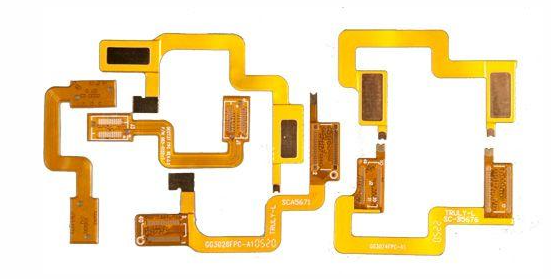
              The process manufacturing process is as follows:

              To date, almost all FPC manufacturing processes are processed by subtractive method (etching method). Usually, copper clad board is used as the starting material, and the anti-etching layer is formed by photolithography, and the copper surface of the unwanted part is etched away to form the circuit conductor. Due to problems such as side etching, the etching method has processing limitations for fine circuits.

              Then, the sputtering method is used to form a planting layer on the polyimide substrate film, and then the anti-etching layer pattern of the reverse pattern of the circuit is formed on the planting layer by photolithography, which is called the plating resistance layer.
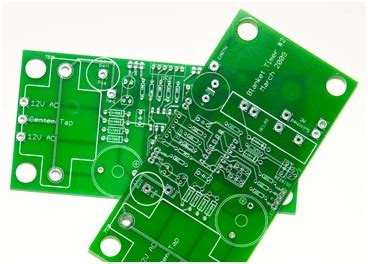
              The conductor circuit is formed by electroplating in the blank part. Then remove the anti-etching layer and unnecessary planting layer to form the first layer of circuit. Apply photosensitive polyimide resin on the first layer of circuit, use photolithography to form holes, protective layer or insulating layer for the second layer of circuit, and then sputter to form planting layer on it as the base conductive layer of the second layer of circuit. Repeat the above process to form a multi-layer circuit.

              Using this semi-additive method, ultra-fine circuits with a pitch of 5um and a through hole of 10um can be processed. The key to using the semi-additive method to make ultra-fine circuits lies in the performance of the photosensitive polyimide resin used as the insulating layer.

              FPC flexible circuit boards have a huge role in the future development. For example, the newly developed bendable screens, mobile phones, computers, automobiles, aviation and other fields are inseparable from flexible circuit boards. What do you think the future development direction of PCB should be?

              Contact us for PCB quote now |
              Post Tags: #aluminum clad pcb#aluminum core pcb#flex pcb#Flexible pcb actuator

              Post navigation

              Previous Previous
              Signal Isolation Technology
              NextContinue
              Crosstalk control of high-speed digital systems

              Search

              Search

              Products

              • HDI Multilayer PCB
              • Rigid Flex PCB
              • Flex pcb
              • High Frequency PCB
              • High speed pcb
              • Heavy copper PCB
              • Metal Core PCB
              • Ceramic PCB

              Address

              Andwin Circuits Co.,Limited
              Email: sales@andwinpcb.com
              Tel: +86 755 2832 9394
              Fax:+86 755 2992  6717
              ADD:1-2F-1217,HouDeQun Industrial park,
              NanTing RD NO.56,ShaJing,BaoAn,Shenzhen 518104,GuangDong,China

              Products

              • HDI Multilayer PCB
              • Rigid Flex PCB
              • Flex pcb
              • High Frequency PCB
              • High speed pcb
              • Heavy copper PCB
              • Metal Core PCB
              • Ceramic PCB

              Technology

              • Blogs
              • Via in pad
              • PCB E-test
              • PCB stack up
              • Metal core PCB panelization
              • Controlled impedance PCB

              CERTIFICATION

              Certification >>


              Copyright© 2003 - 2026 Andwin | All Rights Reserved | Powered by Andwin

              Scroll to top
              • Home
              • Products
                • HDI multilayer PCB
                • Rigid Flex PCB
                • Flex pcb
                • Special PCB
                  • High Frequency PCB
                    • Rogers RO4350B PCB
                    • Rogers RO4003 pcb
                    • Rogers RO3003 PCB
                    • Rogers 5880 PCB
                    • DICLAD 527 PCB
                    • Taconic TLX series
                    • Taconic TLX-8 RF PCB
                    • Taconic TLX-9 RF PCB
                  • High speed pcb
                    • Megtron 6 High Speed PCB
                    • TU-872 SLK Sp High Speed
                  • High TG PCB
                    • SHENGYI SH260 PCB
                    • ISOLA 370HR PCB
                    • ISOLA IS410 PCB
                    • ISOLA IS420 PCB
                  • Heavy copper PCB
                  • Copper coin pcb
                  • Copper inlay PCB
                • Metal Core PCB
                  • Copper core pcb
                  • Aluminum PCB
                  • 2 Layers Aluminum PCB
                  • Direct thermal MCPCB
                  • 2 Layers Direct Thermal
                • Ceramic PCB
                  • DPC ceramic PCB
                  • DBC ceramic PCB
                  • Thick film Ceramic PCB
                  • Al2O3 Alumina PCB
                  • AIN ALN ceramic PCB
                  • IGBT Ceramic PCB
              • Service
                • PCB Assembly
                • Quick turn PCB assembly
                • PCBA conformal coating
              • Industry
                • Telecommunication
                • IoT and Wireless
                • Industrial Control
                • Thermal management
                • Power and Energy
                • IC test board
                • Automative
                • Medical
              • Capability
                • Rigid PCB
                • Rigid flex PCB
                • Metal core PCB
                • PCB Assembly
              • Technology
                • Blogs
                • Via in pad
                • PCB E-test
                • PCB stack up
                • MCPCB panelization
                • Controlled impedance PCB
              • About
                • About us
                • Certification
                • Factory Tour
              • Contact
              Search