
Electronic Design Trends—Open Source PCB Design
One of the biggest trends in electronic design is the use of open source hardware and its accompanying open source schematics and PCB layouts.
Using open source hardware and its accompanying resources means engineers can easily use existing designs, which improves efficiency and reduces time to market. This trend is likely to grow as engineers gain a deeper understanding of the differences between traditional PCB and open source PCB design.
Open source PCB design has several advantages over traditional PCB design, including the repeatability of power and digital sections as well as high-speed data sections, which makes engineers more inclined to open source PCB design. In the past design process, engineers have always faced the problem of power layout, and in open source design, boards have become faster and configured with RF architectures, which makes power layout more complex and engineers must pay closer attention to board line width, line spacing, and vias. In an open source PCB design environment, any layout that has proven to be effective can be copied and used without having to redesign from scratch.

Growth Trend
When designing higher-speed board layouts (or layouts with similar performance), many engineers are generally accustomed to referring to application notes or seeking help from manufacturers, or even using PDF versions of the board to measure the wiring to scale on paper. Therefore, when faced with application designs involving diverse and complex layouts, engineers prefer open source PCBs. Open source design is easy to use, and engineers do not need to become “layout experts” to complete all module designs in the PCB design process. Especially when encountering special problems, engineers will obviously feel no layout pressure. For example: For the power module, which is more difficult in traditional PCB design, its layout will become simpler if the existing open source design solution is used. Complex PCB design layouts such as power supply, high-speed interface and line, and even impedance matching line layout can be reused or copied simply and quickly through open source.
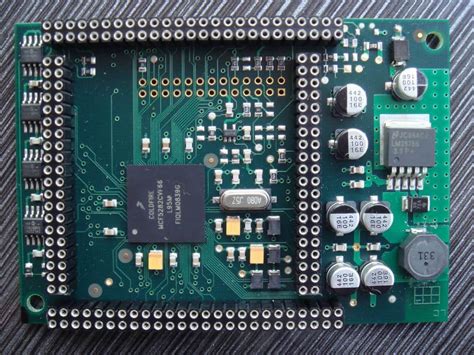
Challenges and advantages
The integration of open source design faces several challenges, such as more noise problems. When the circuit board uses high-current switches, noise will be scattered to other lines. But the biggest and most important challenge facing open source design may be the change in the learning curve. For a simple example, although engineers can easily copy and paste open source layouts, they may also lose the opportunity to learn the basics of complete design, including setting spacing, necessary line width, impedance matching, etc.
This undoubtedly puts engineers in a dilemma:
if they do not use open source design, they will encounter certain component design problems in the design process, and if they use open source design, they may not be able to learn deep design knowledge. Without knowledge of the fundamental principles of design, engineers will have difficulty tackling future unique design challenges.
On the other hand, using open source designs can provide engineers with a new perspective on the PCB design process. That is, if done right, the learning barrier created by using open source designs can be transformed into a real learning opportunity.
Using open source designs can provide engineers with a starting point for learning about design.
Engineers can learn more about PCB design if they view open source layouts as a reference point. From this reference point, engineers can work backwards to better understand why certain layouts are laid out in certain ways, creating a new way for engineers to learn from existing designs that is not available in traditional PCB design models.
Going back to the power supply design mentioned earlier, if engineers use open source layouts during the design process, they can reverse analyze the design process from the results based on the specific components, trace spacing, and copper count used in the power supply design, providing engineers with a great opportunity to learn design fundamentals from a practical perspective, including thermal management, impedance matching, power supply layout, etc.
Some tips
Engineers must carefully decide whether to use open source designs, as not all open source designs are truly “proven.” For example, when creating an open source layout, an engineer may not fully consider whether it will work for another engineer’s design layout. For example, in the case of thermal management in an open source design, if the engineer does not fully understand the difference between the design solutions, the design may fail. Simply put, sometimes we do not know where the open source layout used comes from, so it is difficult to predict its reliability.
Or take the case of a power module design based on an open source layout.
At first, the engineer may think that the board works well and integrate it into the design. But when it comes to the testing phase, it may be discovered that the initial design was not fully tested to meet specific specifications or requirements, such as electromagnetic interference (EMI) caused by radiation or conduction.
Fortunately, engineers who are designing with open source layouts for the first time can refer to the following precautions. PCB layouts from semiconductor suppliers are likely to be more robust and reliable than layouts from online bulletins, websites or forums. Just as engineers in the element14 open source discussion group like to gather on the element14 platform to discuss, other PCB design engineers in the same industry use the forum as one of the channels to discuss the success and failure of specific open source layout applications. As PCB design gradually shifts to an open source model, we must clearly understand the challenges, advantages, and unique learning opportunities brought by open source PCB design, which will not only benefit engineers and manufacturers, but will also strongly promote the development of the entire PCB industry.