
PCB Board Drill Bits: A Comprehensive Guide
Introduction
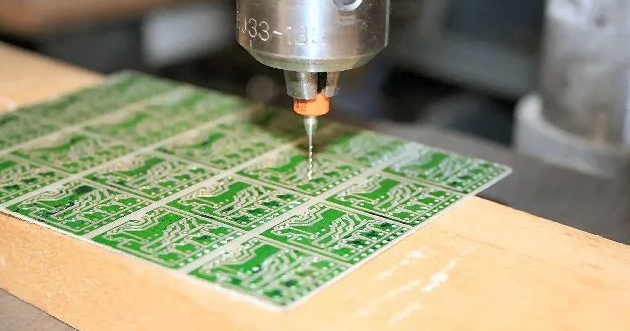
Printed Circuit Boards (PCBs) are the backbone of modern electronics, providing the necessary connections for components to function. One of the most critical processes in PCB manufacturing is drilling, which creates holes for vias, through-holes, and mounting points. The precision and quality of these holes depend heavily on the PCB drill bits used.
This article explores the types, materials, applications, and best practices for PCB drill bits, ensuring optimal performance in PCB fabrication.
1. Types of PCB Drill Bits
PCB drilling requires high precision due to the small hole sizes (often as tiny as 0.1 mm). The most common types of PCB drill bits include:
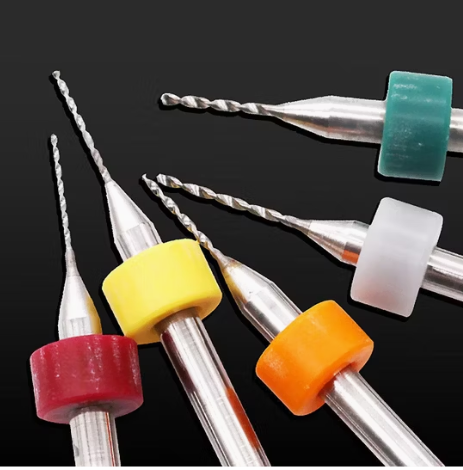
A. Standard Twist Drills
- The most widely used type for general PCB drilling.
- Features a helical flute design for chip removal.
- Available in various diameters (0.2 mm to 6.5 mm).
B. Micro-Drill Bits
- Used for ultra-fine holes (below 0.2 mm).
- Made from high-hardness materials like tungsten carbide.
- Common in high-density interconnect (HDI) PCBs.
C. Carbide Drill Bits
- Made from tungsten carbide for extreme durability.
- Resistant to wear and high temperatures.
- Ideal for high-volume PCB production.
D. Diamond-Coated Drill Bits
- Used for drilling abrasive materials like ceramic-filled PCBs.
- Diamond coating enhances lifespan and cutting efficiency.
E. Laser Drilling (Alternative to Mechanical Drilling)
- Not a drill bit but a technology for ultra-micro holes (< 0.1 mm).
- Uses lasers for precision without mechanical wear.
2. Materials Used in PCB Drill Bits
The material of a drill bit determines its durability, precision, and suitability for different PCB materials.
A. High-Speed Steel (HSS)
- Affordable but less durable for high-volume drilling.
- Suitable for prototyping and low-volume PCB production.
B. Tungsten Carbide (WC)
- The most common material for PCB drill bits.
- Extremely hard and wear-resistant.
- Maintains sharpness even after thousands of holes.
C. Polycrystalline Diamond (PCD)
- Used for highly abrasive PCB materials.
- Expensive but long-lasting in demanding applications.
D. Coated Drill Bits (TiN, TiAlN)
- Titanium nitride (TiN) or titanium aluminum nitride (TiAlN) coatings.
- Reduce friction and increase tool life.
3. Key Factors in PCB Drill Bit Selection
Choosing the right drill bit is crucial for hole accuracy and tool longevity. Consider the following factors:
A. Drill Bit Diameter
- Must match the required hole size (typically 0.1 mm to 6.5 mm).
- Smaller diameters require higher spindle speeds.
B. Flute Design
- Affects chip evacuation and hole quality.
- Single-flute for softer materials, double-flute for harder PCBs.
C. Shank Type
- Most PCB drills use straight shanks for CNC drilling machines.
- Some specialized bits have reduced shanks for better grip.
D. Point Angle
- Standard 118° or 135° for general drilling.
- Different angles for specialized materials (e.g., 90° for brittle substrates).
E. Coating
- Uncoated for standard FR4 PCBs.
- Coated for high-frequency or metal-core PCBs.
4. Common Applications of PCB Drill Bits
PCB drill bits are used in various stages of PCB manufacturing:
A. Through-Hole Drilling
- Creates holes for component leads and vias.
- Requires high precision to ensure proper plating.
B. Via Drilling
- Blind vias (partial-depth holes) and buried vias (internal layers).
- Micro-drills (< 0.3 mm) are often used.
C. Mounting Hole Drilling
- Larger holes (1 mm+) for screws and connectors.
- Requires robust bits to prevent breakage.
D. High-Density Interconnect (HDI) PCBs
- Uses ultra-fine drills (0.1 mm – 0.3 mm).
- Demands high spindle speeds (80,000 – 150,000 RPM).
5. Best Practices for PCB Drilling
To maximize drill bit life and hole quality, follow these best practices:
A. Optimal Speed and Feed Rates
- Higher RPM for smaller bits (e.g., 100,000 RPM for 0.2 mm bits).
- Adjust feed rate to prevent bit breakage (e.g., 1-3 m/min).
B. Proper Cooling and Lubrication
- Use air blast or minimal lubrication to reduce heat.
- Prevents resin buildup on the drill bit.
C. Regular Tool Inspection
- Check for wear, chipping, or dull edges.
- Replace worn bits to avoid poor hole quality.
D. Stack Drilling for Efficiency
- Drill multiple PCBs stacked together.
- Reduces machine time but requires precise alignment.
E. Use of Entry and Backup Boards
- Entry boards prevent burring on the top layer.
- Backup boards reduce exit burrs and protect the machine bed.
6. Challenges in PCB Drilling
Despite advancements, PCB drilling faces several challenges:
A. Drill Bit Breakage
- Common with micro-drills (< 0.3 mm).
- Caused by improper feed rates or misalignment.
B. Hole Wall Roughness
- Poor chip evacuation leads to rough holes.
- Affects plating quality in vias.
C. Resin Smearing
- Occurs in high-temperature drilling.
- Can block hole conductivity if not cleaned properly.
D. Tool Wear in High-Volume Production
- Carbide bits wear out after 1,000–3,000 holes.
- Requires frequent replacement in mass production.
7. Future Trends in PCB Drilling Technology
As PCBs become more complex, drilling technology evolves:
A. Laser Drilling Dominance
- Replacing mechanical drills for ultra-HDI PCBs.
- Allows for smaller, more precise holes.
B. Automated Drill Bit Changers
- CNC machines with auto-tool changers improve efficiency.
- Reduces downtime in high-volume production.
C. Advanced Coatings
- Nano-coatings for longer tool life.
- Self-lubricating coatings to reduce friction.
D. AI-Based Drilling Optimization
- Machine learning for predictive tool wear monitoring.
- Optimizes drilling parameters in real time.
Conclusion
PCB drill bits are a critical component in PCB manufacturing, determining the accuracy, reliability, and efficiency of the drilling process. Selecting the right type, material, and size of drill bit ensures high-quality PCB production while minimizing tool wear and breakage.
As PCB technology advances, innovations in drill bit materials, coatings, and laser drilling will continue to push the boundaries of precision and performance. By following best practices and staying updated with industry trends, manufacturers can achieve superior drilling results in both prototyping and mass production.