
PCB Support Metallic: Enhancing Performance and Reliability in Modern Electronics
Introduction
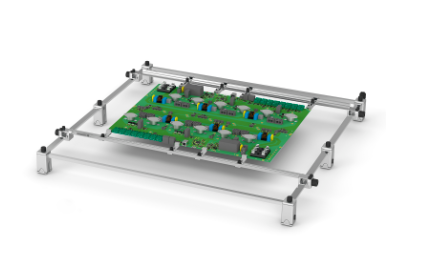
Printed Circuit Boards (PCBs) are the backbone of modern electronic devices, providing the necessary platform for electrical connections and component mounting. As electronic systems become more complex and miniaturized, the demand for robust and reliable PCB designs has increased significantly. One critical aspect of PCB design is the use of metallic supports, which play a vital role in mechanical stability, thermal management, and electrical performance.
This article explores the importance of PCB support metallic structures, their applications, materials, and design considerations. By understanding these elements, engineers can optimize PCB performance in high-stress environments such as automotive, aerospace, and industrial electronics.
The Role of Metallic Supports in PCBs
Metallic supports in PCBs serve multiple functions, including:
- Mechanical Reinforcement – PCBs in harsh environments (e.g., automotive or aerospace applications) experience vibrations, shocks, and mechanical stress. Metallic supports (such as stiffeners, brackets, and heat sinks) enhance structural integrity.
- Thermal Management – High-power components generate significant heat, which can degrade performance. Metallic supports, often made of aluminum or copper, help dissipate heat efficiently.
- Electrical Shielding – In high-frequency applications, metallic supports can act as electromagnetic interference (EMI) shields, reducing noise and signal distortion.
- Component Mounting – Heavy components (e.g., transformers or large capacitors) require additional support to prevent solder joint failures.
Common Metallic Support Structures in PCBs
1. Metal Core PCBs (MCPCBs)
- Used in LED lighting, power electronics, and automotive systems.
- Consist of a thermally conductive metal layer (typically aluminum or copper) bonded to a dielectric layer.
- Enhances heat dissipation, improving component lifespan.
2. PCB Stiffeners
- Often made of stainless steel or aluminum.
- Used in flexible PCBs (flex circuits) to prevent bending in critical areas.
- Common in wearable electronics and foldable devices.
3. Heat Sinks and Thermal Vias
- Metallic heat sinks are attached to high-power components (e.g., CPUs, power transistors).
- Thermal vias (plated holes filled with conductive material) transfer heat to other PCB layers.
4. EMI/RFI Shielding
- Metal cans or coatings (e.g., nickel, silver) are used to block electromagnetic interference.
- Critical in wireless communication devices and medical electronics.
5. Metal Backplanes and Enclosures
- Provide structural support for multi-board systems (e.g., server racks).
- Often made of aluminum or steel for durability.
Materials Used in PCB Metallic Supports
The choice of metal depends on thermal, mechanical, and electrical requirements:
| Metal | Thermal Conductivity (W/mK) | Electrical Conductivity | Common Applications |
|---|---|---|---|
| Aluminum | 205-250 | Good | Heat sinks, MCPCBs |
| Copper | 385-400 | Excellent | High-frequency PCBs, RF shielding |
| Stainless Steel | 15-20 | Poor (used structurally) | Stiffeners, enclosures |
| Nickel | 90 | Moderate | EMI shielding, plating |
| Silver | 429 | Best | High-end RF applications |
Design Considerations for Metallic PCB Supports
- Thermal Expansion Compatibility
- Different metals expand at different rates when heated.
- Mismatched coefficients of thermal expansion (CTE) can cause warping or solder joint failure.
- Weight and Space Constraints
- In portable electronics, lightweight metals like aluminum are preferred.
- High-density designs may require thin metallic layers.
- Manufacturing Techniques
- Metal Inlays – Embedded metal pieces for localized reinforcement.
- Plating – Electroless nickel immersion gold (ENIG) for corrosion resistance.
- Laser Cutting – Precision shaping of metal supports.
- Cost vs. Performance Trade-offs
- Copper offers excellent conductivity but is expensive.
- Aluminum is cost-effective for thermal management.
Applications of Metallic PCB Supports
1. Automotive Electronics
- PCBs in vehicles face extreme temperatures and vibrations.
- Metal-core PCBs and stiffeners ensure reliability in engine control units (ECUs) and LED headlights.
2. Aerospace and Defense
- High-reliability systems require robust metallic supports.
- EMI shielding is critical for avionics and radar systems.
3. Consumer Electronics
- Smartphones use metal frames for structural support.
- Flexible PCBs in foldable phones rely on metallic stiffeners.
4. Industrial Power Electronics
- Inverters and motor drives generate significant heat, requiring copper heat sinks.
Future Trends in Metallic PCB Supports
- Advanced Composite Metals – Hybrid materials (e.g., copper-clad aluminum) for better performance.
- Additive Manufacturing – 3D-printed metallic supports for custom PCB designs.
- Nanostructured Coatings – Improved thermal and EMI shielding properties.
Conclusion
Metallic supports in PCBs are essential for enhancing mechanical stability, thermal management, and electrical performance. By carefully selecting materials and optimizing design, engineers can ensure reliability in demanding applications. As technology evolves, innovations in metallic PCB supports will continue to drive advancements in electronics.
For engineers and designers, staying updated with the latest trends in PCB support metallic solutions is crucial for developing next-generation electronic systems.