
The Impact of Thermal Management on PCB Design and PCBA Functionality
Abstract
Thermal management is a critical aspect of printed circuit board (PCB) design and printed circuit board assembly (PCBA) functionality. As electronic devices become more compact and power-dense, effective heat dissipation ensures reliability, performance, and longevity. This paper explores how thermal considerations influence PCB design, material selection, component placement, and overall PCBA performance. Key challenges, mitigation strategies, and advanced cooling techniques are discussed to provide a comprehensive understanding of thermal management in modern electronics.
1. Introduction
With the increasing demand for high-performance electronics, managing heat dissipation in PCBs has become a crucial engineering challenge. Excessive heat can lead to component degradation, signal integrity issues, and even catastrophic failure. Proper thermal management ensures stable operation, extends product lifespan, and enhances efficiency. This paper examines how heat affects PCB design and PCBA functionality while presenting solutions to optimize thermal performance.
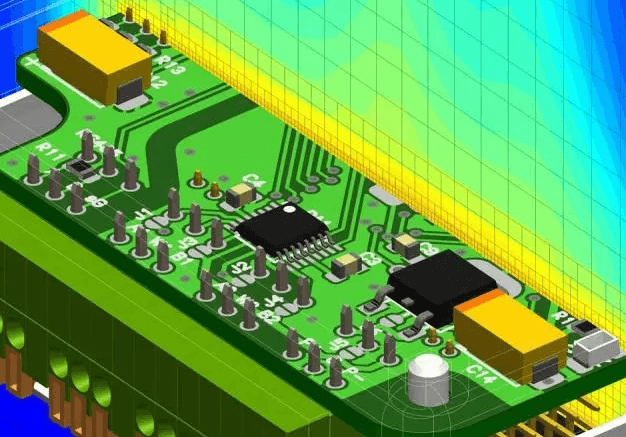
2. The Importance of Thermal Management in PCBs
2.1 Heat Generation in Electronic Components
Modern electronic components, such as CPUs, GPUs, power regulators, and high-speed communication ICs, generate significant heat during operation. Joule heating (I²R losses), switching losses, and dielectric losses contribute to temperature rise. Without proper dissipation, this heat can:
- Reduce component efficiency (e.g., increased resistance in traces)
- Cause thermal stress (leading to solder joint failures)
- Degrade signal integrity (due to increased parasitic effects)
- Shorten device lifespan (accelerated aging of materials)
2.2 Impact on PCB Materials
PCB substrates (e.g., FR-4, polyimide, ceramic) have different thermal conductivity properties. Excessive heat can:
- Warp or delaminate the board (thermal expansion mismatch)
- Increase dielectric losses (affecting high-frequency signals)
- Reduce insulation resistance (leading to leakage currents)
3. Thermal Considerations in PCB Design
3.1 Material Selection
- High-Tg (Glass Transition Temperature) Materials: For high-power applications, materials like FR-4 High-Tg or metal-core PCBs (e.g., aluminum) improve heat resistance.
- Thermal Conductivity: Ceramic substrates (Al₂O₃, AlN) offer superior heat dissipation for high-power applications.
- Copper Thickness: Thicker copper layers improve heat spreading.
3.2 PCB Layout Strategies
- Thermal Vias: Placing vias under hot components (e.g., QFNs, BGAs) helps transfer heat to inner layers or heatsinks.
- Copper Pour and Heat Sinks: Large copper areas act as heat spreaders. External heatsinks may be attached to high-power components.
- Component Placement: Separating heat-generating components minimizes localized hot spots.
3.3 Power Plane Design
- Split Power Planes: Isolating high-current paths reduces resistive heating.
- Thermal Relief Pads: Used in through-hole components to balance soldering and heat dissipation.
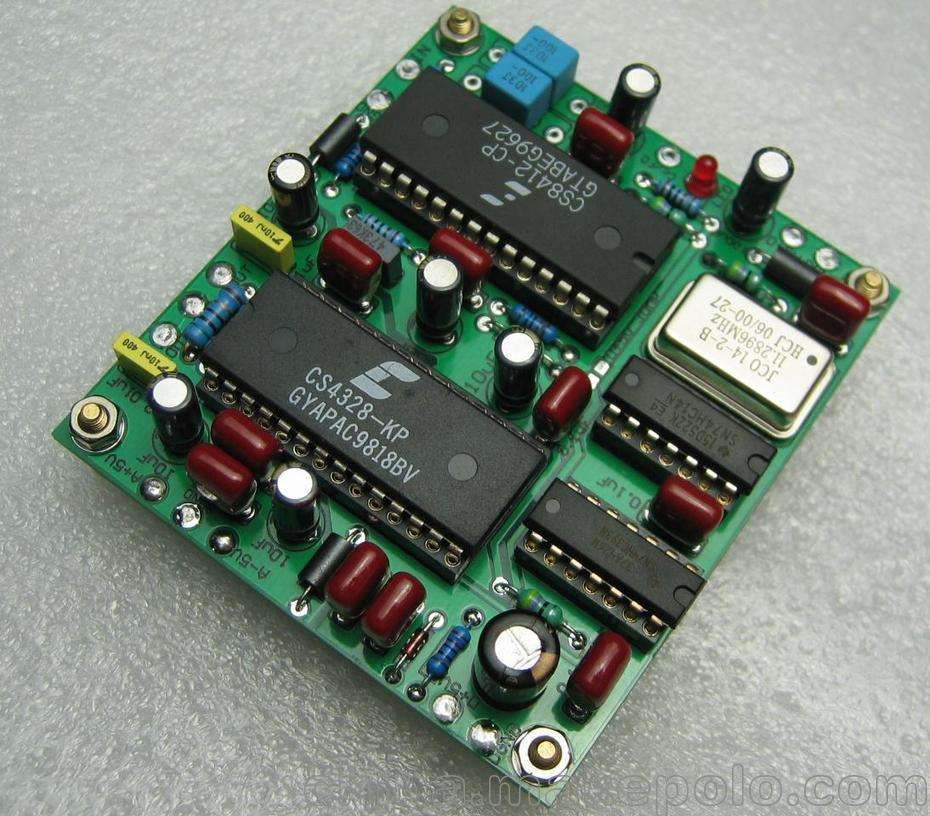
4. Thermal Effects on PCBA Functionality
4.1 Impact on Soldering and Assembly
- Reflow Soldering Challenges: Uneven heating can cause tombstoning or cold joints.
- Thermal Cycling Reliability: Repeated heating/cooling cycles may crack solder joints (e.g., in automotive or aerospace applications).
4.2 Signal Integrity and EMI
- Temperature-Dependent Resistance: Traces expand with heat, altering impedance and signal timing.
- Increased Crosstalk: Higher temperatures can exacerbate electromagnetic interference (EMI).
4.3 Component Performance Degradation
- Semiconductor Devices: MOSFETs, ICs experience reduced efficiency at high temperatures.
- Passive Components: Capacitors (especially electrolytics) lose capacitance and ESR increases.
5. Advanced Cooling Techniques
5.1 Active Cooling Solutions
- Fans and Blowers: Used in high-power systems (e.g., servers, gaming PCs).
- Liquid Cooling: Emerging in high-performance computing and electric vehicle PCBs.
5.2 Passive Cooling Solutions
- Heat Pipes: Efficiently transfer heat away from hotspots.
- Phase Change Materials (PCMs): Absorb and dissipate heat passively.
5.3 Thermal Simulation and Analysis
- Finite Element Analysis (FEA): Predicts thermal behavior before fabrication.
- Infrared Thermography: Identifies hotspots in real-world testing.
6. Case Studies
6.1 High-Power LED PCBs
- Challenge: LEDs generate significant heat, affecting luminosity and lifespan.
- Solution: Metal-core PCBs with thermal vias improve heat dissipation.
6.2 Automotive Electronics
- Challenge: Under-hood temperatures exceed 125°C.
- Solution: High-Tg materials and conformal coatings enhance reliability.

7. Future Trends in PCB Thermal Management
- Embedded Cooling Channels: Microfluidic cooling integrated into PCBs.
- Graphene-Based Substrates: Ultra-high thermal conductivity materials.
- AI-Optimized Thermal Design: Machine learning for predictive heat management.
8. Conclusion
Effective thermal management is essential for reliable PCB and PCBA performance. By optimizing material selection, layout strategies, and cooling techniques, engineers can mitigate heat-related failures and enhance product durability. As electronics continue to evolve, innovative thermal solutions will play a pivotal role in next-generation designs.