
Skip to content
Andwin Circuits
  • Home
  • ProductsExpand
    • HDI multilayer PCB
    • Rigid Flex PCB
    • Flex pcb
    • Special PCBExpand
      • High Frequency PCBExpand
        • Rogers RO4350B PCB
        • Rogers RO4003 pcb
        • Rogers RO3003 PCB
        • Rogers 5880 PCB
        • DICLAD 527 PCB
        • Taconic TLX series
        • Taconic TLX-8 RF PCB
        • Taconic TLX-9 RF PCB
      • High speed pcbExpand
        • Megtron 6 High Speed PCB
        • TU-872 SLK Sp High Speed
      • High TG PCBExpand
        • SHENGYI SH260 PCB
        • ISOLA 370HR PCB
        • ISOLA IS410 PCB
        • ISOLA IS420 PCB
      • Heavy copper PCB
      • Copper coin pcb
      • Copper inlay PCB
    • Metal Core PCBExpand
      • Copper core pcb
      • Aluminum PCB
      • 2 Layers Aluminum PCB
      • Direct thermal MCPCB
      • 2 Layers Direct Thermal
    • Ceramic PCBExpand
      • DPC ceramic PCB
      • DBC ceramic PCB
      • Thick film Ceramic PCB
      • Al2O3 Alumina PCB
      • AIN ALN ceramic PCB
      • IGBT Ceramic PCB
  • ServiceExpand
    • PCB Assembly
    • Quick turn PCB assembly
    • PCBA conformal coating
  • IndustryExpand
    • Telecommunication
    • IoT and Wireless
    • Industrial Control
    • Thermal management
    • Power and Energy
    • IC test board
    • Automative
    • Medical
  • CapabilityExpand
    • Rigid PCB
    • Rigid flex PCB
    • Metal core PCB
    • PCB Assembly
  • TechnologyExpand
    • Blogs
    • Via in pad
    • PCB E-test
    • PCB stack up
    • MCPCB panelization
    • Controlled impedance PCB
  • AboutExpand
    • About us
    • Certification
    • Factory Tour
  • Contact
Andwin Circuits
Home / Blogs / Cost Benefits to Rigid-Flex Printed Circuit Boards

Cost Benefits to Rigid-Flex Printed Circuit Boards

ByIvy May 27, 2023June 19, 2024

Similarity and Difference Between Rigid PCBs and Flex Circuits

When designing rigid PCBs, certain design rules must be followed, including minimum hole sizes, minimum space and trace width, minimum distances to board edges, and copper and overall design thicknesses.

Additionally, many manufacturing process steps are shared between rigid and flexible PCBs. Such process steps include the drilling and plating of holes and vias, photo imaging and development, the etching of copper traces, pads, outlines, and planes, and the heating (baking) of the circuit boards for the purpose of removing moisture from the PCBs.

At this point in the manufacturing process, rigid PCBs head to the solder mask station while flex circuits go to the coverlay station.
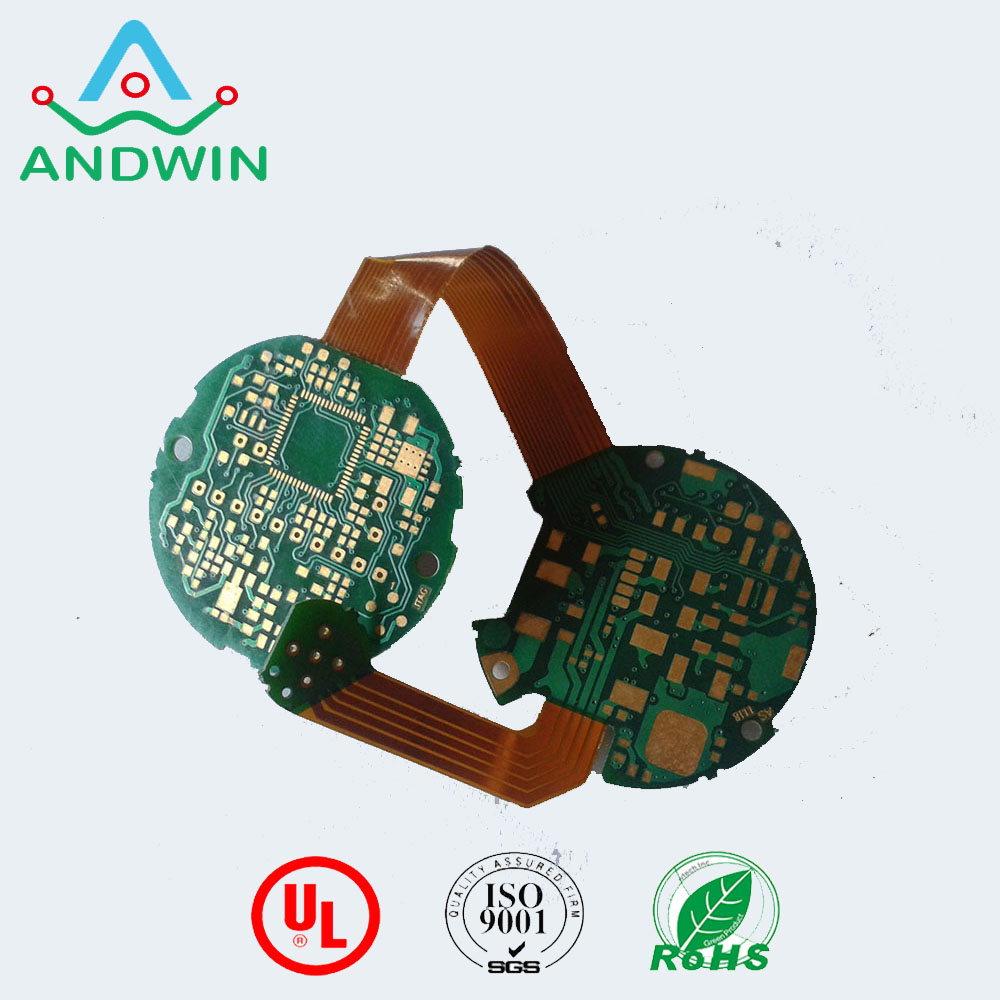
When to Use Rigid and When to Use Flexible?

Rigid PCBs typically cost less than flex circuits. I say “typically” because when considering the total cost of ownership there are some applications that, when using flexible PCBs, may be less expensive compared to using rigid PCBs.

To get a true and accurate understanding of the total cost of ownership, you first need to appreciate the fact that flex circuits may eliminate the need for components such as connectors, wire harnesses, and other circuit boards. By removing these components from a design, material cost, labor and assembly cost, and scrap cost are all reduced.

Many electronic devices (laptop and desktop computers, audio keyboards, solid-state drives (SSDs), flat-screen TVs and monitors, children’s toys, and various electronic gadgets) employ rigid PCBs instead of flexible PCBs.

However, flex circuits may be found in ultra-compact and/or high-performance devices, including GPS units, tablets, smart phones, cameras, and wearables.

Greater sophistication is not the only reason to use flex circuits; low-tech applications (such as under-the-counter LED lights, see figure below) may utilize flex circuit technology, in some cases because it makes installation much easier.
GET IN TOUCH!

Cost Benefits to Rigid-Flex Printed Circuit Boards

1.Smaller Sizes to Save on Materials
When thinking about rigid-flex circuit boards, take into consideration that these circuit boards can be designed and manufactured into much smaller overall sizes due to the elimination of additional connectors. This means that the end product doesn’t have to be designed around the circuitry. Instead, you can design the product and make the rigid-flex circuit board fit better into the smaller space.

This cost advantage is perfect for applications that come in smaller and thinner sizes, such as handheld devices. With the smaller size, the rigid-flex printed circuit board reduces the overall cost of the assembly as it doesn’t require as much materials.

2.Fewer Parts During Mass Manufacturing Runs
If the product requires multiple circuit boards, the costs increase when it comes to manufacturing rigid PCBs even though the materials may be cheaper. Why? Because with each rigid printed circuit, there will need to be connectors and cable assemblies added to connect each circuit board together, increasing costs as more and more parts are added into the assembly process.

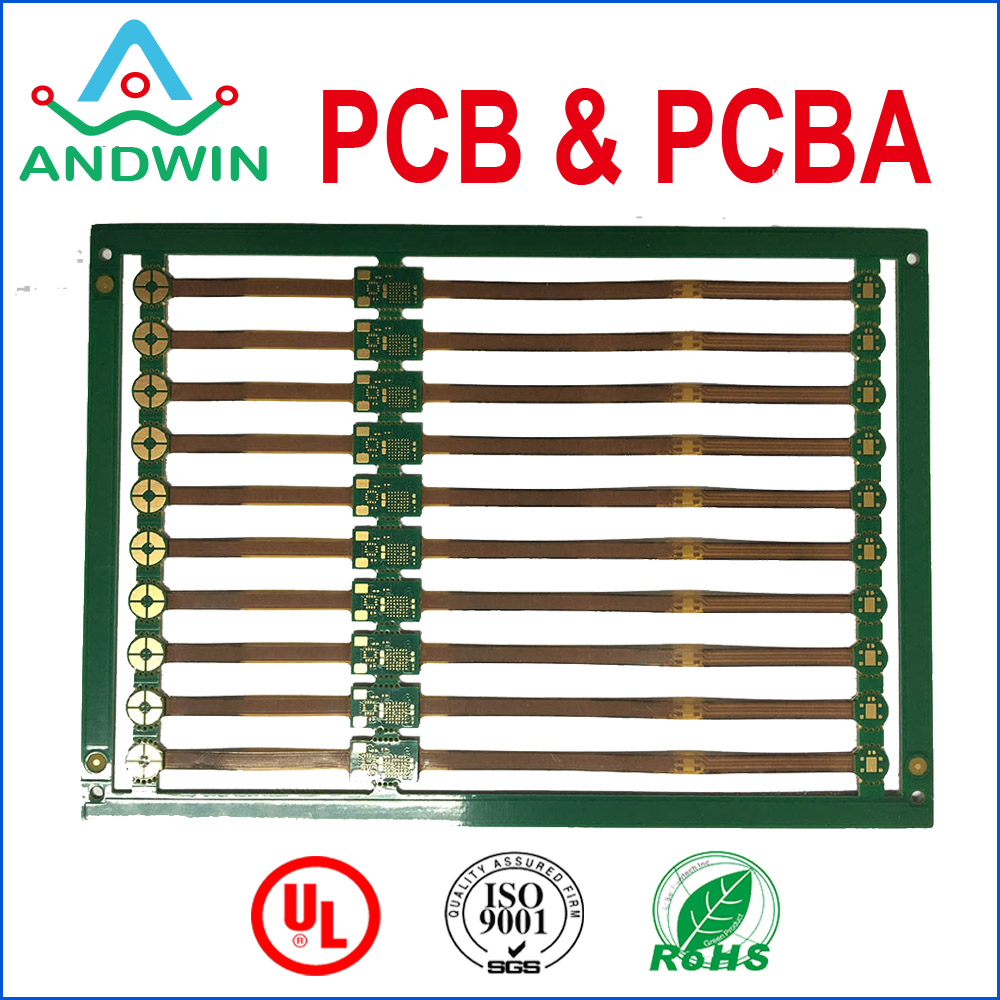
Rigid flex circuit boards streamline the process as it doesn’t need extra connectors and cables to interconnect each printed circuit board together. Instead, the additional circuitry is integrated through the flex areas into the same part. It removes the need for cable assemblies, helping to speed up long production runs and make it more cost effective. It is also more aesthetically pleasing, which can be a factor when the appearance of the application is important to investors and consumers.

GET IN TOUCH!

Post navigation

Previous Previous
What is Rigid Flex PCB?
NextContinue
Solder aluminum to pcb

Search

Search

Products

  • HDI Multilayer PCB
  • Rigid Flex PCB
  • Flex pcb
  • High Frequency PCB
  • High speed pcb
  • Heavy copper PCB
  • Metal Core PCB
  • Ceramic PCB

Address

Andwin Circuits Co.,Limited
Email: sales@andwinpcb.com
Tel: +86 755 2832 9394
Fax:+86 755 2992  6717
ADD:1-2F-1217,HouDeQun Industrial park,
NanTing RD NO.56,ShaJing,BaoAn,Shenzhen 518104,GuangDong,China

Products

  • HDI Multilayer PCB
  • Rigid Flex PCB
  • Flex pcb
  • High Frequency PCB
  • High speed pcb
  • Heavy copper PCB
  • Metal Core PCB
  • Ceramic PCB

Technology

  • Blogs
  • Via in pad
  • PCB E-test
  • PCB stack up
  • Metal core PCB panelization
  • Controlled impedance PCB

CERTIFICATION

Certification >>


Copyright© 2003 - 2026 Andwin | All Rights Reserved | Powered by Andwin

Scroll to top
  • Home
  • Products
    • HDI multilayer PCB
    • Rigid Flex PCB
    • Flex pcb
    • Special PCB
      • High Frequency PCB
        • Rogers RO4350B PCB
        • Rogers RO4003 pcb
        • Rogers RO3003 PCB
        • Rogers 5880 PCB
        • DICLAD 527 PCB
        • Taconic TLX series
        • Taconic TLX-8 RF PCB
        • Taconic TLX-9 RF PCB
      • High speed pcb
        • Megtron 6 High Speed PCB
        • TU-872 SLK Sp High Speed
      • High TG PCB
        • SHENGYI SH260 PCB
        • ISOLA 370HR PCB
        • ISOLA IS410 PCB
        • ISOLA IS420 PCB
      • Heavy copper PCB
      • Copper coin pcb
      • Copper inlay PCB
    • Metal Core PCB
      • Copper core pcb
      • Aluminum PCB
      • 2 Layers Aluminum PCB
      • Direct thermal MCPCB
      • 2 Layers Direct Thermal
    • Ceramic PCB
      • DPC ceramic PCB
      • DBC ceramic PCB
      • Thick film Ceramic PCB
      • Al2O3 Alumina PCB
      • AIN ALN ceramic PCB
      • IGBT Ceramic PCB
  • Service
    • PCB Assembly
    • Quick turn PCB assembly
    • PCBA conformal coating
  • Industry
    • Telecommunication
    • IoT and Wireless
    • Industrial Control
    • Thermal management
    • Power and Energy
    • IC test board
    • Automative
    • Medical
  • Capability
    • Rigid PCB
    • Rigid flex PCB
    • Metal core PCB
    • PCB Assembly
  • Technology
    • Blogs
    • Via in pad
    • PCB E-test
    • PCB stack up
    • MCPCB panelization
    • Controlled impedance PCB
  • About
    • About us
    • Certification
    • Factory Tour
  • Contact
Search