Blogs

  • environmental impact of pcb manufacturing

    Printed Circuit Board (PCB) manufacturing is a cornerstone of modern electronics, enabling the functionality of devices ranging from smartphones to sophisticated medical equipment.

    However, the environmental impact of PCB manufacturing is a growing concern, particularly due to the generation of toxic waste. Addressing this issue requires a multifaceted approach that encompasses technological innovation, regulatory compliance, and industry best practices.

  • Enig process pcb manufacturing

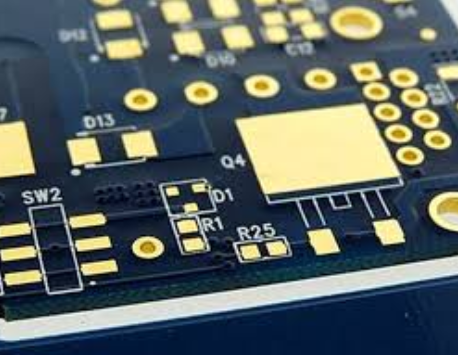
    he Electroless Nickel Immersion Gold (ENIG) process is a critical aspect of printed circuit board (PCB) manufacturing, offering a reliable and efficient method for creating high-quality, durable PCBs. This process involves the application of a thin layer of nickel followed by a layer of gold onto the copper pads of a PCB. The ENIG process is highly valued in the electronics industry due to its ability to provide excellent surface planarity, corrosion resistance, and solderability, which are essential for the performance and longevity of electronic devices.

  • Engine controller pcb assembly

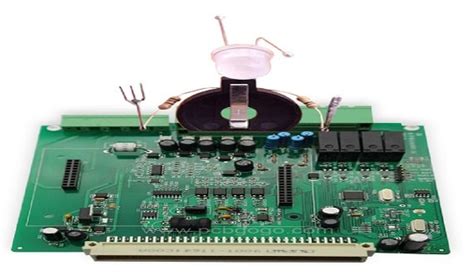
    The importance of quality control in engine controller PCB assembly cannot be overstated, as it plays a pivotal role in ensuring the reliability and performance of automotive engines. Engine controllers, often referred to as Engine Control Units (ECUs), are sophisticated electronic devices that manage various engine functions, including fuel injection, ignition timing, and emission control. The printed circuit board (PCB) within these controllers serves as the backbone, housing the intricate network of electronic components that enable the ECU to perform its critical tasks. Consequently, the assembly of these PCBs demands meticulous attention to detail and rigorous quality control measures.

  • Revolutionizing Manufacturing: The Rise of Automated Circuit Board Assembly

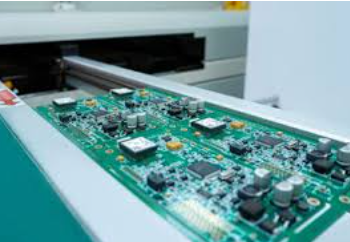
    In “Revolutionizing Manufacturing: The Rise of Automated Circuit Board Assembly,” this article explores the transformative impact of automated technologies on the production of circuit boards. Delving into advancements in robotics and artificial intelligence, it highlights how automation is streamlining processes, reducing errors, and increasing efficiency in manufacturing. As global demand for electronics surges, automated assembly offers scalable solutions to meet market needs. The piece also examines the challenges and future prospects of this innovation in circuit board production, emphasizing its importance for the electronics industry and its potential to reshape manufacturing practices for decades to come.

  • Transforming Your Ideas: The Essential Guide to Custom PCB Board Manufacturing

    Explore the dynamic world of custom PCB board manufacturing in “Transforming Your Ideas: The Essential Guide to Custom PCB Board Manufacturing.” This article delves into the pivotal role custom PCB board manufacturers play in bringing innovative ideas to life. Learn about the latest technologies, prototyping processes, and industry standards that drive quality and efficiency in PCB production. From rapid prototyping to large-scale manufacturing, discover how to navigate your project from concept to completion, ensuring you select the right partner to meet your specifications and exceed expectations in every aspect of your custom PCB development journey.

  • Embedded copper coin pcb

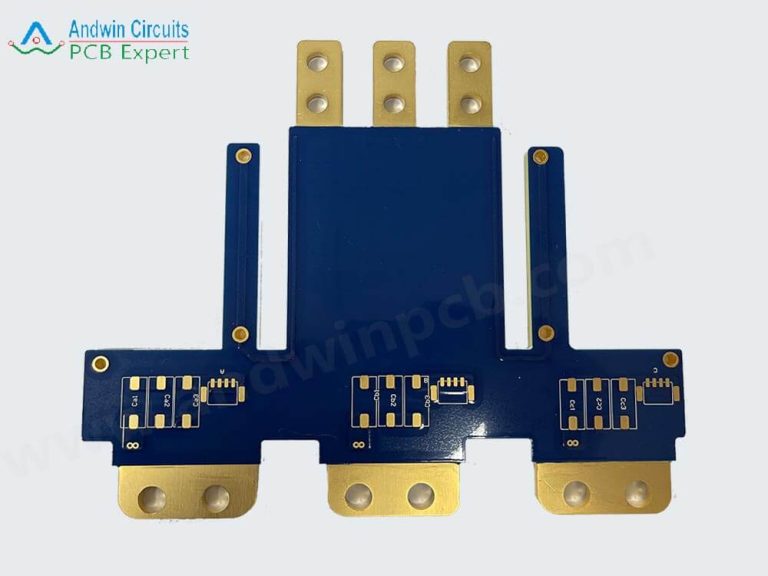
    Embedded copper coin PCBs have emerged as a pivotal innovation in the realm of high-power applications, offering a multitude of benefits that address the growing demands for efficiency, reliability, and thermal management. As electronic devices continue to evolve, the need for robust solutions that can handle increased power densities without compromising performance has become paramount. Embedded copper coin PCBs, with their unique construction and material properties, provide an effective answer to these challenges.

  • Electronics pcb manufacturing

    The field of electronics has witnessed remarkable advancements over the past few decades, and one of the pivotal areas contributing to this progress is Electronics pcb manufacturing. As the backbone of modern electronic devices, PCBs have evolved significantly, driven by the relentless pursuit of miniaturization, enhanced performance, and cost efficiency. The advances in PCB manufacturing technology have not only revolutionized the electronics industry but have also paved the way for innovative applications across various sectors.

  • Electronic pcb design

    When embarking on the journey of electronic PCB design, adhering to best practices is crucial for ensuring both functionality and reliability. The process of designing a printed circuit board (PCB) involves a series of meticulous steps, each of which plays a pivotal role in the overall performance of the final product.

    To begin with, it is essential to have a clear understanding of the circuit requirements and constraints.

    This foundational knowledge serves as the bedrock upon which the entire design is built, guiding decisions related to component placement, routing, and layer configuration.

  • Electronic pcb assembly

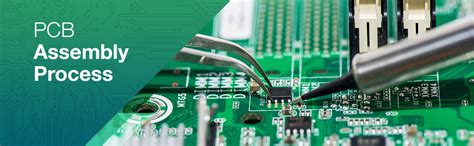
    The field of electronic PCB assembly has witnessed remarkable innovations over the past few years, driven by the relentless pursuit of efficiency, precision, and miniaturization. As technology continues to evolve, the methods and techniques used in PCB assembly have had to adapt to meet the increasing demands of modern electronic devices.

  • Dynamic flex pcb

    Dynamic flex PCB, or flexible printed circuit boards, have become increasingly integral to the advancement of modern electronics. These innovative components offer a multitude of advantages that make them indispensable in various applications, ranging from consumer electronics to industrial machinery. One of the primary benefits of dynamic flex PCBs is their inherent flexibility, which allows for more compact and versatile designs. Unlike traditional rigid PCBs, dynamic flex PCBs can be bent, folded, and twisted without compromising their functionality. This flexibility enables designers to create more intricate and space-efficient electronic devices, which is particularly valuable in the development of wearable technology, medical devices, and compact consumer electronics.

  • Unlocking Innovation: The Future of Assy PCB Technology

    In “Unlocking Innovation: The Future of Assy PCB Technology,” we explore the transformative advancements in assembly printed circuit board (Assy PCB) technology. This article delves into the latest trends, methodologies, and innovations shaping the industry, highlighting how these developments enhance performance, reduce costs, and drive sustainability. We examine the integration of automation, AI, and advanced materials in Assy PCB production and their implications for various sectors. Join us on a journey through the evolving landscape of Assy PCB technology and discover how it continues to unlock new possibilities for innovation in electronics and beyond.

  • Unlocking Innovation: The Power of Custom Made PCBs for Your Projects

    In “Unlocking Innovation: The Power of Custom Made PCBs for Your Projects,” we explore how bespoke printed circuit boards (PCBs) can revolutionize design and functionality in various applications. Custom made PCBs offer tailored solutions that meet specific project requirements, enhancing performance, reliability, and efficiency. This article delves into the benefits of utilizing custom designs, including rapid prototyping and the ability to integrate unique features that standard boards cannot accommodate. Discover how embracing custom PCBs can elevate your projects and drive innovation in technology, engineering, and product development.

  • Mastering Assembly SMT: The Future of Precision Electronics Manufacturing

    In “Mastering Assembly SMT: The Future of Precision Electronics Manufacturing,” we delve into the world of Surface Mount Technology (SMT) and its transformative impact on electronics production. This article explores the intricacies of SMT assembly processes, highlighting advancements in automation and precision that drive efficiency and reduce costs. Readers will gain insights into the latest trends, tools, and techniques shaping the future of manufacturing. By showcasing real-world applications and case studies, we reveal how mastering SMT is essential for companies aiming to remain competitive in the rapidly evolving electronics landscape.

  • Unlocking Innovation: The Power of Custom Flex PCBs in Modern Electronics

    In “Unlocking Innovation: The Power of Custom Flex PCBs in Modern Electronics,” the article explores the transformative role of custom flex printed circuit boards in today’s advanced electronic landscape. It highlights how these versatile components enhance design flexibility, reduce weight, and improve thermal management, making them essential for compact and efficient devices. By integrating custom flex PCBs, manufacturers can meet the demands of diverse applications, from consumer electronics to industrial sensors. The article emphasizes the growing significance of this technology in driving innovation and creating cutting-edge solutions that cater to evolving market needs.

  • Revolutionizing Electronics: Custom Circuit Boards LLC at the Forefront of PCB Innovation

    In “Revolutionizing Electronics: Custom Circuit Boards LLC at the Forefront of PCB Innovation,” we explore how Custom Circuit Boards LLC is transforming the landscape of printed circuit board manufacturing. With a commitment to quality and rapid turnaround times, the company offers tailored PCB solutions for diverse industries. Equipped with advanced technology and exceptional customer service, Custom Circuit Boards LLC stands out in delivering high-performance prototypes and production quantities. This article highlights their innovative approaches and reliability, showcasing their dedication to meeting the evolving demands of electronics design and manufacturing in today’s fast-paced market.