Blogs

  • Flex pcb thermal conductivity

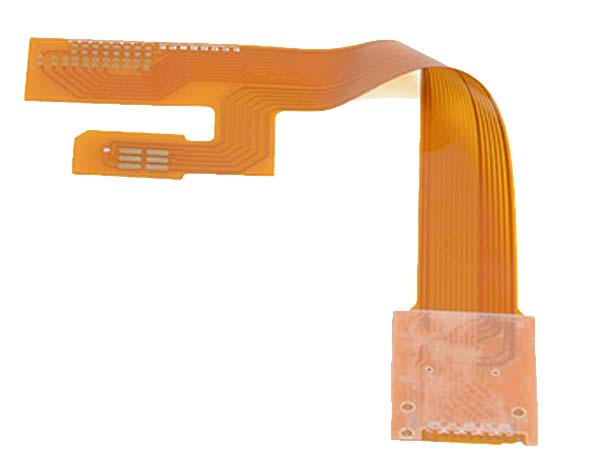
    The thermal conductivity of a flexible printed circuit board (flex PCB) depends on the materials used in its construction.The most common materials used in flex PCBs are polyimide and copper,which have thermal conductivities of approximately 0.12 W/mK and 401 W/mK, respectively. The thermal conductivity of a flex PCB can also be affected by the thickness and number…

  • Hdi flex pcb

    HDI (High Density Interconnect) flex PCBs are flexible printed circuit boards that use advanced technology to increase the density of circuitry and components on the board. HDI flex PCBs are designed to have a higher number of layers, smaller vias, and finer traces than traditional flex PCBs.This allows for more complex and compact designs, making…

  • Flex pcb edge connector

    It is designed to be mounted on the edge of the flex PCB and has a series of contacts that make contact with corresponding contacts on the other board or device.The flexibility of the PCB allows it to bend and twist without breaking,making it ideal for applications where space is limited or where the PCB…

  • Flex pcb germany

    Some of the top companies include: 1. Würth Elektronik – a leading manufacturer of flex PCBs with a wide range of products and services. 2. Fuba Printed Circuits – specializes in flexible and rigid-flex PCBs for various industries. 3. Multek – a global leader in the design and manufacture of flex and rigid-flex PCBs. 4….

  • Flex pcb bonding

    This is typically done using an adhesive material that is applied to the surface of the flex PCB and then bonded to the substrate or other PCB. There are several different types of adhesive materials that can be used for flex PCB bonding, including pressure-sensitive adhesives (PSAs), heat-activated adhesives, and epoxy adhesives.The choice of adhesive…

  • PTC heater high temperature ceramic material

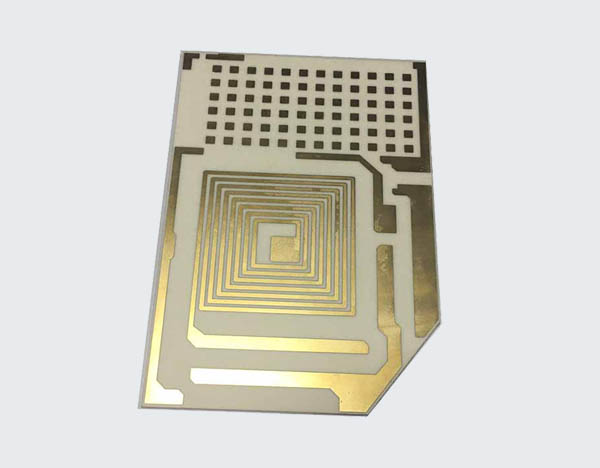
    We are writing to you today to discuss the topic of ceramic PCB temperature. As you may know, ceramic PCBs are a popular choice for many electronic applications due to their high thermal conductivity and excellent electrical properties. However, it is important to understand the impact that temperature can have on these boards in order to ensure…

  • Flex pcb copper thickness

    The most common copper thicknesses for flex PCBs are 0.5 oz (17.5 μm), 1 oz (35 μm), and 2 oz (70 μm).However, other thicknesses are also available depending on the manufacturer’s capability and the customer’s needs.The copper thickness of a flex PCB affects its electrical performance, thermal dissipation, and mechanical flexibility.Thicker copper layers can handle…

  • Alumina Ceramic PCB Circuit Board with Fast PCB Suppliers

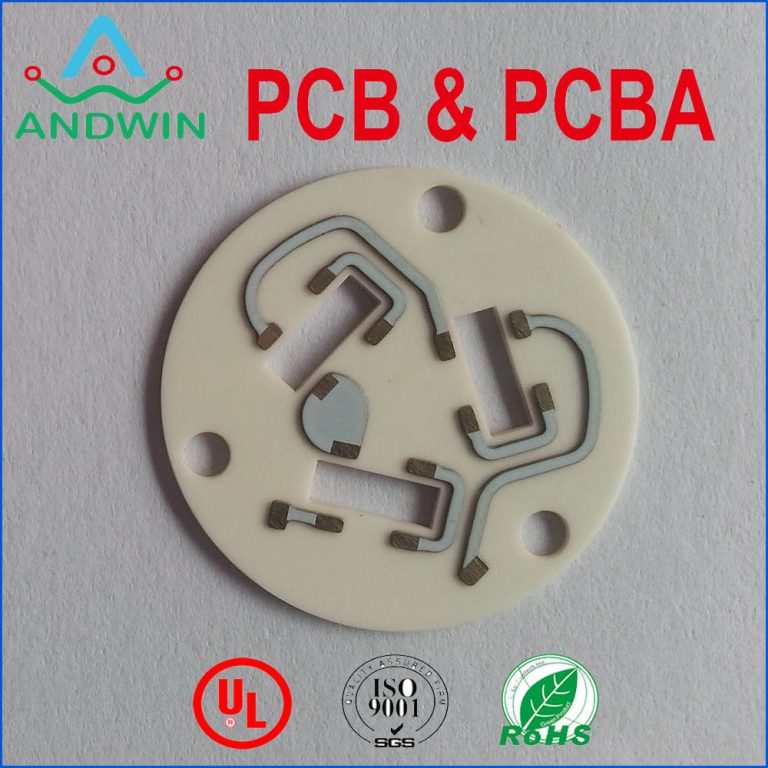
    I am writing to you today to discuss the importance of alumina ceramic PCB suppliers and the role they play in the electronics industry. As you may know, alumina ceramic is a highly durable and heat-resistant material that is commonly used in the production of printed circuit boards (PCBs). These PCBs are essential components in…

  • Rigid Flex PCB Gerber

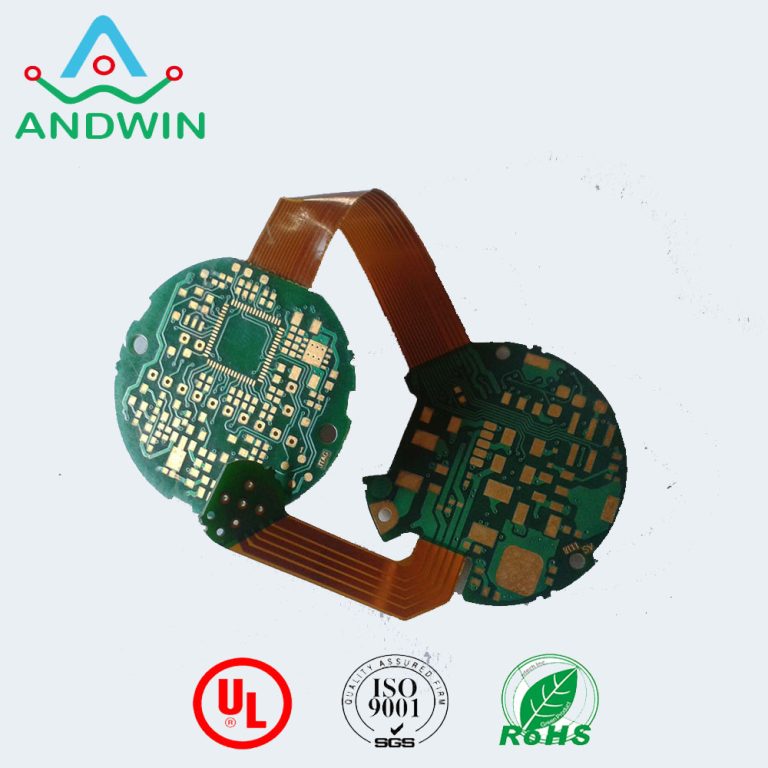
    Rigid flex PCBs are a type of printed circuit board that combines the benefits of both rigid and flexible PCBs. These boards are commonly used in applications where space is limited and where the board needs to be able to bend or flex. Rigid flex PCBs are made up of multiple layers of flexible and rigid materials…

  • Rigid Flex PCB Construction

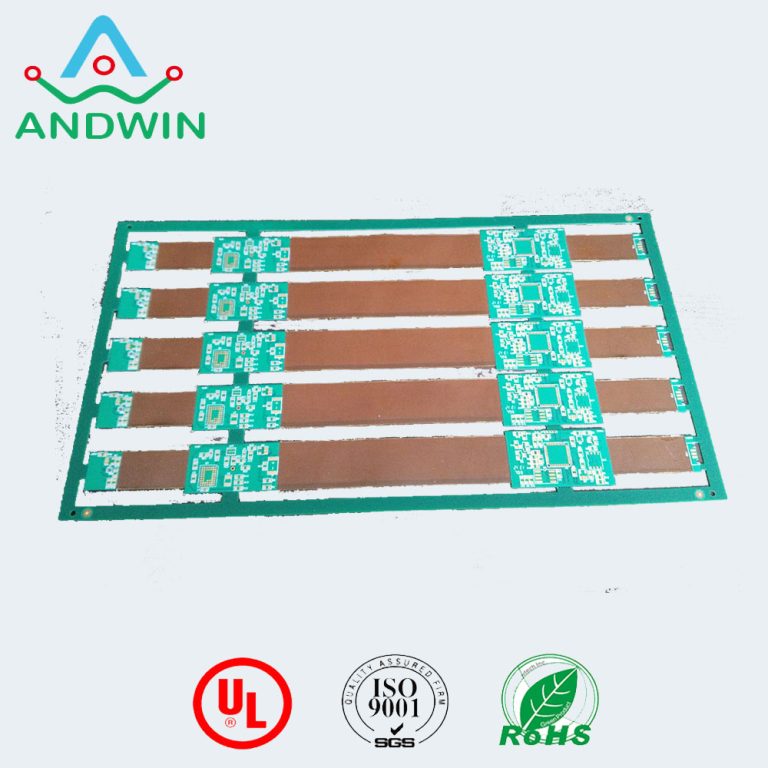
    Rigid-flex PCB construction is an innovative technology that combines the benefits of rigid and flexible PCBs. These PCBs are designed to provide the best of both worlds, offering the flexibility of a flexible PCB with the rigidity of a rigid PCB. This technology has become increasingly popular in recent years due to its numerous advantages…

  • Flex pcb baking

    The role of flex PCB baking is to remove any moisture that may have accumulated during the manufacturing process. Flex PCBs are made of flexible materials that are susceptible to absorbing moisture, which can cause delamination, cracking, or other defects in the PCB. Moisture can also affect the electrical properties of the PCB, leading to…

  • How to design a flex pcb

    1. Determine the requirements: The first step is to determine the requirements of the flex PCB, including the size, shape, number of layers, and the type of components to be used. 2. Choose the software: Choose a PCB design software that supports flex PCB design, such as Altium Designer, Eagle PCB, or KiCAD. 3. Create…

  • Flex pcb assembly process

    1. Solder paste application: Solder paste is applied to the pads on the flex PCB using a stencil or screen printing process. 2. Pick and place: Surface mount components are picked and placed on the solder paste using automated equipment. 3. Reflow soldering: The flex PCB with components is passed through a reflow oven where…

  • Flex pcb delamination

    Flex PCB delamination is a common problem that occurs when the layers of a flexible printed circuit board (PCB) separate from each other. This can happen due to a variety of reasons, including: 1. Poor adhesion: If the adhesive used to bond the layers of the flex PCB is not strong enough, delamination can occur. 2. Moisture:…

  • Flex pcb guidelines

    1. Design for Flexibility: Flex PCBs are designed to bend and twist, so make sure your design allows for flexibility. 2. Keep the Trace Widths and Spacing Consistent: Consistent trace widths and spacing will ensure that your PCB is reliable and performs as expected. 3. Use Rounded Corners: Rounded corners help to prevent stress points…