Blogs

Blogs

  • Revving Up Innovation: The Future of Automotive PCB Assembly

    In “Revving Up Innovation: The Future of Automotive PCB Assembly,” we explore the transformative advancements in printed circuit board (PCB) technology that are reshaping the automotive industry. This article delves into the critical role of automotive PCB assembly in the development of electric vehicles, autonomous systems, and smart electronics. Readers will discover how innovative materials and manufacturing processes are enhancing performance, reliability, and efficiency. With insights into emerging trends and challenges, this piece highlights the importance of automotive PCB assembly as a key driver of innovation in a rapidly evolving market.
  • Revolutionizing Electronics: The Future of Automated PCB Manufacturing

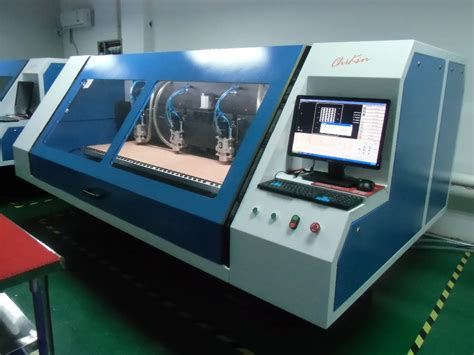
    Explore the transformative landscape of electronics in “Revolutionizing Electronics: The Future of Automated PCB Manufacturing.” This article delves into the cutting-edge technologies driving automated printed circuit board (PCB) manufacturing, highlighting advancements that enhance precision, efficiency, and scalability. Discover how automation is reshaping production processes, reducing costs, and increasing turnaround times while maintaining stringent quality standards. As industries embrace these innovations, learn about the potential implications for design flexibility and sustainability in electronic manufacturing. Join us as we examine the future of a pivotal sector that powers modern technology.

  • challenges of high speed pcb design

    When diving into the world of high speed PCB design, one of the most significant challenges you’ll encounter is maintaining signal integrity. As data rates climb and circuits become more complex, ensuring that signals travel from point A to point B without distortion or loss becomes increasingly tricky. This is where signal integrity issues come into play, and they can be a real headache if not addressed properly.

  • ceramic substrate for pcb

    When it comes to designing printed circuit boards (PCBs), the choice of substrate material can make a world of difference. While traditional materials like FR4 have been the go-to for many years, ceramic substrates are increasingly gaining traction. So, why are more and more engineers and designers opting for ceramic substrates in PCB design? Let’s dive into the advantages and see what all the buzz is about.

  • ceramic rf pcb

    When it comes to high-frequency applications, the choice of materials for printed circuit boards (PCBs) can make a world of difference. One material that has been gaining traction in this realm is ceramic. Ceramic RF PCBs, or radio frequency printed circuit boards, offer a plethora of advantages that make them particularly well-suited for high-frequency applications. Let’s dive into why these ceramic-based boards are becoming the go-to option for engineers and designers alike.

  • ceramic pcb soldering

    ceramic PCB Soldering can be a bit of a challenge, but with the right techniques, it’s totally doable. Ceramic PCBs, known for their excellent thermal conductivity and electrical insulation, are increasingly popular in high-power and high-frequency applications. However, their unique properties also mean that traditional soldering methods might not always work. So, let’s dive into some effective techniques for soldering ceramic PCBs.

  • Ceramic pcb prototype

    When it comes to high-frequency applications, the choice of materials can make or break the performance of your electronic devices.

    One material that’s been gaining a lot of traction lately is ceramic, particularly in the form of ceramic PCB prototypes. You might be wondering why ceramic is becoming the go-to material for these applications. Well, let’s dive into the advantages and see why ceramic PCB prototypes are making waves in the tech world.

  • Ceramic pcb multilayer

    When it comes to high-frequency applications, the choice of materials can make a world of difference. One of the standout options in this realm is ceramic PCB multilayer technology. You might be wondering, why ceramic? Well, let’s dive into the advantages and see why this material is gaining traction in the tech world.

  • Ceramic pcb manufacturing process

    If you’ve ever wondered how the tech behind your gadgets stays cool and efficient, you might want to take a closer look at ceramic PCBs. These little wonders are the unsung heroes in the world of electronics, especially when it comes to high-power applications. So, let’s dive into the fascinating process of ceramic PCB manufacturing and see what makes them so special.

  • Revolutionizing Production: The Future of Automated Electronics Assembly

    “Revolutionizing Production: The Future of Automated Electronics Assembly” explores the transformative impact of advanced automation technologies on the manufacturing industry. The article delves into how innovative machinery and software are driving efficiencies, reducing errors, and increasing production speeds in electronics assembly processes. It highlights key trends, cutting-edge developments, and the potential for future growth, offering insights into how businesses can leverage these advancements to stay competitive.

  • Ceramic pcb laminates

    When it comes to high-frequency applications, the choice of materials can make or break the performance of your electronic devices. One material that has been gaining traction in this field is ceramic PCB laminates. These laminates offer a plethora of advantages that make them particularly well-suited for high-frequency applications, and today, we’re going to dive into why that is.

  • Ceramic pcb fabrication

    When it comes to the world of printed circuit boards (PCBs), the choice of materials can make a significant difference in performance, durability, and overall efficiency. While traditional PCBs, typically made from materials like FR4, have been the industry standard for years, ceramic PCBs are increasingly gaining traction. So, what makes ceramic PCB fabrication stand out from the crowd? Let’s dive into the advantages that ceramic PCBs offer over their traditional counterparts.

  • Ceramic pcb design rules

    When diving into the world of ceramic PCB design, one of the most critical aspects to consider is the trace width. This might sound like a minor detail, but trust me, it can make or break your entire project. So, let’s chat about why trace width is so important and what you need to keep in mind to get it just right.