uncategories

  • Ceramic pcb manufacturing process

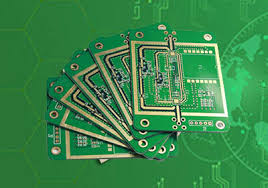
    If you’ve ever wondered how the tech behind your gadgets stays cool and efficient, you might want to take a closer look at ceramic PCBs. These little wonders are the unsung heroes in the world of electronics, especially when it comes to high-power applications. So, let’s dive into the fascinating process of ceramic PCB manufacturing and see what makes them so special.

  • Ceramic pcb laminates

    When it comes to high-frequency applications, the choice of materials can make or break the performance of your electronic devices. One material that has been gaining traction in this field is ceramic PCB laminates. These laminates offer a plethora of advantages that make them particularly well-suited for high-frequency applications, and today, we’re going to dive into why that is.

  • Best circuit board

    When embarking on DIY electronics projects, selecting the right circuit board is crucial for both the functionality and success of your endeavor.

    The market offers a plethora of options, each with unique features and benefits tailored to various applications. To assist you in making an informed decision, we have compiled a list of the top 10 circuit boards that stand out for their quality, versatility, and ease of use.

  • bergquist metal core pcb

    Bergquist Metal Core PCBs (Printed Circuit Boards) have emerged as a pivotal innovation in the realm of high-power applications, offering a multitude of advantages that make them indispensable in various industries.

    These PCBs are specifically designed to manage and dissipate heat more effectively than traditional FR4 boards, which is crucial in high-power environments where thermal management is a significant concern. The unique construction of Bergquist Metal Core PCBs, which typically includes a metal substrate, a thermally conductive dielectric layer, and a copper circuit layer, provides a robust solution to the challenges posed by high-power applications.
  • base materials for high speed high frequency pcb boards

    When designing high-speed, high-frequency printed circuit boards (PCBs), the selection of dielectric materials is a critical factor that significantly influences the performance and reliability of the final product.

    The dielectric material, which serves as an insulating layer between conductive traces, plays a pivotal role in determining the signal integrity, impedance control, and overall electrical performance of the PCB.

    As the demand for faster data transmission and higher operational frequencies continues to grow, engineers must carefully evaluate the properties of various dielectric materials to ensure optimal functionality.

  • altium flex pcb example

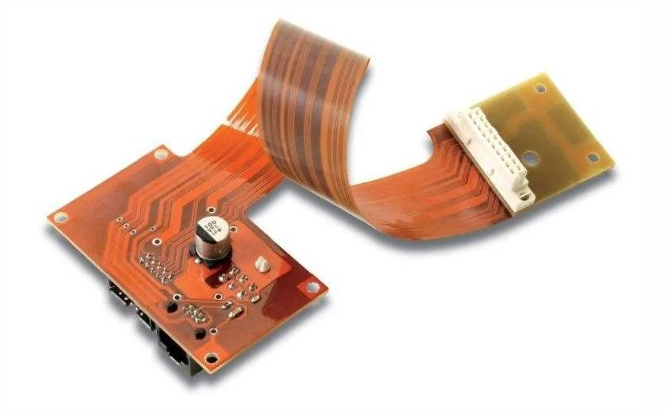
    In modern electronic design, flexible printed circuit boards (Flex PCBs) are increasingly favored by designers due to their unique advantages, such as lightness, bendability, and high-density wiring. As a powerful electronic design automation (EDA) tool, Altium Designer provides comprehensive support for Flex PCB design. This article will introduce the basic steps for Flex PCB design in Altium Designer to help designers better master this technology.

  • |

    Allegro pcb high-speed option

    Basic settings and optimization techniques for Allegro PCB high-speed options In modern electronic design, as signal frequency continues to increase, high-speed circuit design becomes increasingly important. As a powerful circuit design software, Allegro PCB’s high-speed options provide designers with a wealth of tools and settings to ensure signal integrity and system performance. This article will…

  • Aerospace high speed pcb design

    Signal integrity issues and solutions in high-speed PCB designIn high-speed PCB design, signal integrity issues are a challenge that cannot be ignored. As the frequency and speed of electronic devices continue to increase, signal integrity issues have become more prominent. Signal integrity issues mainly include signal reflection, crosstalk, timing error, and electromagnetic interference. These problems…

  • Advantages of multilayer pcb

    Multilayer printed circuit boards (PCBs) play a crucial role in modern electronic devices, and their high-density wiring advantages are particularly significant. First, multi-layer PCBs can accommodate more circuits and components in a limited space, which is crucial for today’s electronic products that pursue miniaturization and high performance. By increasing the number of layers, designers can…

  • 9 pin pcb connector

    Application and Selection Guide of 9 Pin PCB Connectors 9 Pin PCB connectors play a vital role in modern electronic devices. They are widely used in various fields, including consumer electronics, industrial automation, communication equipment, and medical devices. Its main function is to achieve electrical connection between circuit boards and ensure stable transmission of signals…

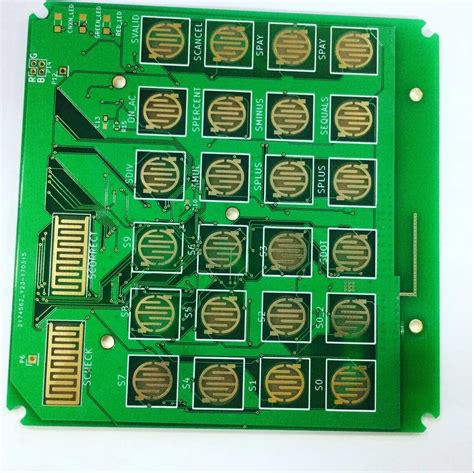
  • 9 key pcb

    Design and production guide for 9-key PCB. When designing and making 9 key PCB, you first need to clarify its application scenarios and functional requirements. 9 key PCBs are usually used in small keyboards, control panels, or other electronic devices that require a small number of keys. Understanding these requirements helps determine circuit design, component…