
1.what is HDI pcb
HDI is the abbreviation of High Density Interconnector.
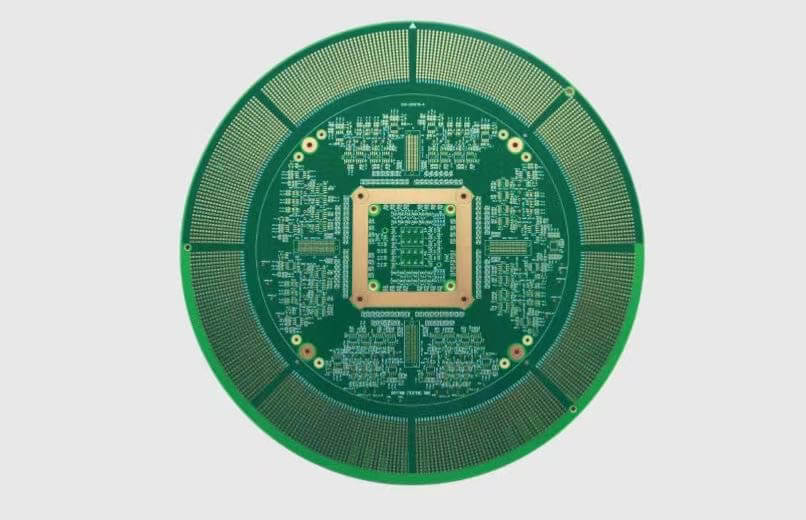
High-density interconnect (HDI) manufacturing type printed circuit board, printed circuit board is a structural component formed by insulating materials supplemented with conductor wiring.
When the printed circuit board is made into a final product, integrated circuits, transistors (transistors, diodes), passive components (such as resistors, capacitors, connectors, etc.) and various other electronic parts will be installed on it.
With the help of wires, electronic signal connections and functions can be formed. Therefore, the printed circuit board is a platform that provides component connections and is used to receive the base of the connecting parts.
2.Manufacturing process and application fields of HDI multilayer PCB
Manufacturing process and application fields of HDI multilayer PCB are an indispensable part of modern electronic engineering.
HDI (high density interconnect) multilayer PCB is an advanced printed circuit board technology designed to meet the needs of increasingly complex and miniaturized electronic devices. Its manufacturing process involves multiple key steps, each of which requires highly precise and professional technical support.
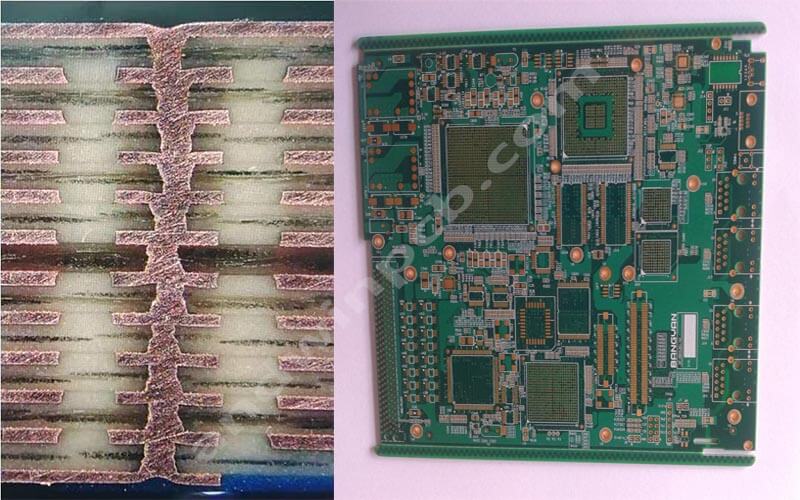
HDI multilayer PCB
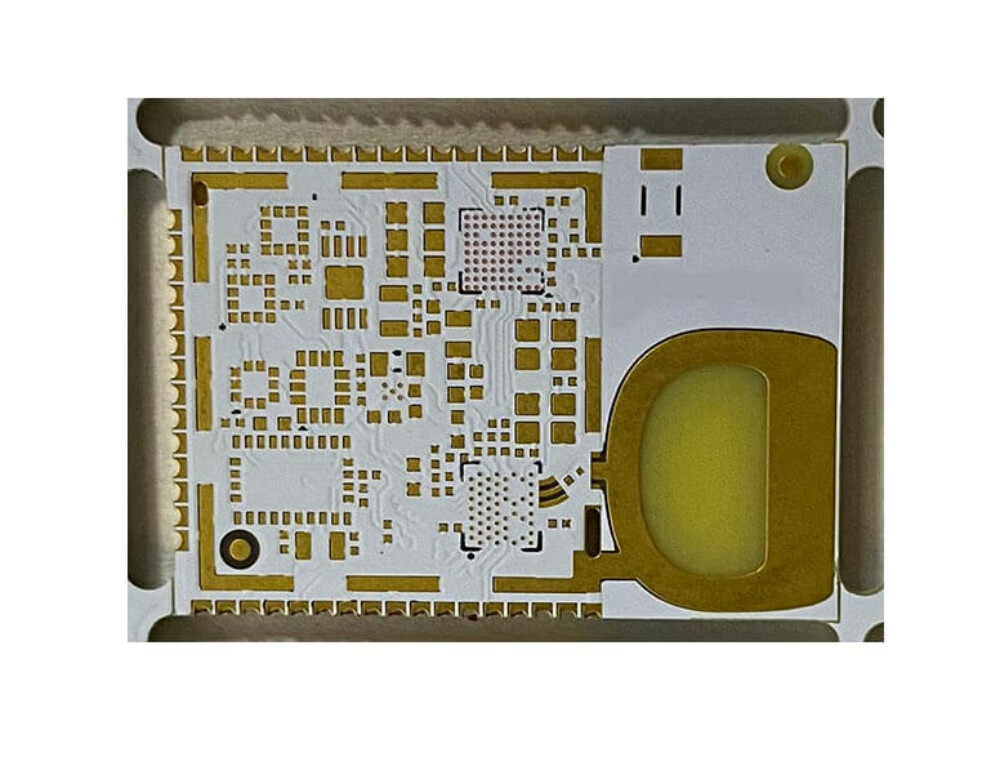
First, the manufacturing of HDI multilayer PCB begins with the design stage. Design engineers use computer-aided design (CAD) software to create detailed circuit diagrams and layouts. These design files are then converted into manufacturing files to guide the subsequent production process. Next, the manufacturer selects a suitable substrate, usually FR4 or other high-performance materials, to ensure the stability and reliability of the circuit board.
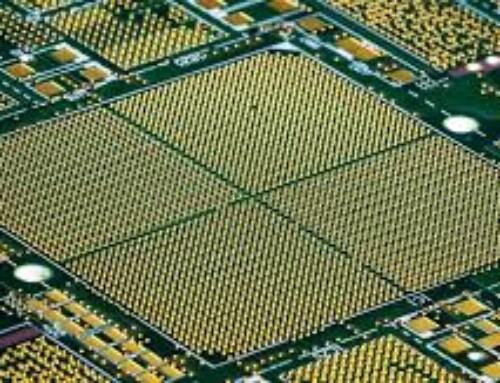
After the substrate is ready, the manufacturing process enters the drilling and plating stage. HDI multilayer PCBs usually use laser drilling technology to achieve tiny apertures and high precision. These microvias (vias) are the core of HDI technology, allowing higher circuit density and more complex interconnect structures. Subsequently, through the electroplating process, these microvias are filled with conductive materials to ensure the smooth transmission of electrical signals.
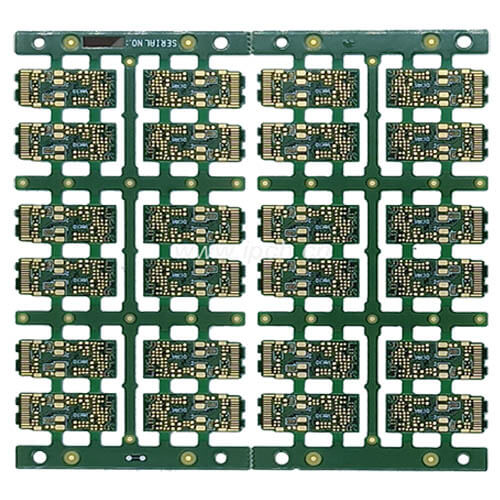
Next, the etching of the circuit pattern is a key step. Through photolithography and chemical etching processes, the circuit pattern is accurately transferred to the substrate. This process requires highly precise control to ensure that the width and spacing of each circuit path meet the design requirements. Then, the lamination process presses multiple circuit layers together to form a multi-layer structure. Each layer is pre-impregnated with resin and treated with high temperature and high pressure to ensure the strong bonding and electrical performance between the layers.

After the lamination is completed, the HDI multi-layer PCB also needs surface treatment, such as gold plating or tin plating, to improve the welding performance and anti-oxidation ability. Finally, the circuit board undergoes rigorous testing and quality control to ensure that it meets the design specifications and performance requirements.
Metal core PCB
Get professional one stop PCB solution from us!
The application fields of HDI multi-layer PCBs

Contact us for your quote now!
Please send email: sales@andwinpcb.com ( priority ) with your PCB Gerber file Or/and BOM file to us,
Our teams will quote for you as soon as possible.
Or submit follow form our team will contact you soon.