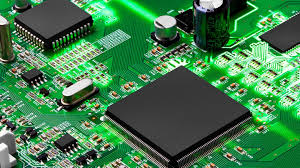
custom printed circuit board design
1. Key steps and considerations in custom printed circuit board design.
Custom printed circuit board (PCB) design is a key link in the development of modern electronic products. First of all, understanding customer needs is the starting point of design. Customer needs determine the function, size, shape and other specific requirements of the PCB. Through detailed demand analysis, designers can clarify design goals and ensure that the final product meets customer expectations.
(1) Schematic design
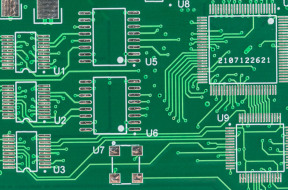
Next, schematic design is the basis of PCB design. The schematic shows the logical connection and functional modules of the circuit. Designers need to select appropriate electronic components and ensure that they are properly connected in the circuit. Accuracy at this stage is crucial because any error may lead to failure in subsequent steps.
(2) Layout design
After completing the schematic design, layout design is the next key step. Layout design involves placing the components in the schematic on the PCB and designing the routing of the circuit board. Designers need to consider factors such as signal integrity, power distribution and thermal management. Reasonable layout design can not only improve circuit performance, but also reduce electromagnetic interference and signal loss.
(3) Selecting the right material and manufacturing process
In addition, selecting the right material and manufacturing process is also an important link in custom PCB design. Different application scenarios have different requirements for PCB materials. For example, high-frequency circuits require low-loss materials, while high-power circuits require good heat dissipation performance. The choice of manufacturing process is equally important, which directly affects the quality and cost of PCBs.
(4) Simulation and verification
After the design is completed, simulation and verification are necessary steps to ensure that the PCB functions properly. Through simulation software, designers can simulate the working state of the circuit, find potential problems and optimize them. Actual circuit board testing can verify the feasibility and reliability of the design. Any problems found need to be corrected in time to avoid failures in mass production.
(5) Production and assembly
Finally, production and assembly are the process of transforming the design into an actual product. At this stage, designers need to work closely with manufacturers to ensure that the production process meets the design specifications. During the assembly process, the soldering quality of components and the cleanliness of the circuit board are both important factors that affect the performance of the final product.
In short, custom printed circuit board design is a complex and delicate process. Each step requires a high degree of expertise and a meticulous work attitude. Only through rigorous demand analysis, precise schematic design, reasonable layout, appropriate material selection, comprehensive simulation verification, and precise production and assembly can the high quality and high performance of the final product be ensured. Only in this way can we meet customer needs and stand out in the fierce market competition.
2. Advantages of customized circuit boards
Customized circuit boards play a vital role in modern electronic engineering, and their advantages and wide range of applications make them the first choice in many industries.
(1) High degree of flexibility and adaptability
First, the main advantage of custom circuit boards is their high degree of flexibility and adaptability. Unlike standardized circuit boards, custom circuit boards can be designed and manufactured to specific needs and specifications. This flexibility allows engineers to optimize board layout and functionality, thereby improving device performance and reliability.
(2) Customized circuit boards can also significantly reduce the size and weight of products
In addition, custom circuit boards can significantly reduce the size and weight of the product. In many applications, especially portable electronics and embedded systems, space and weight are critical factors. With custom designs, boards can be precisely cut and configured to fit specific space constraints. This not only helps reduce the weight of the device but also improves its portability and user experience.
(3) Customized circuit boards also provide higher integration and functionality
At the same time, custom circuit boards also provide greater integration and functionality. By integrating multiple functional modules onto one circuit board, the number of connecting wires and interfaces can be reduced, thereby reducing failure rates and maintenance costs. This highly integrated design is particularly important in complex systems, such as in communications equipment, medical equipment, and aerospace, where custom circuit boards can ensure system stability and reliability.
(4) Control costs
Looking further, customized circuit boards also have significant advantages in cost control. Although initial design and development may require higher investment, in mass production, custom circuit boards can reduce unit costs by optimizing materials and manufacturing processes. In addition, the efficient performance and low failure rate of customized circuit boards can also reduce later maintenance and replacement costs, thereby achieving overall cost savings.
3.Application areas of customized circuit boards
In terms of application fields, custom circuit boards cover almost all modern electronic devices and systems.
First, in the field of consumer electronics, products such as smartphones, tablets, and wearable devices rely on custom circuit boards for high performance and miniaturization.
Secondly, in industrial automation and control systems, customized circuit boards can provide precise control and monitoring functions to ensure the efficiency and safety of the production process. Additionally, in medical devices, the high reliability and accuracy of custom circuit boards are critical to the performance of diagnostic and therapeutic devices. Finally, in the fields of automotive electronics and aerospace, the high durability and anti-interference capabilities of customized circuit boards can meet harsh environmental requirements and ensure stable operation of the system.
To sum up, custom circuit boards have become an indispensable part of modern electronic engineering due to their flexibility, high integration, cost-effectiveness and wide range of applications. Whether in the fields of consumer electronics, industrial automation, medical equipment or automotive electronics and aerospace, custom circuit boards have demonstrated their unique advantages and importance. Through continuous innovation and optimization, custom circuit boards will continue to promote the development and progress of various industries.