
Skip to content
Andwin Circuits
  • Home
  • ProductsExpand
    • HDI multilayer PCB
    • Rigid Flex PCB
    • Flex pcb
    • Special PCBExpand
      • High Frequency PCBExpand
        • Rogers RO4350B PCB
        • Rogers RO4003 pcb
        • Rogers RO3003 PCB
        • Rogers 5880 PCB
        • DICLAD 527 PCB
        • Taconic TLX series
        • Taconic TLX-8 RF PCB
        • Taconic TLX-9 RF PCB
      • High speed pcbExpand
        • Megtron 6 High Speed PCB
        • TU-872 SLK Sp High Speed
      • High TG PCBExpand
        • SHENGYI SH260 PCB
        • ISOLA 370HR PCB
        • ISOLA IS410 PCB
        • ISOLA IS420 PCB
      • Heavy copper PCB
      • Copper coin pcb
      • Copper inlay PCB
    • Metal Core PCBExpand
      • Copper core pcb
      • Aluminum PCB
      • 2 Layers Aluminum PCB
      • Direct thermal MCPCB
      • 2 Layers Direct Thermal
    • Ceramic PCBExpand
      • DPC ceramic PCB
      • DBC ceramic PCB
      • Thick film Ceramic PCB
      • Al2O3 Alumina PCB
      • AIN ALN ceramic PCB
      • IGBT Ceramic PCB
  • ServiceExpand
    • PCB Assembly
    • Quick turn PCB assembly
    • PCBA conformal coating
  • IndustryExpand
    • Telecommunication
    • IoT and Wireless
    • Industrial Control
    • Thermal management
    • Power and Energy
    • IC test board
    • Automative
    • Medical
  • CapabilityExpand
    • Rigid PCB
    • Rigid flex PCB
    • Metal core PCB
    • PCB Assembly
  • TechnologyExpand
    • Blogs
    • Via in pad
    • PCB E-test
    • PCB stack up
    • MCPCB panelization
    • Controlled impedance PCB
  • AboutExpand
    • About us
    • Certification
    • Factory Tour
  • Contact
Andwin Circuits
Home / Blogs / diy metal core pcb

diy metal core pcb

ByAlice May 31, 2023June 18, 2024

When it comes to designing and fabricating printed circuit boards (PCBs), there are several
options available. One of the popular choices is metal core PCBs, which are also known as
MCPCBs. These PCBs are ideal for high-power LED applications, power supplies, and other
electronic devices that require efficient heat dissipation. In this article, we will
discuss the basics of DIY metal core PCBs and the steps involved in making one.

What is a Metal Core PCB?

A metal core PCB is a type of PCB that has a metal core layer instead of a traditional FR4
layer. The metal core layer is usually made of aluminum, copper, or a combination of both.
The metal core acts as a heat sink, which helps to dissipate heat generated by high-power
components on the PCB. This makes metal core PCBs ideal for applications that require
efficient heat dissipation.
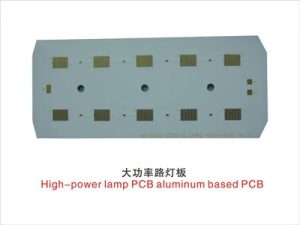
aluminum core pcb

Advantages of Metal Core PCBs

There are several advantages of using metal core PCBs over traditional FR4 PCBs. Some of
these advantages include:

1. Better heat dissipation: Metal core PCBs have a metal core layer that acts as a heat
sink, which helps to dissipate heat generated by high-power components on the PCB. This
makes metal core PCBs ideal for applications that require efficient heat dissipation.

2. Higher thermal conductivity: The metal core layer of metal core PCBs has a higher
thermal conductivity than traditional FR4 PCBs. This means that heat is transferred more
efficiently from the components to the metal core layer.

3. Improved reliability: Metal core PCBs are more reliable than traditional FR4 PCBs,
especially in high-temperature environments. This is because the metal core layer helps to
reduce the thermal stress on the PCB.

4. Better mechanical stability: Metal core PCBs have better mechanical stability than
traditional FR4 PCBs. This is because the metal core layer provides additional rigidity to
the PCB.
GET IN TOUCH!

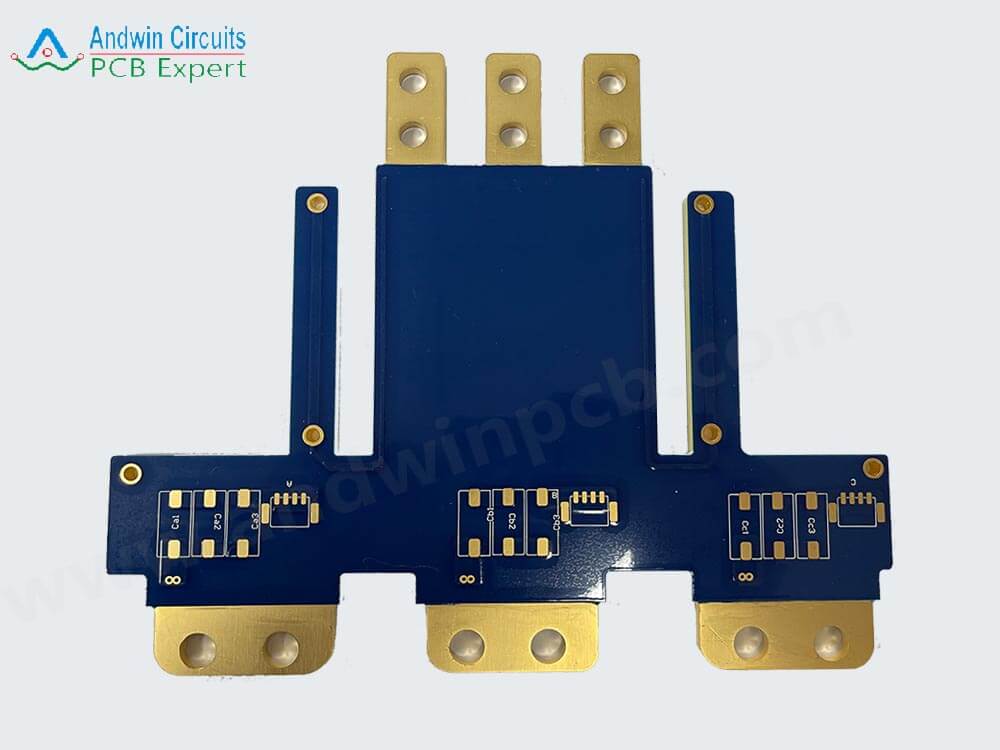
copper coin pcb

Steps to Make a DIY Metal Core PCB

Making a DIY metal core PCB is not as difficult as it may seem. Here are the steps involved
in making a DIY metal core PCB:

Step 1: Design the PCB

The first step in making a DIY metal core PCB is to design the PCB using a PCB design
software such as Eagle PCB or Altium Designer. Make sure to include a metal core layer in
the design.

Step 2: Print the PCB layout

Once the PCB design is complete, print the PCB layout onto a transparency film using a
laser printer. Make sure to print the layout in mirror image.

Step 3: Transfer the layout onto the metal core

Next, transfer the layout onto the metal core using a heat transfer method. This involves
placing the transparency film onto the metal core and using a laminator or iron to transfer
the toner onto the metal core.

Step 4: Etch the PCB

Once the toner has been transferred onto the metal core, etch the PCB using an etching
solution such as ferric chloride. This will remove the unwanted copper from the metal core,
leaving behind the PCB traces.

Step 5: Drill the PCB

After etching the PCB, drill the necessary holes for the components using a drill press or
hand drill.

Step 6: Solder the components

Finally, solder the components onto the PCB using a soldering iron and solder wire. Make
sure to use a heat sink for high-power components to ensure efficient heat dissipation.

Conclusion

Metal core PCBs are an excellent choice for high-power electronic applications that require
efficient heat dissipation. Making a DIY metal core PCB is not as difficult as it may seem,
and the steps involved are similar to those used in making traditional FR4 PCBs. With a
little bit of practice, anyone can make a DIY metal core PCB.

GET IN TOUCH!

Post navigation

Previous Previous
metal core pcb technology
NextContinue
Rogers 5880 dielectric constant

Search

Search

Products

  • HDI Multilayer PCB
  • Rigid Flex PCB
  • Flex pcb
  • High Frequency PCB
  • High speed pcb
  • Heavy copper PCB
  • Metal Core PCB
  • Ceramic PCB

Address

Andwin Circuits Co.,Limited
Email: sales@andwinpcb.com
Tel: +86 755 2832 9394
Fax:+86 755 2992  6717
ADD:1-2F-1217,HouDeQun Industrial park,
NanTing RD NO.56,ShaJing,BaoAn,Shenzhen 518104,GuangDong,China

Products

  • HDI Multilayer PCB
  • Rigid Flex PCB
  • Flex pcb
  • High Frequency PCB
  • High speed pcb
  • Heavy copper PCB
  • Metal Core PCB
  • Ceramic PCB

Technology

  • Blogs
  • Via in pad
  • PCB E-test
  • PCB stack up
  • Metal core PCB panelization
  • Controlled impedance PCB

CERTIFICATION

Certification >>


Copyright© 2003 - 2026 Andwin | All Rights Reserved | Powered by Andwin

Scroll to top
  • Home
  • Products
    • HDI multilayer PCB
    • Rigid Flex PCB
    • Flex pcb
    • Special PCB
      • High Frequency PCB
        • Rogers RO4350B PCB
        • Rogers RO4003 pcb
        • Rogers RO3003 PCB
        • Rogers 5880 PCB
        • DICLAD 527 PCB
        • Taconic TLX series
        • Taconic TLX-8 RF PCB
        • Taconic TLX-9 RF PCB
      • High speed pcb
        • Megtron 6 High Speed PCB
        • TU-872 SLK Sp High Speed
      • High TG PCB
        • SHENGYI SH260 PCB
        • ISOLA 370HR PCB
        • ISOLA IS410 PCB
        • ISOLA IS420 PCB
      • Heavy copper PCB
      • Copper coin pcb
      • Copper inlay PCB
    • Metal Core PCB
      • Copper core pcb
      • Aluminum PCB
      • 2 Layers Aluminum PCB
      • Direct thermal MCPCB
      • 2 Layers Direct Thermal
    • Ceramic PCB
      • DPC ceramic PCB
      • DBC ceramic PCB
      • Thick film Ceramic PCB
      • Al2O3 Alumina PCB
      • AIN ALN ceramic PCB
      • IGBT Ceramic PCB
  • Service
    • PCB Assembly
    • Quick turn PCB assembly
    • PCBA conformal coating
  • Industry
    • Telecommunication
    • IoT and Wireless
    • Industrial Control
    • Thermal management
    • Power and Energy
    • IC test board
    • Automative
    • Medical
  • Capability
    • Rigid PCB
    • Rigid flex PCB
    • Metal core PCB
    • PCB Assembly
  • Technology
    • Blogs
    • Via in pad
    • PCB E-test
    • PCB stack up
    • MCPCB panelization
    • Controlled impedance PCB
  • About
    • About us
    • Certification
    • Factory Tour
  • Contact
Search