
Skip to content
Andwin Circuits
  • Home
  • ProductsExpand
    • HDI multilayer PCB
    • Rigid Flex PCB
    • Flex pcb
    • Special PCBExpand
      • High Frequency PCBExpand
        • Rogers RO4350B PCB
        • Rogers RO4003 pcb
        • Rogers RO3003 PCB
        • Rogers 5880 PCB
        • DICLAD 527 PCB
        • Taconic TLX series
        • Taconic TLX-8 RF PCB
        • Taconic TLX-9 RF PCB
      • High speed pcbExpand
        • Megtron 6 High Speed PCB
        • TU-872 SLK Sp High Speed
      • High TG PCBExpand
        • SHENGYI SH260 PCB
        • ISOLA 370HR PCB
        • ISOLA IS410 PCB
        • ISOLA IS420 PCB
      • Heavy copper PCB
      • Copper coin pcb
      • Copper inlay PCB
    • Metal Core PCBExpand
      • Copper core pcb
      • Aluminum PCB
      • 2 Layers Aluminum PCB
      • Direct thermal MCPCB
      • 2 Layers Direct Thermal
    • Ceramic PCBExpand
      • DPC ceramic PCB
      • DBC ceramic PCB
      • Thick film Ceramic PCB
      • Al2O3 Alumina PCB
      • AIN ALN ceramic PCB
      • IGBT Ceramic PCB
  • ServiceExpand
    • PCB Assembly
    • Quick turn PCB assembly
    • PCBA conformal coating
  • IndustryExpand
    • Telecommunication
    • IoT and Wireless
    • Industrial Control
    • Thermal management
    • Power and Energy
    • IC test board
    • Automative
    • Medical
  • CapabilityExpand
    • Rigid PCB
    • Rigid flex PCB
    • Metal core PCB
    • PCB Assembly
  • TechnologyExpand
    • Blogs
    • Via in pad
    • PCB E-test
    • PCB stack up
    • MCPCB panelization
    • Controlled impedance PCB
  • AboutExpand
    • About us
    • Certification
    • Factory Tour
  • Contact
Andwin Circuits
Home / Factors Affecting Ink Color in PCB Production

Factors Affecting Ink Color in PCB Production

ByGrace June 17, 2025June 16, 2025

Abstract

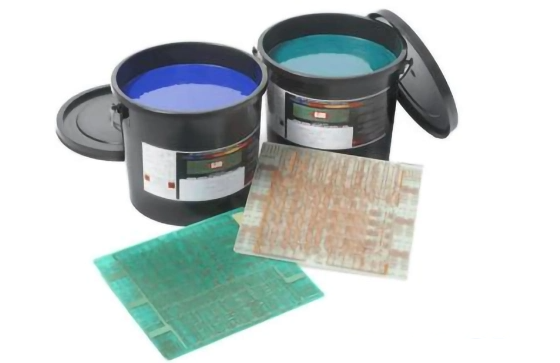
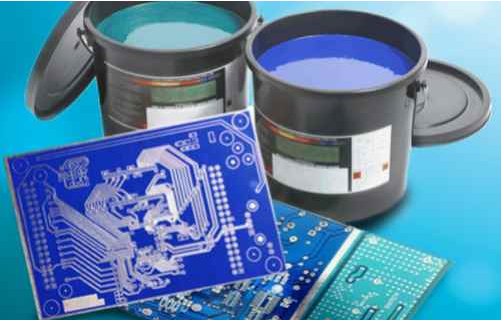
The color of ink used in printed circuit board (PCB) manufacturing plays a crucial role in both aesthetic and functional aspects. Various factors influence the final ink color, including ink composition, substrate material, curing conditions, and printing techniques. This paper explores the key factors affecting ink color in PCB production and discusses their impact on consistency and quality.

1. Introduction

In PCB manufacturing, solder mask ink and legend ink are essential for protecting circuits and providing labeling. The color of these inks must meet both technical and customer-specific requirements. However, achieving consistent ink color can be challenging due to multiple influencing factors. Understanding these factors helps manufacturers maintain quality and reduce defects.

2. Ink Composition and Pigmentation

The primary factor affecting ink color is its chemical composition, particularly the pigments and dyes used.

2.1 Pigment Type and Concentration

  • Organic vs. Inorganic Pigments: Organic pigments provide brighter colors but may degrade under high temperatures, while inorganic pigments offer better thermal stability.
  • Pigment Dispersion: Uneven dispersion can lead to color inconsistency. Proper milling and mixing are essential for uniform color distribution.
  • Pigment Loading: Higher pigment concentration results in deeper colors, but excessive amounts may affect ink viscosity and adhesion.

2.2 Resin and Additives

  • Resin Type: Epoxy, acrylic, and polyurethane resins influence glossiness and color appearance.
  • Additives: UV stabilizers, flow modifiers, and wetting agents can slightly alter ink color.
Contact us for PCB quote now |

3. Substrate Material and Surface Finish

The PCB substrate and surface treatment affect how ink appears after application.

3.1 Base Material Color

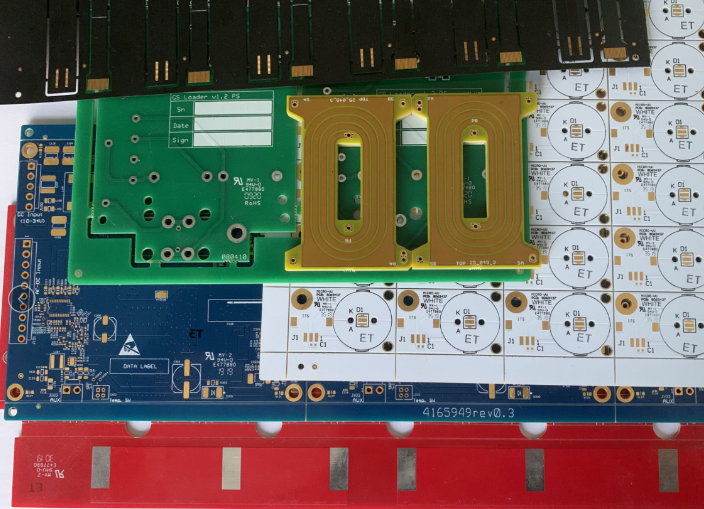
  • FR-4 (typically light brown) vs. high-frequency laminates (often white or black) can alter perceived ink color.
  • Dark substrates may require opaque inks to achieve desired visibility.

3.2 Copper and Surface Finishes

  • Exposed copper (if not fully covered) can reflect light differently, affecting color perception.
  • Surface finishes like HASL, ENIG, or OSP interact with ink, sometimes causing slight color shifts.

4. Printing Process Parameters

The method of ink application significantly impacts color consistency.

4.1 Screen Printing vs. Inkjet Printing

  • Screen Printing: Thicker ink layers result in more vibrant colors but may suffer from mesh pattern effects.
  • Inkjet Printing: Offers precise control but may require multiple passes for opacity, affecting color depth.

4.2 Ink Thickness and Uniformity

  • Thicker ink layers appear darker but may lead to curing issues.
  • Uneven application causes color variation across the PCB.
Contact us for PCB quote now |

5. Curing Conditions

Ink curing is critical for final color stability.

5.1 Thermal Curing

  • Temperature & Time: Over-curing can darken ink, while under-curing may leave it lighter or tacky.
  • Oven Uniformity: Inconsistent heating leads to color differences across the board.

5.2 UV Curing

  • UV Intensity and Wavelength: Affects polymerization, influencing gloss and color.
  • Oxygen Inhibition: Can cause surface tackiness and slight discoloration.

6. Environmental Factors

External conditions during printing and storage impact ink color.

6.1 Humidity and Temperature

  • High humidity may cause ink absorption issues, altering color.
  • Temperature fluctuations affect viscosity and pigment settling.

6.2 Exposure to Light and Chemicals

  • UV exposure can degrade pigments over time.
  • Chemical interactions (e.g., flux residues) may discolor ink.
Contact us for PCB quote now |

7. Aging and Storage Conditions

  • Improper storage (exposure to heat/moisture) degrades ink before use.
  • Shelf life expiration leads to pigment separation and color shifts.

8. Quality Control Measures

To ensure consistent ink color, manufacturers should:

  • Use spectrophotometers for color matching.
  • Maintain strict process controls (curing time, ink viscosity).
  • Store inks in controlled environments.

9. Conclusion

Achieving consistent ink color in PCB production requires careful consideration of ink formulation, substrate properties, printing techniques, curing conditions, and environmental factors. By optimizing these parameters, manufacturers can improve product quality and meet customer expectations.

Contact us for PCB quote now |
Post Tags: #aluminum clad pcb#aluminum core pcb#aluminum pcb#assemble pcb#pcb production

Post navigation

Previous Previous
Opportunities in Microwave Antenna PCB Technology: A Brief Analysis
NextContinue
What Problems Need to Be Solved by PCBs and Chips?

Search

Search

Products

  • HDI Multilayer PCB
  • Rigid Flex PCB
  • Flex pcb
  • High Frequency PCB
  • High speed pcb
  • Heavy copper PCB
  • Metal Core PCB
  • Ceramic PCB

Address

Andwin Circuits Co.,Limited
Email: sales@andwinpcb.com
Tel: +86 755 2832 9394
Fax:+86 755 2992  6717
ADD:1-2F-1217,HouDeQun Industrial park,
NanTing RD NO.56,ShaJing,BaoAn,Shenzhen 518104,GuangDong,China

Products

  • HDI Multilayer PCB
  • Rigid Flex PCB
  • Flex pcb
  • High Frequency PCB
  • High speed pcb
  • Heavy copper PCB
  • Metal Core PCB
  • Ceramic PCB

Technology

  • Blogs
  • Via in pad
  • PCB E-test
  • PCB stack up
  • Metal core PCB panelization
  • Controlled impedance PCB

CERTIFICATION

Certification >>


Copyright© 2003 - 2026 Andwin | All Rights Reserved | Powered by Andwin

Scroll to top
  • Home
  • Products
    • HDI multilayer PCB
    • Rigid Flex PCB
    • Flex pcb
    • Special PCB
      • High Frequency PCB
        • Rogers RO4350B PCB
        • Rogers RO4003 pcb
        • Rogers RO3003 PCB
        • Rogers 5880 PCB
        • DICLAD 527 PCB
        • Taconic TLX series
        • Taconic TLX-8 RF PCB
        • Taconic TLX-9 RF PCB
      • High speed pcb
        • Megtron 6 High Speed PCB
        • TU-872 SLK Sp High Speed
      • High TG PCB
        • SHENGYI SH260 PCB
        • ISOLA 370HR PCB
        • ISOLA IS410 PCB
        • ISOLA IS420 PCB
      • Heavy copper PCB
      • Copper coin pcb
      • Copper inlay PCB
    • Metal Core PCB
      • Copper core pcb
      • Aluminum PCB
      • 2 Layers Aluminum PCB
      • Direct thermal MCPCB
      • 2 Layers Direct Thermal
    • Ceramic PCB
      • DPC ceramic PCB
      • DBC ceramic PCB
      • Thick film Ceramic PCB
      • Al2O3 Alumina PCB
      • AIN ALN ceramic PCB
      • IGBT Ceramic PCB
  • Service
    • PCB Assembly
    • Quick turn PCB assembly
    • PCBA conformal coating
  • Industry
    • Telecommunication
    • IoT and Wireless
    • Industrial Control
    • Thermal management
    • Power and Energy
    • IC test board
    • Automative
    • Medical
  • Capability
    • Rigid PCB
    • Rigid flex PCB
    • Metal core PCB
    • PCB Assembly
  • Technology
    • Blogs
    • Via in pad
    • PCB E-test
    • PCB stack up
    • MCPCB panelization
    • Controlled impedance PCB
  • About
    • About us
    • Certification
    • Factory Tour
  • Contact
Search