
Flexible PCB Bonding: Techniques, Materials, and Applications
Introduction to Flexible PCB Bonding
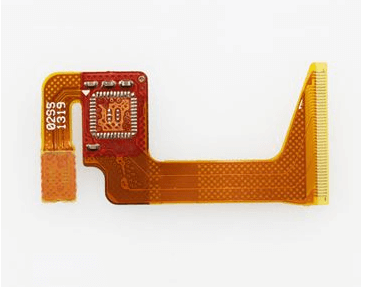
Flexible printed circuit boards (flex PCBs) have become indispensable components in modern electronics, enabling innovative product designs and reliable performance in demanding applications. The bonding process for flex PCBs is a critical manufacturing step that ensures proper electrical connections, mechanical stability, and long-term reliability. This 2000-word article explores the various aspects of flex PCB bonding, including techniques, materials, challenges, and applications.
Flex PCB bonding refers to the process of attaching flexible circuits to other circuit elements, substrates, or to themselves while maintaining their flexibility and electrical functionality. Unlike rigid PCB assembly, flex circuit bonding requires special considerations to accommodate bending, folding, and dynamic movement without compromising electrical performance or mechanical integrity.
Bonding Techniques for Flexible PCBs
1. Adhesive Bonding
Adhesive bonding is the most common method for attaching flex PCBs to substrates or other components. This technique uses specialized adhesives that provide both mechanical attachment and, in some cases, electrical conductivity.
Types of adhesives used:
- Pressure-sensitive adhesives (PSAs): These tacky materials bond under light pressure without requiring curing. They offer good flexibility and are easy to apply.
- Thermally cured adhesives: These provide stronger bonds and better temperature resistance but require heat application.
- UV-cured adhesives: These cure quickly under ultraviolet light, enabling rapid processing.
- Anisotropic conductive adhesives (ACAs): These contain conductive particles that only establish electrical connections in the Z-axis when compressed.
Advantages:
- Uniform stress distribution
- Good vibration damping
- Ability to bond dissimilar materials
- No thermal distortion of components
Limitations:
- Potential outgassing issues
- Limited high-temperature performance
- Possible creep under sustained stress
2. Thermal Bonding (Heat Sealing)
Thermal bonding uses heat and pressure to join flex circuit layers without additional adhesives. This method typically relies on the thermoplastic properties of the flex circuit materials themselves.
Process characteristics:
- Temperature range: 180-400°C depending on materials
- Pressure requirements: 0.5-3 MPa
- Bonding time: 5-60 seconds
Key considerations:
- Precise temperature control is essential
- Pressure must be evenly distributed
- Cooling rate affects final bond quality
3. Ultrasonic Bonding
Ultrasonic bonding uses high-frequency mechanical vibrations to create localized heating at the bond interface, melting materials to form a secure joint.
Advantages:
- Rapid process (typically < 1 second)
- No external heat required
- Energy efficient
- Suitable for temperature-sensitive components
Applications:
- Fine-pitch component attachment
- Bonding in confined spaces
- Heat-sensitive materials
4. Laser Bonding
Laser bonding offers precise, localized heating for delicate flex PCB applications. This non-contact method provides excellent control over bond quality.
Process parameters:
- Wavelength: Typically 808nm or 980nm diode lasers
- Power: 10-100W depending on materials
- Spot size: 0.1-2mm diameter
Benefits:
- Minimal thermal distortion
- High precision
- No mechanical stress on components
- Clean process (no particulates)
Materials for Flex PCB Bonding
1. Substrate Materials
The choice of flexible substrate significantly influences bonding options:
- Polyimide (PI): The most common flex material, offering excellent thermal stability (up to 400°C) and chemical resistance.
- Polyethylene terephthalate (PET): Lower-cost alternative with moderate temperature resistance (typically up to 150°C).
- Polyethylene naphthalate (PEN): Intermediate properties between PI and PET.
- Liquid crystal polymer (LCP): High-frequency applications with excellent moisture resistance.
2. Conductive Adhesives
For electrically conductive bonds:
- Isotropic conductive adhesives (ICAs): Conduct in all directions, used for component attachment.
- Anisotropic conductive films (ACFs): Z-axis only conduction, ideal for fine-pitch connections.
- Silver-filled epoxies: Provide both mechanical bonding and electrical conduction.
3. Non-Conductive Adhesives
For mechanical bonding without electrical connection:
- Epoxy-based adhesives: High strength and temperature resistance.
- Acrylic adhesives: Faster curing with good flexibility.
- Silicone-based adhesives: Excellent flexibility and high-temperature performance.
Process Considerations for Quality Bonding
1. Surface Preparation
Proper surface preparation is essential for reliable bonds:
- Cleaning: Remove contaminants with plasma treatment, chemical cleaning, or mechanical abrasion.
- Surface activation: Corona treatment or chemical etching to improve wettability.
- Surface roughness: Optimal roughness improves mechanical interlocking.
2. Alignment and Fixturing
Precise alignment is critical, especially for fine-pitch applications:
- Vision systems: Automated optical alignment for high-accuracy bonding.
- Mechanical fixtures: Custom tooling for repeatable positioning.
- Vacuum hold-down: Prevents movement during bonding.
3. Process Control Parameters
Key parameters that affect bond quality:
- Temperature: Must be optimized for materials used.
- Pressure: Sufficient for contact but not damaging.
- Time: Adequate for complete curing or melting.
- Humidity: Control moisture to prevent outgassing.
Challenges in Flex PCB Bonding
1. Coefficient of Thermal Expansion (CTE) Mismatch
Different materials expand at different rates when heated, potentially causing:
- Warping or curling after bonding
- Stress at the bond interface
- Potential delamination under thermal cycling
Solutions:
- Use adhesives with intermediate CTE
- Incorporate stress-relief features
- Optimize bond area geometry
2. Dynamic Flexing Requirements
Bonds must withstand repeated bending without failure:
- Strain management: Keep bending radii within material limits
- Neutral axis design: Position bonds near the neutral bending axis
- Strain-relief patterns: Use serpentine traces near bond areas
3. Environmental Durability
Bonds must survive operating conditions:
- Temperature extremes: Choose materials with suitable Tg
- Chemical exposure: Select chemically resistant adhesives
- Moisture resistance: Prevent hydrolysis with proper material selection
Quality Control and Testing
1. Non-Destructive Testing Methods
- Visual inspection: Microscopic examination for defects
- X-ray imaging: Reveals internal voids or misalignment
- Ultrasonic testing: Detects delamination or weak bonds
- Infrared thermography: Identifies thermal anomalies
2. Destructive Testing
- Peel tests: Measure bond strength
- Shear tests: Evaluate parallel-to-surface strength
- Environmental testing: Thermal cycling, humidity exposure
- Flex cycling: Simulate real-world bending conditions
3. Process Monitoring
- In-line inspection systems: Automated defect detection
- Statistical process control: Track key parameters
- Traceability systems: Document process conditions
Applications of Flex PCB Bonding
1. Consumer Electronics
- Smartphone displays and cameras
- Wearable devices
- Foldable displays
2. Automotive Electronics
- Dashboard displays
- Sensor systems
- Lighting assemblies
3. Medical Devices
- Implantable electronics
- Diagnostic equipment
- Wearable monitors
4. Aerospace and Defense
- Avionics systems
- Satellite components
- Military communications
5. Industrial Applications
- Robotics
- Sensor networks
- Control systems

Future Trends in Flex PCB Bonding
- Nanomaterial-enhanced adhesives: Incorporating carbon nanotubes or graphene for improved conductivity and strength.
- Low-temperature bonding: Enabling bonding of temperature-sensitive components and substrates.
- Self-healing materials: Adhesives that can repair minor damage during service life.
- Bio-based adhesives: Sustainable bonding solutions from renewable resources.
- Smart bonding processes: IoT-enabled bonding equipment with real-time quality feedback.
Conclusion
Flex PCB bonding is a sophisticated process that requires careful consideration of materials, techniques, and process parameters to ensure reliable performance in demanding applications. As flexible electronics continue to proliferate across industries, advancements in bonding technology will play a crucial role in enabling new product designs and improving reliability. Understanding the various bonding options and their trade-offs allows engineers to select the optimal approach for their specific application requirements.
The future of flex PCB bonding lies in developing more robust, precise, and environmentally friendly processes that can accommodate the increasing miniaturization and performance demands of next-generation electronic devices. With proper design, material selection, and process control, flex PCB bonds can deliver the durability and reliability needed for even the most challenging applications.