
How to Clean Flux Off a Circuit Board: A Comprehensive Guide
Flux is an essential material used in the soldering process of circuit boards. It helps to remove oxidation from metal surfaces, ensuring a strong and reliable solder joint. However, after the soldering process is complete, flux residue can remain on the circuit board. If left uncleaned, this residue can lead to corrosion, electrical leakage, or even short circuits, potentially compromising the performance and longevity of the electronic device. Therefore, cleaning flux off a circuit board is a critical step in the manufacturing and maintenance process. In this article, we will explore the methods, tools, and best practices for effectively cleaning flux off a circuit board.
Understanding Flux and Its Residues
Before diving into the cleaning process, it’s important to understand the types of flux and their residues. Flux can be categorized into three main types:
- Rosin Flux: Made from pine tree resin, rosin flux is commonly used in electronics. It leaves behind a sticky, non-conductive residue that is generally harmless but should still be cleaned for optimal performance.
- Water-Soluble Flux: This type of flux is designed to be easily cleaned with water. However, if not removed promptly, it can become corrosive and damage the circuit board.
- No-Clean Flux: As the name suggests, no-clean flux is formulated to leave minimal residue that does not require cleaning. However, in high-reliability applications, even no-clean flux residues may need to be removed.
The type of flux used will determine the appropriate cleaning method. Always check the manufacturer’s recommendations for the specific flux you are using.
Tools and Materials Needed for Cleaning Flux
To clean flux off a circuit board, you will need the following tools and materials:
- Isopropyl Alcohol (IPA): A common solvent for cleaning flux, especially for rosin and no-clean flux. Use a high concentration (90% or higher) for best results.
- Deionized Water: Essential for cleaning water-soluble flux.
- Cleaning Brushes: Soft-bristled brushes or specialized PCB cleaning brushes to scrub away residue without damaging components.
- Lint-Free Wipes or Swabs: For wiping away dissolved flux and solvents.
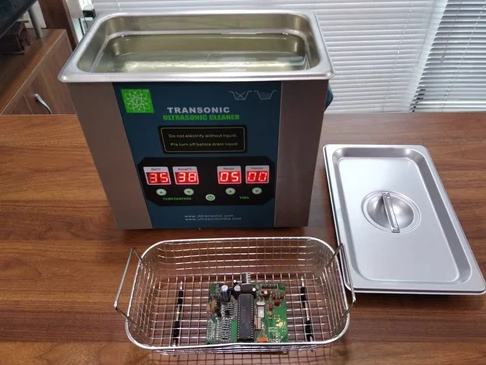
- Ultrasonic Cleaner: An optional but highly effective tool for thorough cleaning, especially for complex boards.
- Compressed Air: Useful for drying the board and removing loose debris.
- Flux Remover Spray: Commercial products specifically designed for flux removal.
- Safety Gear: Gloves, safety goggles, and a well-ventilated workspace to protect yourself from chemicals.
Step-by-Step Guide to Cleaning Flux Off a Circuit Board
1. Preparation
Before starting the cleaning process, ensure the circuit board is powered off and disconnected from any power source. Remove any detachable components if possible. Inspect the board for visible flux residues, which often appear as a sticky or crusty layer around solder joints.
2. Choosing the Right Cleaning Method
The cleaning method depends on the type of flux used:
- Rosin Flux: Use isopropyl alcohol or a commercial flux remover.
- Water-Soluble Flux: Use deionized water.
- No-Clean Flux: Cleaning may not be necessary, but if required, use isopropyl alcohol.
3. Cleaning with Isopropyl Alcohol (IPA)
For rosin and no-clean flux, IPA is the most effective solvent. Follow these steps:
- Dip a soft-bristled brush or lint-free swab into the IPA.
- Gently scrub the affected areas, focusing on solder joints and areas with visible residue.
- Use a lint-free wipe to remove the dissolved flux and excess alcohol.
- Repeat the process if necessary until the board is clean.
4. Cleaning with Deionized Water
For water-soluble flux, deionized water is the preferred cleaning agent:
- Rinse the board under a gentle stream of deionized water.
- Use a soft brush to scrub away residue.
- Dry the board thoroughly using compressed air or a lint-free cloth. Ensure no moisture remains, as it can cause corrosion.
5. Using an Ultrasonic Cleaner
For heavily soiled or complex boards, an ultrasonic cleaner can provide a deep clean:
- Fill the cleaner with the appropriate solvent (IPA or deionized water).
- Place the circuit board in the cleaner and run it for a few minutes.
- Remove the board and rinse it with fresh solvent or water.
- Dry the board completely.
6. Final Inspection and Drying
After cleaning, inspect the board under good lighting to ensure all flux residues have been removed. Use compressed air to blow away any remaining debris or solvent. Allow the board to air dry for a few minutes to ensure no moisture is trapped under components.
Best Practices for Cleaning Flux
- Work in a Well-Ventilated Area: Many cleaning solvents, including IPA, emit fumes that can be harmful if inhaled. Always work in a well-ventilated space or use a fume extractor.
- Avoid Abrasive Materials: Scrubbing with abrasive materials can damage the circuit board or its components. Stick to soft brushes and lint-free wipes.
- Test Cleaning Agents: Before applying any solvent to the entire board, test it on a small, inconspicuous area to ensure compatibility.
- Follow Manufacturer Guidelines: Always refer to the flux and circuit board manufacturer’s recommendations for cleaning.
- Dry Thoroughly: Moisture is the enemy of electronics. Ensure the board is completely dry before reassembling or powering it on.
- Use ESD-Safe Tools: Electrostatic discharge (ESD) can damage sensitive components. Use ESD-safe brushes, wipes, and containers.
Common Mistakes to Avoid
- Using Tap Water: Tap water contains minerals and impurities that can leave deposits on the board. Always use deionized water.
- Over-Scrubbing: Excessive scrubbing can damage solder joints or components. Be gentle and patient.
- Ignoring Safety Precautions: Always wear gloves and safety goggles when handling chemicals.
- Skipping the Drying Step: Failing to dry the board properly can lead to corrosion or electrical issues.
Alternative Cleaning Methods
In addition to the methods mentioned above, there are alternative approaches to cleaning flux:
- Commercial Flux Removers: These are specially formulated sprays or solutions designed to dissolve flux quickly and efficiently.
- Vapor Degreasers: These machines use solvent vapors to clean and dry circuit boards in a single step.
- Aqueous Cleaning Systems: These systems use water-based solutions and are environmentally friendly.
Conclusion
Cleaning flux off a circuit board is a crucial step in ensuring the reliability and longevity of electronic devices. By understanding the type of flux used, selecting the appropriate cleaning method, and following best practices, you can effectively remove flux residues without damaging the board. Whether you’re a hobbyist or a professional, taking the time to clean your circuit boards properly will pay off in the form of better performance and fewer failures. Remember to prioritize safety, use the right tools, and always follow manufacturer guidelines for the best results.
By following this comprehensive guide, you can confidently tackle flux cleaning and maintain the integrity of your circuit boards for years to come.