
How to Get Gold Off Circuit PCB: A Comprehensive Guide
Introduction
Printed Circuit Boards (PCBs) are essential components in nearly all modern electronic devices, from smartphones to industrial equipment. Many PCBs contain small amounts of precious metals, including gold, which is used for its excellent conductivity and corrosion resistance. While the quantity of gold in a single PCB may be small, recovering gold from multiple boards can be economically and environmentally beneficial. This 2000-word guide will explore various methods for extracting gold from circuit boards, including both professional techniques and safer DIY approaches.
Understanding Gold Content in PCBs
Before attempting to extract gold, it’s important to understand where and how gold is used in PCBs:
- Edge Connectors: Gold plating is commonly found on edge connectors due to its conductivity and resistance to oxidation.
- Component Leads: Some high-quality components have gold-plated leads.
- Bonding Wires: Gold wires are often used inside integrated circuits.
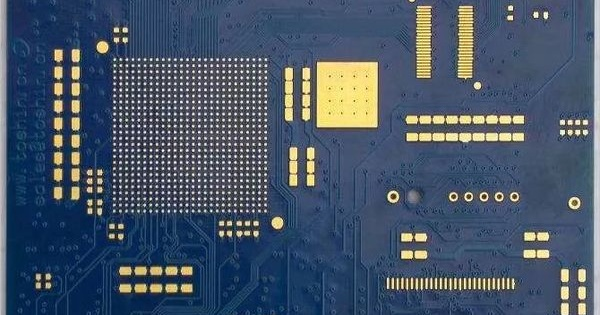
- Surface Finish: Some PCBs use gold as a surface finish (ENIG – Electroless Nickel Immersion Gold).
The actual gold content varies significantly:
- Average computer motherboard: 0.2-0.5 grams of gold
- High-end server boards: up to 2 grams of gold
- Cell phones: about 0.03 grams per device
Safety Considerations
Gold recovery processes often involve hazardous chemicals and procedures. Before attempting any method:
- Always work in a well-ventilated area or use a fume hood
- Wear appropriate PPE: gloves, goggles, and chemical-resistant clothing
- Never mix acids unless you’re professionally trained
- Have neutralizing agents (like baking soda) and running water available
- Properly dispose of all chemical waste according to local regulations
Method 1: Mechanical Separation (Safest Method)
For those who want to avoid harsh chemicals, mechanical separation is the safest approach:
- Disassembly:
- Remove all components from the PCB using desoldering tools
- Separate components with visible gold plating (connectors, pins, etc.)
- Physical Processing:
- Use wire cutters to trim gold-plated edges
- For chips with gold bonding wires, carefully crush and separate
- Sort gold-containing materials into separate containers
- Collection:
- Accumulate enough material to make professional refining worthwhile
- Sell to professional refiners who can process it safely
While this method doesn’t extract pure gold, it concentrates gold-bearing materials for professional processing.
Method 2: Acid Stripping (For Advanced Users)
This chemical method requires extreme caution but can yield better results:
Materials Needed:
- Concentrated nitric acid
- Hydrochloric acid (to make aqua regia)
- Sodium metabisulfite
- Filtering equipment
- Glass or plastic containers
Step-by-Step Process:
- Preparation:
- Remove all non-gold components as much as possible
- Cut boards into smaller pieces to increase surface area
- First Acid Bath (Nitric Acid):
- Submerge PCB pieces in nitric acid to dissolve base metals
- This leaves gold foils and some resistant materials
- Filter and rinse remaining materials thoroughly
- Aqua Regia Process:
- Mix 1 part nitric acid with 3 parts hydrochloric acid (CAUTION: extremely dangerous)
- Add filtered gold-bearing materials to the solution
- Gold will dissolve into the solution while other materials remain
- Precipitation:
- Filter the solution to remove impurities
- Add sodium metabisulfite to precipitate gold powder
- Filter and rinse the gold powder
- Melting (Optional):
- For pure gold, melt the powder with a torch in a crucible
- Use borax as a flux to remove impurities
This method can recover most of the gold but requires proper safety measures and waste disposal.
Method 3: Electrolytic Recovery
A somewhat safer chemical method using electricity:
Materials Needed:
- Sulfuric acid electrolyte solution
- DC power supply (2-6 volts)
- Stainless steel cathode
- Copper anode basket for PCB pieces
Process:
- Prepare electrolyte solution (dilute sulfuric acid)
- Suspend PCB pieces in the anode basket
- Apply current – gold will dissolve and plate onto the cathode
- Remove and clean gold from the cathode
- Further refine if necessary
This method is slower but generates less hazardous waste than acid methods.
Method 4: Commercial Refining Services
For most individuals and small operations, using a professional refining service is the safest and most efficient option:
- Collection: Accumulate gold-bearing materials
- Separation: Remove obvious non-gold components
- Shipping: Send to a certified refiner
- Payment: Receive payment based on gold content
Advantages:
- No exposure to hazardous chemicals
- Higher recovery rates
- Proper waste handling
- Often better financial return after accounting for all costs
Environmental Considerations
Improper gold recovery can cause significant environmental harm:
- Acid Waste: Can contaminate water supplies
- Heavy Metals: Lead, mercury, and other toxins may be released
- Air Pollution: Fumes from chemical processes are hazardous
Always:
- Neutralize acids before disposal
- Never pour waste down drains
- Follow all local environmental regulations
- Consider professional services as the most eco-friendly option
Economic Viability
Before investing time and resources in gold recovery:
- Calculate potential gold value vs. costs (chemicals, equipment, time)
- Consider scale – small quantities may not be worthwhile
- Factor in safety equipment and proper waste disposal costs
- Research local refining options and their terms
For most individuals, collecting and selling gold-bearing components to professionals offers the best balance of safety and profitability.
Alternative Uses for Recovered Gold
If you successfully recover gold:
- Sell to refiners or jewelers: Most straightforward option
- Craft projects: Gold leaf or decorative elements
- Educational purposes: Demonstrate metallurgy principles
- Small-scale jewelry making: If sufficiently pure
Legal Considerations
Be aware of:
- Waste disposal laws: Many jurisdictions strictly regulate chemical disposal
- Business regulations: Commercial recovery may require licenses
- Transportation rules: Shipping hazardous materials has special requirements
- Local ordinances: Some areas prohibit certain chemical processes
Future Trends in PCB Gold Recovery
Emerging technologies may change gold recovery:
- Bioleaching: Using bacteria to extract metals
- Ionic liquids: Safer alternative to traditional acids
- Improved sorting technologies: Better identification of gold-rich components
- Urban mining initiatives: Larger-scale recovery programs
Conclusion
Recovering gold from circuit boards is a complex process that ranges from simple mechanical separation to dangerous chemical procedures. While the allure of “free gold” is strong, the realities of small quantities, hazardous materials, and environmental concerns make professional refining services the best choice for most people. If you choose to attempt gold recovery yourself, always prioritize safety, start with small batches, and thoroughly research each step before beginning. Proper handling and disposal of all materials is not just legally required – it’s essential for protecting both human health and the environment.
Remember that gold recovery from electronics should be viewed as a way to responsibly recycle valuable materials rather than a get-rich-quick scheme. With proper expectations and precautions, it can be an interesting and occasionally profitable endeavor that contributes to more sustainable electronics recycling.