
PCB Capabilities: A Comprehensive Guide to Modern Printed Circuit Board Technologies
Introduction
Printed Circuit Boards (PCBs) are the backbone of modern electronics, providing the necessary platform for electrical connections between components. As technology advances, PCB capabilities have expanded significantly, enabling more complex, efficient, and high-performance electronic devices. This article explores the various capabilities of PCBs, including materials, manufacturing techniques, design considerations, and advanced technologies that define their role in today’s electronics industry.
1. PCB Materials and Their Impact on Performance
The choice of PCB material significantly influences its electrical, thermal, and mechanical properties. Some of the most commonly used materials include:
1.1 FR-4 (Flame Retardant-4)
- The most widely used substrate material for PCBs.
- Composed of woven fiberglass with an epoxy resin binder.
- Offers good mechanical strength and electrical insulation.
- Suitable for standard applications but has limitations in high-frequency or high-temperature environments.
1.2 High-Frequency Laminates (Rogers, Teflon, etc.)
- Used in RF and microwave applications (e.g., 5G, radar systems).
- Low dielectric loss and stable permittivity for signal integrity.
- Materials like PTFE (Teflon) provide excellent high-frequency performance.
1.3 Metal-Core PCBs (MCPCBs)
- Incorporate a metal base (usually aluminum or copper) for better heat dissipation.
- Ideal for LED lighting, power electronics, and high-current applications.
1.4 Flexible and Rigid-Flex PCBs
- Made from polyimide or other flexible materials.
- Used in wearable devices, medical equipment, and aerospace applications.
- Allow for 3D bending and dynamic flexing in compact designs.
2. PCB Manufacturing Capabilities
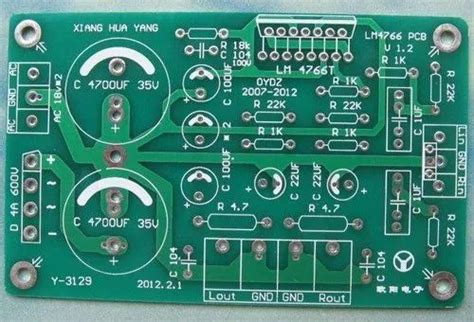
Modern PCB manufacturing involves several advanced processes to meet the demands of high-density and high-performance electronics.
2.1 Multilayer PCBs
- Support complex circuits with multiple conductive layers (up to 50+ layers in advanced applications).
- Used in servers, telecommunications, and military electronics.
- Requires precise layer alignment and lamination techniques.
2.2 High-Density Interconnect (HDI) Technology
- Enables finer traces, smaller vias (microvias, blind/buried vias), and higher component density.
- Essential for smartphones, IoT devices, and miniaturized electronics.
- Improves signal integrity and reduces electromagnetic interference (EMI).
2.3 Advanced PCB Finishes
- ENIG (Electroless Nickel Immersion Gold): Corrosion-resistant, suitable for fine-pitch components.
- OSP (Organic Solderability Preservative): Cost-effective for consumer electronics.
- Immersion Silver & Hard Gold: Used in high-reliability and high-frequency applications.
2.4 Laser Drilling and Direct Imaging
- Laser drilling allows for ultra-small microvias (<100µm).
- Direct imaging (LDI) improves trace accuracy and reduces defects in high-precision PCBs.
3. Design and Layout Considerations
3.1 Signal Integrity and EMI Control
- Proper trace routing, impedance matching, and grounding techniques.
- Use of differential pairs for high-speed signals (e.g., USB, PCIe).
- Shielding and via stitching to minimize interference.
3.2 Thermal Management
- Copper pours, thermal vias, and heatsinks to dissipate heat.
- Simulation tools (e.g., ANSYS, Cadence) to predict thermal performance.
3.3 Design for Manufacturing (DFM) and Testing
- DFM guidelines ensure manufacturability and reduce defects.
- Automated Optical Inspection (AOI) and flying probe testing for quality control.
4. Advanced PCB Technologies
4.1 Embedded Components
- Passive components (resistors, capacitors) embedded within the PCB layers.
- Reduces board size and improves performance.
4.2 3D Printed Electronics
- Additive manufacturing techniques for rapid prototyping.
- Enables unconventional PCB shapes and integrated functionalities.
4.3 Internet of Things (IoT) and Wearable PCBs
- Ultra-thin, flexible PCBs for smart devices and medical wearables.
- Low-power designs with wireless connectivity (Bluetooth, Wi-Fi, LoRa).
4.4 Automotive and Aerospace PCBs
- High-reliability PCBs with extended temperature ranges.
- Conformal coating and ruggedized designs for harsh environments.
5. Future Trends in PCB Technology
- Higher Speed and Frequency: With 5G and AI, PCBs must support faster data rates (100GHz+).
- Sustainable PCBs: Eco-friendly materials and lead-free manufacturing.
- AI-Driven PCB Design: Machine learning for optimizing layouts and reducing development time.
Conclusion
The capabilities of PCBs continue to evolve, driven by advancements in materials, manufacturing, and design techniques. From flexible and high-frequency PCBs to embedded components and additive manufacturing, modern PCBs enable cutting-edge electronics across industries. As technology progresses, PCB innovation will remain critical in shaping the future of electronics.
By understanding these capabilities, engineers and designers can select the best PCB solutions for their applications, ensuring performance, reliability, and scalability