
PCB Reliability Testing: Methods, Standards, and Best Practices
Introduction
Printed Circuit Boards (PCBs) are the backbone of modern electronics, found in everything from consumer gadgets to aerospace systems. Ensuring their reliability is critical, as failures can lead to costly recalls, safety hazards, and reputational damage. PCB reliability testing involves a series of evaluations designed to assess a board’s performance under various environmental, mechanical, and electrical stresses.
This article explores the key aspects of PCB reliability testing, including common test methods, industry standards, failure mechanisms, and best practices to enhance PCB durability.
1. Importance of PCB Reliability Testing
Reliability testing ensures that PCBs can withstand real-world operating conditions over their intended lifespan. Key reasons for conducting reliability tests include:
- Preventing Field Failures – Identifying potential defects before mass production reduces the risk of failures in end-use applications.
- Meeting Industry Standards – Compliance with standards such as IPC, MIL-STD, and IEC is mandatory for many industries.
- Improving Product Longevity – Testing helps optimize materials and manufacturing processes for better durability.
- Reducing Costs – Early detection of flaws minimizes warranty claims and recalls.
2. Common PCB Reliability Test Methods
2.1 Environmental Stress Testing
Environmental tests simulate harsh conditions that PCBs may encounter.
- Thermal Cycling & Shock Testing
- Exposes PCBs to rapid temperature changes (-40°C to +125°C) to detect solder joint cracks or delamination.
- Standards: IPC-9701, JEDEC JESD22-A104.
- Humidity & Moisture Resistance (THB/HAST)
- Temperature Humidity Bias (THB) tests assess corrosion risks under high humidity (85% RH, 85°C).
- Highly Accelerated Stress Test (HAST) accelerates moisture penetration to identify insulation failures.
- Standards: JEDEC JESD22-A101, IPC-TM-650 2.6.3.
- Salt Spray Testing
- Evaluates corrosion resistance in marine or automotive applications.
- Standard: ASTM B117.
2.2 Mechanical Stress Testing
Mechanical tests evaluate structural integrity under physical stress.
- Vibration & Shock Testing
- Simulates transportation or operational vibrations (e.g., automotive or aerospace use).
- Standards: MIL-STD-810, IEC 60068-2-6.
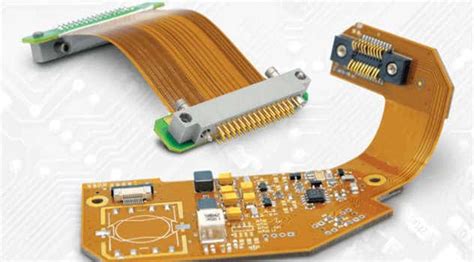
- Bend & Flex Testing
- Assesses flexibility of flexible PCBs (FPCs) or rigid-flex designs.
- Standard: IPC-6013.
- Pull & Shear Testing
- Measures bond strength of solder joints and component attachments.
2.3 Electrical Performance Testing
Ensures PCBs maintain electrical integrity under stress.
- High-Potential (HiPot) Testing
- Applies high voltage to check insulation and dielectric strength.
- Standard: IPC-9252.
- Continuity & Insulation Resistance (IR) Testing
- Verifies electrical connectivity and detects short circuits.
- Electromigration Testing
- Evaluates long-term degradation due to current flow (critical for high-power PCBs).
2.4 Accelerated Life Testing (ALT)
ALT subjects PCBs to extreme conditions to predict long-term reliability.
- Temperature-Humidity-Bias (THB) Aging
- Power Cycling – Repeated on/off cycles to assess thermal fatigue.
3. Key Failure Mechanisms in PCBs
Understanding common failure modes helps in designing effective tests:
- Solder Joint Fatigue – Caused by thermal expansion mismatches.
- Conductive Anodic Filamentation (CAF) – Copper migration leading to short circuits.
- Delamination – Separation of PCB layers due to moisture or thermal stress.
- Electrochemical Migration – Dendritic growth causing leakage currents.
- Plated Through-Hole (PTH) Cracking – Due to mechanical or thermal stress.

4. Industry Standards for PCB Reliability
Several organizations define PCB testing protocols:
- IPC Standards
- IPC-6011: Generic PCB performance specifications.
- IPC-A-600: Acceptability of printed boards.
- IPC-J-STD-001: Soldering requirements.
- MIL-STD & DO-160
- Military (MIL-STD-883) and aerospace (DO-160) reliability criteria.
- IEC & ISO Standards
- IEC 61189-3: Test methods for materials.
- ISO 9001: Quality management in manufacturing.
5. Best Practices for Improving PCB Reliability
5.1 Design for Reliability (DfR)
- Use robust materials (high-Tg laminates, ENIG finish).
- Optimize trace widths and spacing to prevent electromigration.
- Implement thermal relief pads to reduce solder joint stress.
5.2 Manufacturing Process Control
- Ensure proper solder paste application and reflow profiles.
- Conduct Automated Optical Inspection (AOI) and X-ray inspection.
5.3 Post-Production Testing Strategies
- Combine environmental, mechanical, and electrical tests.
- Use statistical analysis (Weibull distribution) for failure prediction.
6. Future Trends in PCB Reliability Testing
- AI-Powered Defect Detection – Machine learning for real-time fault analysis.
- Advanced Simulation Tools – Finite Element Analysis (FEA) for virtual testing.
- IoT-Enabled Condition Monitoring – Embedded sensors for predictive maintenance.
Conclusion
PCB reliability testing is essential for delivering durable, high-performance electronics. By employing a combination of environmental, mechanical, and electrical tests, manufacturers can identify weaknesses early and improve product quality. Adhering to industry standards and adopting best practices in design and manufacturing further enhances PCB longevity.
As technology evolves, innovations such as AI-driven inspection and IoT-based monitoring will play a growing role in ensuring PCB reliability across industries.