
PCB Surface Treatment Processes: A Comprehensive Guide
Introduction to PCB Surface Finishes
Printed Circuit Board (PCB) surface treatment is a critical step in the manufacturing process that significantly impacts the quality, reliability, and performance of electronic devices. Surface finishes serve as the interface between the bare copper of the PCB and the components that will be mounted on it. These treatments protect the copper from oxidation, enhance solderability, and improve electrical performance.
The selection of an appropriate surface finish depends on various factors including the type of components to be mounted, the intended operating environment, cost considerations, and the required shelf life of the boards. With the continuous miniaturization of electronic devices and the increasing complexity of PCB designs, surface treatment technologies have evolved significantly to meet these demanding requirements.
This article provides a detailed examination of the most common PCB surface treatment processes, their characteristics, advantages, disadvantages, and typical applications. Understanding these different surface finishes enables engineers and designers to make informed decisions that optimize both performance and cost-effectiveness in their PCB designs.
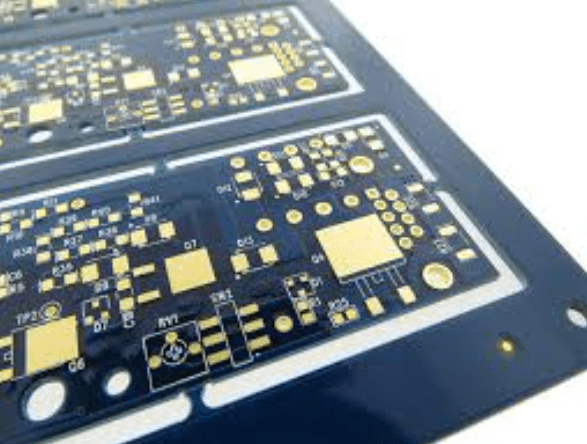
Common Types of PCB Surface Finishes
1. Hot Air Solder Leveling (HASL)
Hot Air Solder Leveling (HASL) has been one of the most widely used PCB surface finishes for decades. In this process, the PCB is first coated with flux to remove oxidation from the copper surface, then dipped into molten solder (typically a tin-lead alloy, though lead-free versions are now common). The board is then passed between hot air knives that remove excess solder and create a relatively flat surface.
Advantages:
- Low cost compared to other surface finishes
- Excellent solderability
- Good shelf life (typically 12 months)
- Repairable and reworkable
- Provides a thick protective layer for the copper
Disadvantages:
- Not suitable for fine-pitch components due to uneven surface
- Thermal shock to the PCB during the process
- Potential for solder bridging on dense boards
- Not ideal for high-frequency applications due to surface roughness
- Lead-free HASL requires higher temperatures
Applications:
HASL is commonly used for consumer electronics, industrial controls, and other applications where cost is a primary concern and very fine pitch components are not used. The lead-free version (LF-HASL) has become more prevalent with the adoption of RoHS compliance requirements.
2. Electroless Nickel Immersion Gold (ENIG)
Electroless Nickel Immersion Gold (ENIG) is a two-layer metallic coating consisting of a nickel barrier layer covered with a thin layer of gold. The nickel (typically 3-6 μm thick) is deposited through an autocatalytic chemical reaction, while the gold layer (0.05-0.1 μm) is applied through a displacement reaction that protects the nickel from oxidation.
Advantages:
- Flat surface ideal for fine-pitch components and BGA packages
- Excellent oxidation resistance
- Good electrical conductivity
- Suitable for aluminum wire bonding
- Long shelf life (typically 12 months or more)
- RoHS compliant
Disadvantages:
- More expensive than HASL
- Potential for “black pad” syndrome (brittle nickel-phosphorus layer)
- Not easily reworkable
- Gold is very thin and can dissolve quickly into solder
- Requires careful process control
Applications:
ENIG is widely used in high-reliability applications such as medical devices, aerospace electronics, and telecommunications equipment. It’s particularly suitable for boards with fine-pitch components, BGAs, and where wire bonding is required.
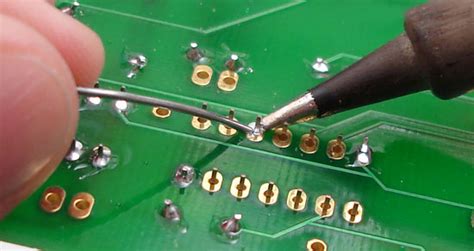
3. Organic Solderability Preservative (OSP)
Organic Solderability Preservative (OSP) is a water-based organic compound that selectively bonds to copper and protects it from oxidation. The OSP coating is very thin (typically 0.2-0.5 μm) and transparent, forming a complex organometallic layer on the copper surface.
Advantages:
- Very flat surface suitable for fine-pitch components
- Simple process with low environmental impact
- Low cost compared to metallic finishes
- Excellent coplanarity for BGA packages
- RoHS compliant
Disadvantages:
- Limited shelf life (typically 6 months)
- Sensitive to handling (can be damaged by fingerprints)
- Multiple reflow cycles can degrade performance
- Difficult to inspect visually
- Not suitable for contact switches or connectors
Applications:
OSP is commonly used in consumer electronics, particularly for boards with fine-pitch components and BGAs. It’s popular in mass production environments where boards are assembled soon after manufacturing.
4. Immersion Silver (IAg)
Immersion silver is a thin metallic coating (typically 0.1-0.3 μm) deposited on the copper surface through a displacement reaction. The silver layer provides good solderability while being relatively inexpensive compared to gold-based finishes.
Advantages:
- Flat surface suitable for fine-pitch components
- Good solderability
- Lower cost than ENIG
- RoHS compliant
- Good electrical conductivity
Disadvantages:
- Sensitive to sulfur contamination (can cause tarnishing)
- Limited shelf life (typically 6-12 months)
- Potential for silver migration in high-humidity environments
- Not suitable for wire bonding
Applications:
Immersion silver is often used in automotive electronics, RF applications, and consumer products. It’s particularly suitable for high-frequency applications due to its good electrical properties.
5. Immersion Tin (ISn)
Immersion tin is a metallic coating where tin is deposited on the copper surface through a displacement reaction. The typical thickness ranges from 0.8 to 1.2 μm, providing good solderability and a flat surface.
Advantages:
- Very flat surface ideal for fine-pitch components
- Good solderability
- RoHS compliant
- Suitable for press-fit applications
- Lower cost than ENIG
Disadvantages:
- Limited shelf life (typically 6 months)
- Potential for tin whiskers in certain conditions
- Sensitive to handling
- Not suitable for multiple reflow cycles
- Can form intermetallic compounds with copper over time
Applications:
Immersion tin is used in various applications including automotive electronics, industrial controls, and consumer products. It’s particularly suitable for press-fit connector applications.
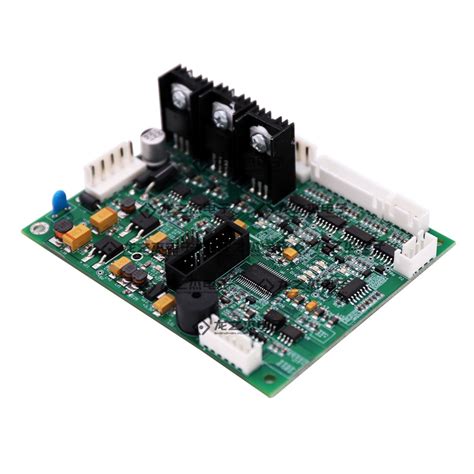
Emerging Surface Treatment Technologies
As PCB technology continues to advance, new surface treatment methods are being developed to address specific challenges:
1. Electroless Nickel Electroless Palladium Immersion Gold (ENEPIG)
ENEPIG adds a palladium layer between the nickel and gold in the ENIG process. This intermediate layer prevents the corrosion issues associated with ENIG (“black pad” syndrome) while maintaining all its advantages.
Advantages:
- Eliminates black pad issues
- Suitable for both solder and wire bonding
- Excellent shelf life
- Flat surface for fine-pitch components
Disadvantages:
- Higher cost than ENIG
- More complex process control
2. Hard Gold (Electrolytic Gold)
Hard gold is an electrolytically deposited gold coating (typically 0.5-1.27 μm) over a nickel barrier layer. It’s much thicker than immersion gold and contains small amounts of cobalt or nickel to increase hardness.
Advantages:
- Extremely durable and wear-resistant
- Excellent for contact surfaces
- Long shelf life
- Good electrical conductivity
Disadvantages:
- High cost
- Requires plating buses and additional processing steps
- Not suitable for soldering (the gold is too thick)
Applications:
Primarily used for edge connectors, keypads, and other areas requiring repeated mechanical contact.
Factors Influencing Surface Finish Selection
Choosing the appropriate surface finish requires careful consideration of multiple factors:
- Component Types: Fine-pitch components and BGAs require flat surfaces like ENIG or OSP, while through-hole components can use HASL.
- Shelf Life Requirements: Products with long storage periods before assembly need finishes with good oxidation resistance like ENIG or hard gold.
- Assembly Process: Multiple reflow cycles may rule out OSP, while wave soldering may prefer HASL.
- Environmental Conditions: Harsh environments may require more robust finishes like ENIG.
- Cost Considerations: Budget constraints may favor OSP or HASL over more expensive options like ENIG or ENEPIG.
- Electrical Requirements: High-frequency applications may prefer silver or gold finishes for better conductivity.
- Special Requirements: Wire bonding needs gold finishes, while press-fit connectors may prefer immersion tin.
Conclusion
PCB surface treatment is a critical aspect of board manufacturing that significantly impacts the quality, reliability, and performance of electronic assemblies. Each surface finish option offers unique advantages and limitations, making the selection process an important engineering decision.
While HASL remains popular for cost-sensitive applications, ENIG has become the finish of choice for many high-reliability applications. OSP offers an excellent balance of cost and performance for fine-pitch assemblies, while immersion silver and tin provide viable alternatives for specific applications. Emerging technologies like ENEPIG address some of the limitations of traditional finishes.
As electronic devices continue to evolve with finer pitches, higher frequencies, and more demanding operating environments, surface treatment technologies will continue to advance. Understanding these PCB surface finish options enables designers and engineers to make informed decisions that optimize both performance and manufacturability for their specific applications.
The future of PCB surface treatments will likely see further development of environmentally friendly processes, finishes that can withstand higher temperatures for lead-free soldering, and coatings that enable even finer pitch components and higher density interconnects. By staying informed about these developments, electronics manufacturers can ensure they are using the most appropriate surface treatment for their products.