
Skip to content
Andwin Circuits
  • Home
  • ProductsExpand
    • HDI multilayer PCB
    • Rigid Flex PCB
    • Flex pcb
    • Special PCBExpand
      • High Frequency PCBExpand
        • Rogers RO4350B PCB
        • Rogers RO4003 pcb
        • Rogers RO3003 PCB
        • Rogers 5880 PCB
        • DICLAD 527 PCB
        • Taconic TLX series
        • Taconic TLX-8 RF PCB
        • Taconic TLX-9 RF PCB
      • High speed pcbExpand
        • Megtron 6 High Speed PCB
        • TU-872 SLK Sp High Speed
      • High TG PCBExpand
        • SHENGYI SH260 PCB
        • ISOLA 370HR PCB
        • ISOLA IS410 PCB
        • ISOLA IS420 PCB
      • Heavy copper PCB
      • Copper coin pcb
      • Copper inlay PCB
    • Metal Core PCBExpand
      • Copper core pcb
      • Aluminum PCB
      • 2 Layers Aluminum PCB
      • Direct thermal MCPCB
      • 2 Layers Direct Thermal
    • Ceramic PCBExpand
      • DPC ceramic PCB
      • DBC ceramic PCB
      • Thick film Ceramic PCB
      • Al2O3 Alumina PCB
      • AIN ALN ceramic PCB
      • IGBT Ceramic PCB
  • ServiceExpand
    • PCB Assembly
    • Quick turn PCB assembly
    • PCBA conformal coating
  • IndustryExpand
    • Telecommunication
    • IoT and Wireless
    • Industrial Control
    • Thermal management
    • Power and Energy
    • IC test board
    • Automative
    • Medical
  • CapabilityExpand
    • Rigid PCB
    • Rigid flex PCB
    • Metal core PCB
    • PCB Assembly
  • TechnologyExpand
    • Blogs
    • Via in pad
    • PCB E-test
    • PCB stack up
    • MCPCB panelization
    • Controlled impedance PCB
  • AboutExpand
    • About us
    • Certification
    • Factory Tour
  • Contact
Andwin Circuits
Home / Root Cause Analysis and Prevention Strategies for PCB Blowholes

Root Cause Analysis and Prevention Strategies for PCB Blowholes

ByGrace May 17, 2025May 17, 2025

Abstract

Printed Circuit Board (PCB) blowholes, also known as plating voids or blow-outs, are critical defects that can compromise the reliability and functionality of electronic assemblies. These defects typically occur during the soldering process, where gas entrapment or improper plating leads to voids in plated through-holes (PTHs) or vias. This paper investigates the root causes of PCB blowholes, including material issues, process inconsistencies, and environmental factors. Additionally, effective prevention strategies are proposed to enhance PCB manufacturing quality and reliability.

1. Introduction

PCBs are essential components in modern electronics, providing mechanical support and electrical connections. However, defects such as blowholes can lead to intermittent connections, reduced current-carrying capacity, and eventual failure. Understanding the root causes and implementing preventive measures is crucial for improving yield and product longevity.

2. Definition and Types of PCB Blowholes

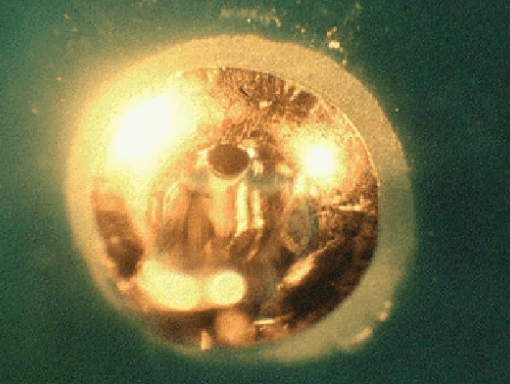
Blowholes are voids or gas pockets that form within or around plated through-holes (PTHs) or solder joints. They are categorized into:

  • Plating Voids: Gaps in the copper plating of PTHs due to poor electroplating.
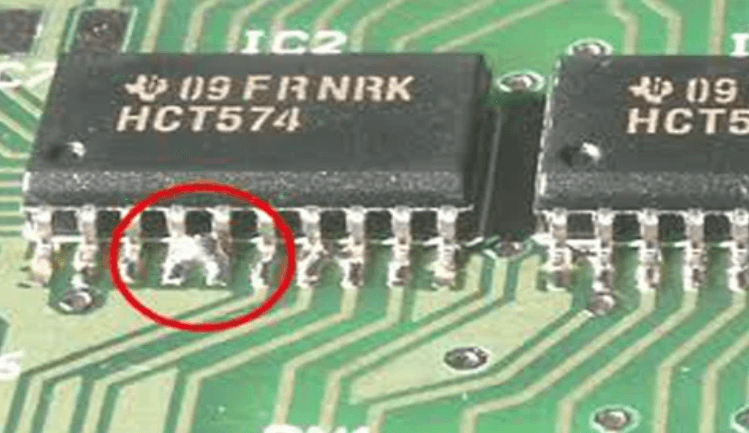
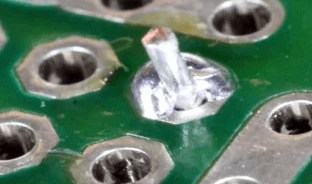
  • Solder Blowholes: Gas bubbles trapped in solder joints during reflow or wave soldering.
  • Via Cracks: Fractures in vias due to thermal stress, leading to gas expansion.
Contact us for PCB quote now |

3. Root Causes of PCB Blowholes

3.1 Material-Related Causes

  • Poor Copper Plating Quality: Inadequate electroplating thickness or uneven deposition can create weak spots where gas accumulates.
  • Substrate Moisture Absorption: Hygroscopic PCB materials (e.g., FR-4) absorb moisture, which vaporizes during soldering, causing blowholes.
  • Contaminated Surface Finish: Oxidation or impurities on copper surfaces hinder proper solder wetting, increasing void formation.

3.2 Process-Related Causes

  • Insufficient Drilling Quality: Rough or contaminated hole walls prevent uniform copper deposition.
  • Improper Electroplating Parameters: Low current density or incorrect bath chemistry leads to thin or porous copper layers.
  • Inadequate Pre-Baking: Failure to remove moisture before soldering results in steam-induced blowholes.
  • Excessive Solder Temperature: Overheating causes rapid outgassing, trapping bubbles in solder joints.

3.3 Design-Related Causes

  • Insufficient Via Aspect Ratio: High aspect ratio vias (depth/diameter) complicate plating, increasing void risks.
  • Poor Thermal Relief Design: Uneven heat distribution during soldering leads to localized gas expansion.
Contact us for PCB quote now |

4. Prevention Strategies

4.1 Material Selection and Handling

  • Use High-Quality Substrates: Low-moisture-absorption materials (e.g., high-Tg FR-4) reduce outgassing.
  • Ensure Proper Copper Plating: Implement strict thickness control (≥25µm for PTHs) and quality checks.
  • Control Storage Conditions: Store PCBs in dry environments (<30% RH) and pre-bake (105-120°C for 2-4 hours) before assembly.

4.2 Process Optimization

  • Improve Drilling and Desmearing: Use laser drilling or plasma desmearing for cleaner hole walls.
  • Optimize Electroplating: Adjust current density, bath agitation, and chemical composition for uniform deposition.
  • Reflow/Wave Soldering Control:
  • Use nitrogen (N₂) atmosphere soldering to minimize oxidation.
  • Apply proper temperature profiles (ramp-up rate: 1-3°C/sec, peak temp: 230-250°C).

4.3 Design Improvements

  • Limit Via Aspect Ratio: Maintain aspect ratios < 8:1 for reliable plating.
  • Implement Thermal Relief Pads: Reduce thermal stress on vias during soldering.
  • Use Filled Vias: Conductive or non-conductive via fills prevent gas entrapment.
Contact us for PCB quote now |

5. Inspection and Testing Methods

  • Automated Optical Inspection (AOI): Detects surface-level voids.
  • X-Ray Inspection: Identifies internal blowholes in PTHs and BGA joints.
  • Cross-Sectional Analysis: Verifies plating integrity and void distribution.

6. Conclusion

PCB blowholes stem from material, process, and design deficiencies. By adopting stringent material controls, optimizing manufacturing processes, and improving PCB design, manufacturers can significantly reduce blowhole occurrences. Continuous monitoring through advanced inspection techniques ensures long-term reliability in electronic assemblies.

Contact us for PCB quote now |
Post Tags: #aluminum clad pcb#aluminum core pcb#aluminum pcb#pcb blowholes

Post navigation

Previous Previous
Effective Handling of Analog and Digital Sections in PCBs: Managing Analog and Digital Grounds
NextContinue
How to Reduce Inductance in High-Speed PCB Routing

Search

Search

Products

  • HDI Multilayer PCB
  • Rigid Flex PCB
  • Flex pcb
  • High Frequency PCB
  • High speed pcb
  • Heavy copper PCB
  • Metal Core PCB
  • Ceramic PCB

Address

Andwin Circuits Co.,Limited
Email: sales@andwinpcb.com
Tel: +86 755 2832 9394
Fax:+86 755 2992  6717
ADD:1-2F-1217,HouDeQun Industrial park,
NanTing RD NO.56,ShaJing,BaoAn,Shenzhen 518104,GuangDong,China

Products

  • HDI Multilayer PCB
  • Rigid Flex PCB
  • Flex pcb
  • High Frequency PCB
  • High speed pcb
  • Heavy copper PCB
  • Metal Core PCB
  • Ceramic PCB

Technology

  • Blogs
  • Via in pad
  • PCB E-test
  • PCB stack up
  • Metal core PCB panelization
  • Controlled impedance PCB

CERTIFICATION

Certification >>


Copyright© 2003 - 2026 Andwin | All Rights Reserved | Powered by Andwin

Scroll to top
  • Home
  • Products
    • HDI multilayer PCB
    • Rigid Flex PCB
    • Flex pcb
    • Special PCB
      • High Frequency PCB
        • Rogers RO4350B PCB
        • Rogers RO4003 pcb
        • Rogers RO3003 PCB
        • Rogers 5880 PCB
        • DICLAD 527 PCB
        • Taconic TLX series
        • Taconic TLX-8 RF PCB
        • Taconic TLX-9 RF PCB
      • High speed pcb
        • Megtron 6 High Speed PCB
        • TU-872 SLK Sp High Speed
      • High TG PCB
        • SHENGYI SH260 PCB
        • ISOLA 370HR PCB
        • ISOLA IS410 PCB
        • ISOLA IS420 PCB
      • Heavy copper PCB
      • Copper coin pcb
      • Copper inlay PCB
    • Metal Core PCB
      • Copper core pcb
      • Aluminum PCB
      • 2 Layers Aluminum PCB
      • Direct thermal MCPCB
      • 2 Layers Direct Thermal
    • Ceramic PCB
      • DPC ceramic PCB
      • DBC ceramic PCB
      • Thick film Ceramic PCB
      • Al2O3 Alumina PCB
      • AIN ALN ceramic PCB
      • IGBT Ceramic PCB
  • Service
    • PCB Assembly
    • Quick turn PCB assembly
    • PCBA conformal coating
  • Industry
    • Telecommunication
    • IoT and Wireless
    • Industrial Control
    • Thermal management
    • Power and Energy
    • IC test board
    • Automative
    • Medical
  • Capability
    • Rigid PCB
    • Rigid flex PCB
    • Metal core PCB
    • PCB Assembly
  • Technology
    • Blogs
    • Via in pad
    • PCB E-test
    • PCB stack up
    • MCPCB panelization
    • Controlled impedance PCB
  • About
    • About us
    • Certification
    • Factory Tour
  • Contact
Search