
Skip to content
Andwin Circuits
  • Home
  • ProductsExpand
    • HDI multilayer PCB
    • Rigid Flex PCB
    • Flex pcb
    • Special PCBExpand
      • High Frequency PCBExpand
        • Rogers RO4350B PCB
        • Rogers RO4003 pcb
        • Rogers RO3003 PCB
        • Rogers 5880 PCB
        • DICLAD 527 PCB
        • Taconic TLX series
        • Taconic TLX-8 RF PCB
        • Taconic TLX-9 RF PCB
      • High speed pcbExpand
        • Megtron 6 High Speed PCB
        • TU-872 SLK Sp High Speed
      • High TG PCBExpand
        • SHENGYI SH260 PCB
        • ISOLA 370HR PCB
        • ISOLA IS410 PCB
        • ISOLA IS420 PCB
      • Heavy copper PCB
      • Copper coin pcb
      • Copper inlay PCB
    • Metal Core PCBExpand
      • Copper core pcb
      • Aluminum PCB
      • 2 Layers Aluminum PCB
      • Direct thermal MCPCB
      • 2 Layers Direct Thermal
    • Ceramic PCBExpand
      • DPC ceramic PCB
      • DBC ceramic PCB
      • Thick film Ceramic PCB
      • Al2O3 Alumina PCB
      • AIN ALN ceramic PCB
      • IGBT Ceramic PCB
  • ServiceExpand
    • PCB Assembly
    • Quick turn PCB assembly
    • PCBA conformal coating
  • IndustryExpand
    • Telecommunication
    • IoT and Wireless
    • Industrial Control
    • Thermal management
    • Power and Energy
    • IC test board
    • Automative
    • Medical
  • CapabilityExpand
    • Rigid PCB
    • Rigid flex PCB
    • Metal core PCB
    • PCB Assembly
  • TechnologyExpand
    • Blogs
    • Via in pad
    • PCB E-test
    • PCB stack up
    • MCPCB panelization
    • Controlled impedance PCB
  • AboutExpand
    • About us
    • Certification
    • Factory Tour
  • Contact
Andwin Circuits
Home / Blogs / Surface mount circuit board technology has revolutionized the electronics industry

Surface mount circuit board technology has revolutionized the electronics industry

ByAlice April 28, 2023June 20, 2024

Surface mount circuit board technology has revolutionized the electronics industry, making it possible to create smaller,
more efficient devices with greater functionality. In this article, we will explore the advantages of surface mount circuit boards,
their applications, and the manufacturing process.

Advantages of Surface Mount Circuit Boards

One of the main advantages of surface mount circuit boards is their size. Since the components are mounted directly onto the board,
there is no need for bulky through-hole components. This allows for smaller, more compact devices that can be used in a wider range of applications.
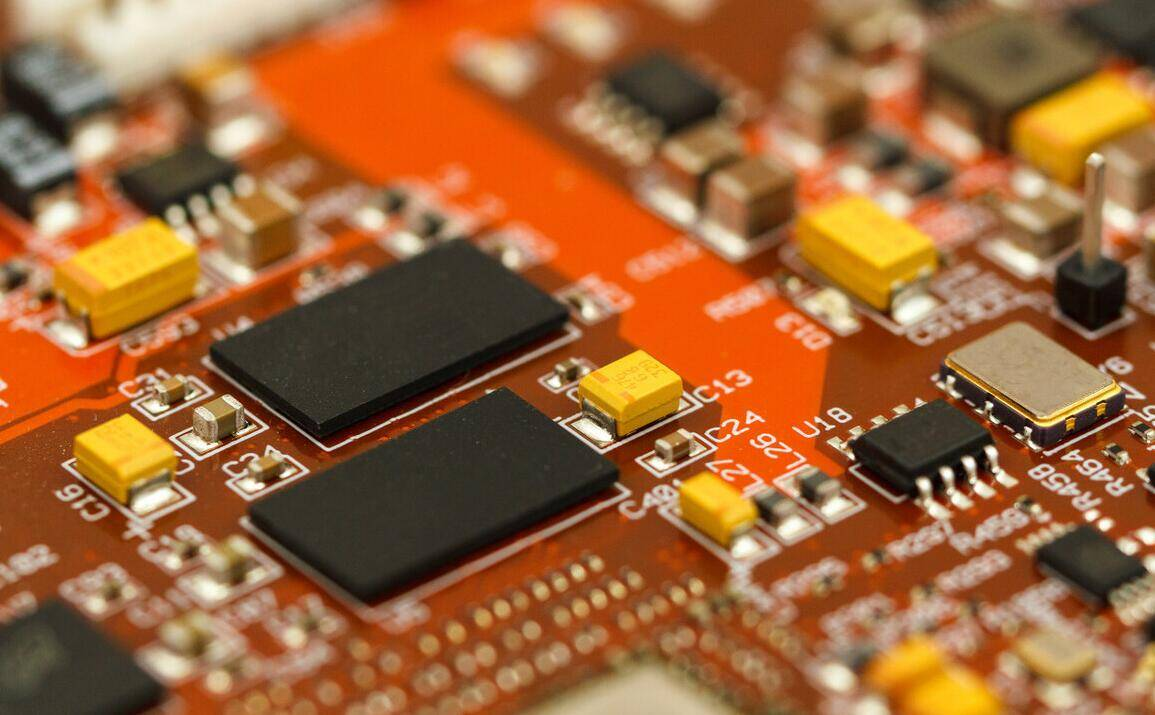
Another advantage is the increased efficiency of surface mount circuit boards.
The smaller components and shorter connections reduce the amount of power lost through resistance,
resulting in a more efficient device. This is particularly important in battery-powered devices, where every bit of energy counts.

Surface mount circuit boards are also easier and faster to manufacture than through-hole boards.
The components can be placed and soldered onto the board using automated equipment, reducing the need for manual labor.
This results in a faster turnaround time and lower manufacturing costs.

Applications of Surface Mount Circuit Boards

Surface mount circuit boards are used in a wide range of applications, from consumer electronics to medical devices.
They are commonly found in smartphones, tablets, laptops, and other portable devices, where their small size and efficiency are essential.
GET IN TOUCH!

In the medical industry, surface mount circuit boards are used in devices such as pacemakers, insulin pumps,
and blood glucose monitors. These devices require high levels of accuracy and reliability,
and surface mount technology helps to ensure that they perform as intended.

Surface mount circuit boards are also used in automotive electronics,
where they help to reduce the size and weight of electronic components.
This is particularly important in electric and hybrid vehicles, where every pound of weight saved can increase the range of the vehicle.

Manufacturing Process

The manufacturing process for surface mount circuit boards is highly automated, with most of the work being done by machines.
The process begins with the design of the circuit board, which is created using computer-aided design (CAD) software.

Once the design is complete, the board is manufactured using a process called photolithography.
This involves coating the board with a light-sensitive material and exposing it to a patterned mask.
The areas of the board that are exposed to light become chemically altered, creating a pattern that will guide the placement of the components.

The components are then placed onto the board using automated equipment.
This is done using a pick-and-place machine, which picks up the components and places them onto the board in the correct location.
The components are held in place using a solder paste, which is applied to the board before the components are placed.

Finally, the board is heated in a reflow oven, which melts the solder paste and fuses the components to the board.
The board is then inspected for defects and tested to ensure that it functions as intended.
Conclusion

Surface mount circuit board technology has revolutionized the electronics industry,
allowing for smaller, more efficient devices with greater functionality.
The advantages of surface mount technology are clear, and its applications are wide-ranging.
As technology continues to advance,
it is likely that surface mount circuit boards will play an increasingly important role in the devices we use every day.

GET IN TOUCH!

Post navigation

Previous Previous
Electronics Assembly Services: The Key to Efficient Manufacturing
NextContinue
Printed Circuit Board Assembly Companies -Welcome to Andwinpcb

Search

Search

Products

  • HDI Multilayer PCB
  • Rigid Flex PCB
  • Flex pcb
  • High Frequency PCB
  • High speed pcb
  • Heavy copper PCB
  • Metal Core PCB
  • Ceramic PCB

Address

Andwin Circuits Co.,Limited
Email: sales@andwinpcb.com
Tel: +86 755 2832 9394
Fax:+86 755 2992  6717
ADD:1-2F-1217,HouDeQun Industrial park,
NanTing RD NO.56,ShaJing,BaoAn,Shenzhen 518104,GuangDong,China

Products

  • HDI Multilayer PCB
  • Rigid Flex PCB
  • Flex pcb
  • High Frequency PCB
  • High speed pcb
  • Heavy copper PCB
  • Metal Core PCB
  • Ceramic PCB

Technology

  • Blogs
  • Via in pad
  • PCB E-test
  • PCB stack up
  • Metal core PCB panelization
  • Controlled impedance PCB

CERTIFICATION

Certification >>


Copyright© 2003 - 2026 Andwin | All Rights Reserved | Powered by Andwin

Scroll to top
  • Home
  • Products
    • HDI multilayer PCB
    • Rigid Flex PCB
    • Flex pcb
    • Special PCB
      • High Frequency PCB
        • Rogers RO4350B PCB
        • Rogers RO4003 pcb
        • Rogers RO3003 PCB
        • Rogers 5880 PCB
        • DICLAD 527 PCB
        • Taconic TLX series
        • Taconic TLX-8 RF PCB
        • Taconic TLX-9 RF PCB
      • High speed pcb
        • Megtron 6 High Speed PCB
        • TU-872 SLK Sp High Speed
      • High TG PCB
        • SHENGYI SH260 PCB
        • ISOLA 370HR PCB
        • ISOLA IS410 PCB
        • ISOLA IS420 PCB
      • Heavy copper PCB
      • Copper coin pcb
      • Copper inlay PCB
    • Metal Core PCB
      • Copper core pcb
      • Aluminum PCB
      • 2 Layers Aluminum PCB
      • Direct thermal MCPCB
      • 2 Layers Direct Thermal
    • Ceramic PCB
      • DPC ceramic PCB
      • DBC ceramic PCB
      • Thick film Ceramic PCB
      • Al2O3 Alumina PCB
      • AIN ALN ceramic PCB
      • IGBT Ceramic PCB
  • Service
    • PCB Assembly
    • Quick turn PCB assembly
    • PCBA conformal coating
  • Industry
    • Telecommunication
    • IoT and Wireless
    • Industrial Control
    • Thermal management
    • Power and Energy
    • IC test board
    • Automative
    • Medical
  • Capability
    • Rigid PCB
    • Rigid flex PCB
    • Metal core PCB
    • PCB Assembly
  • Technology
    • Blogs
    • Via in pad
    • PCB E-test
    • PCB stack up
    • MCPCB panelization
    • Controlled impedance PCB
  • About
    • About us
    • Certification
    • Factory Tour
  • Contact
Search