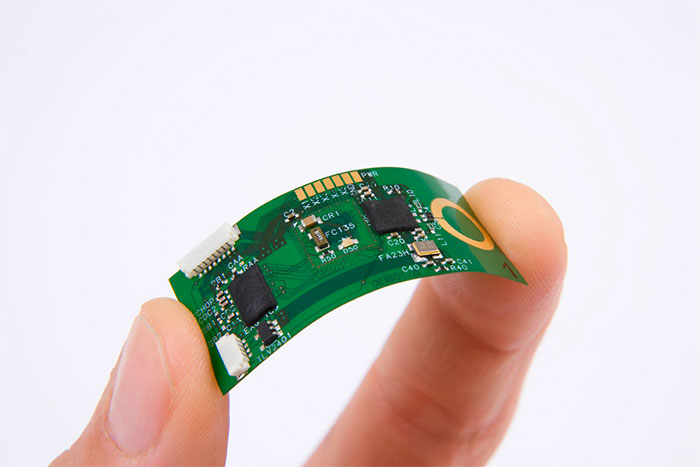
flex pcb

  • flex and rigid flex pcb

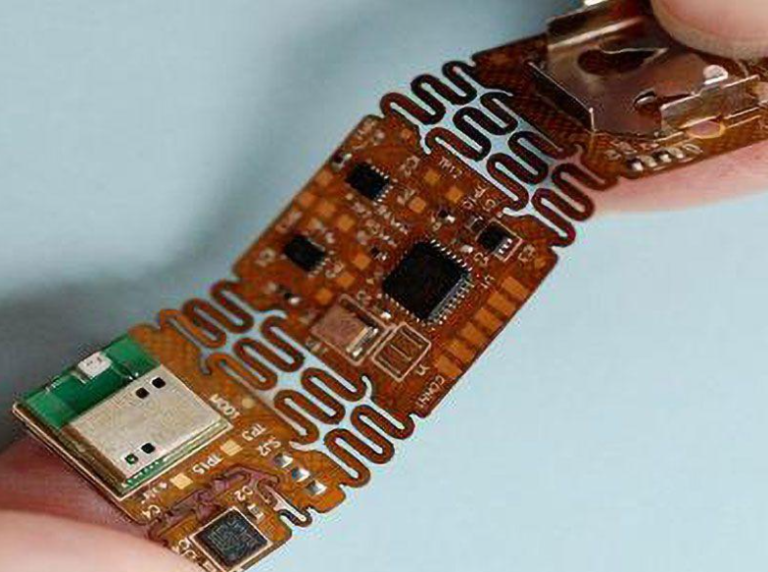
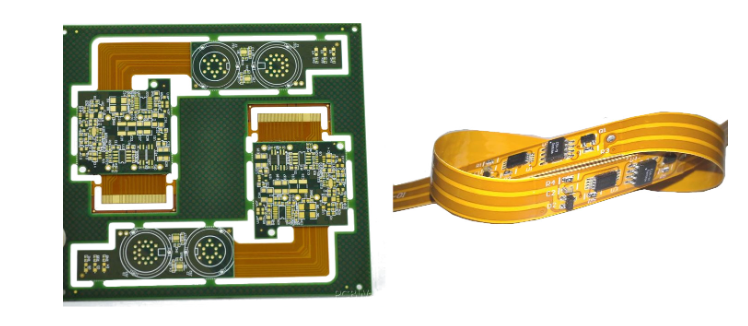
    Advantages Of Using Flex and rigid flex pcb In Modern Electronics Flex and rigid-flex pcb printed circuit boards (PCBs) have become increasingly integral to the development of modern electronics, offering a range of advantages that cater to the evolving demands of contemporary technology. One of the primary benefits of flex PCBs is their ability to…

  • Flat flex pcb

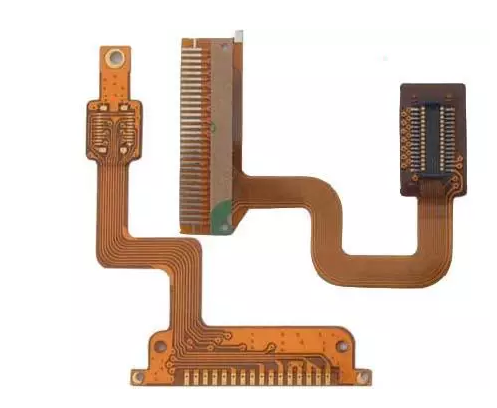
    Advantages Of Using Flat Flex PCBs In Modern Electronics Flat flex printed circuit boards (PCBs) have become increasingly prevalent in modern electronics due to their numerous advantages over traditional rigid PCBs. These flexible circuits offer a range of benefits that make them particularly suitable for contemporary electronic devices, which demand compactness, reliability, and versatility. One…

  • Fix flex pcb

    Common Issues and Solutions in Fix Flex PCBs Flex PCBs, or flexible printed circuit boards, are increasingly popular in modern electronics due to their versatility, lightweight nature, and ability to fit into compact spaces. However, like any technology, they are not without their challenges. Understanding common issues and their solutions is crucial for ensuring the…

  • Expose copper flex pcb

    Advantages Of Using Expose Copper Flex PCB In Modern Electronics Expose copper flex PCBs, or flexible printed circuit boards, have become increasingly integral in the realm of modern electronics. These advanced components offer a multitude of advantages that cater to the evolving demands of contemporary electronic devices. One of the primary benefits of expose copper…

  • |

    Dynamic flex pcb

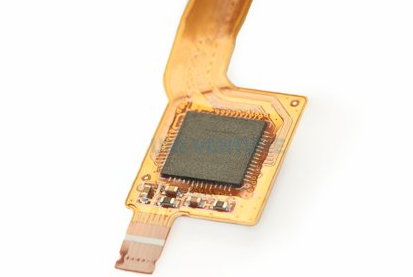
    Dynamic flex PCB, or flexible printed circuit boards, have become increasingly integral to the advancement of modern electronics. These innovative components offer a multitude of advantages that make them indispensable in various applications, ranging from consumer electronics to industrial machinery. One of the primary benefits of dynamic flex PCBs is their inherent flexibility, which allows for more compact and versatile designs. Unlike traditional rigid PCBs, dynamic flex PCBs can be bent, folded, and twisted without compromising their functionality. This flexibility enables designers to create more intricate and space-efficient electronic devices, which is particularly valuable in the development of wearable technology, medical devices, and compact consumer electronics.

  • |

    Double sided flex pcb

    Double sided flexible printed circuit boards (PCBs) have become increasingly integral to the advancement of modern electronics, offering a multitude of advantages that cater to the evolving demands of contemporary technology. These PCBs, characterized by their ability to accommodate conductive pathways on both sides of a flexible substrate, present a unique combination of flexibility, durability, and efficiency that traditional rigid PCBs cannot match.

  • Design flex pcb

    Advantages Of Using Flexible PCBs In Modern Electronics In the ever-evolving landscape of modern electronics, the demand for more compact, efficient, and versatile devices has led to significant advancements in the design and implementation of printed circuit boards (PCBs). Among these innovations, flexible PCBs, or flex PCBs, have emerged as a game-changer, offering a myriad…

  • bend radius flex pcb

    Innovations In Benchmark PCB Manufacturing Techniques Benchmark PCB manufacturing has undergone significant advancements in recent years, driven by the need for higher performance, greater reliability, and more efficient production processes. One of the most notable innovations in this field is the development of high-density interconnect (HDI) technology. HDI PCBs are characterized by their finer lines…

  • | |

    altium flex pcb bending

    When designing flexible circuit boards (Flex PCBs), following best practices is key to ensuring their performance and reliability. First, choosing the right material is critical. Polyimide is the most commonly used substrate because of its excellent thermal stability and mechanical strength. In addition, the thickness of the copper foil also needs to be carefully considered. Thinner copper foil can improve flexibility but may affect conductive properties. Therefore, designers need to find a balance between flexibility and electrical performance.

  • altium create flex pcb

    In modern electronic design, flexible printed circuit boards (Flex PCB) are becoming more and more popular due to their unique advantages. As a powerful electronic design automation software, Altium Designer provides designers with comprehensive tools to create flexible PCBs. This article will introduce the basic steps to create flexible PCBs in Altium Designer in detail to help designers better master this process.

  • |

    Advanced circuits flex pcb

    Flexible PCB Design Tips in Advanced circuits flex pcb design, flexible printed circuit boards (Flex PCBs) are favored for their unique advantages. First, the design of flexible PCBs needs to consider their physical properties. Unlike traditional rigid PCBs, flexible PCBs can be bent and folded, which makes them particularly useful in space-constrained applications. However, this…

  • 2 layer flex pcb

    All electronic products use PCBs, and the market trend of PCBs is almost a weathervane for the electronics industry. With the development of high-end and miniaturized electronic products such as mobile phones, laptops and PDAs, the demand for flexible PCBs (FPCs) is increasing. PCB manufacturers are accelerating the development of thinner, lighter and denser FPCs….

  • flex pcb board

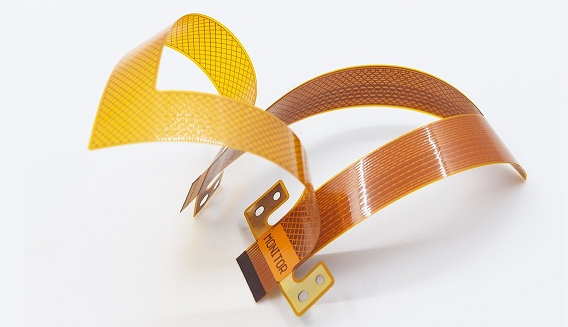
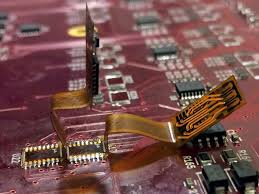
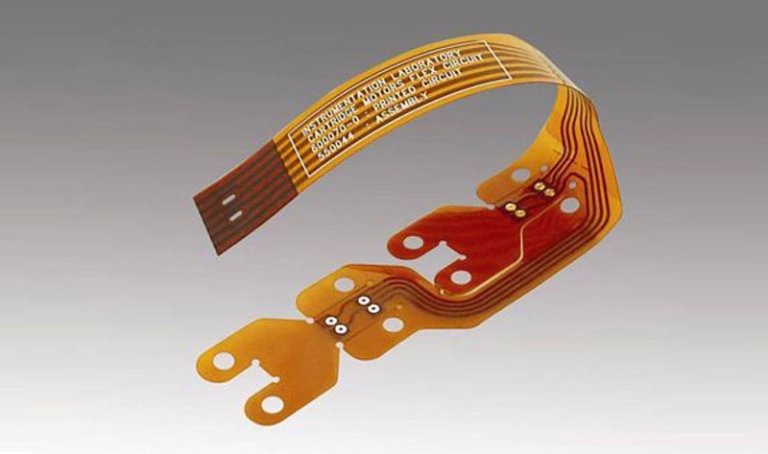
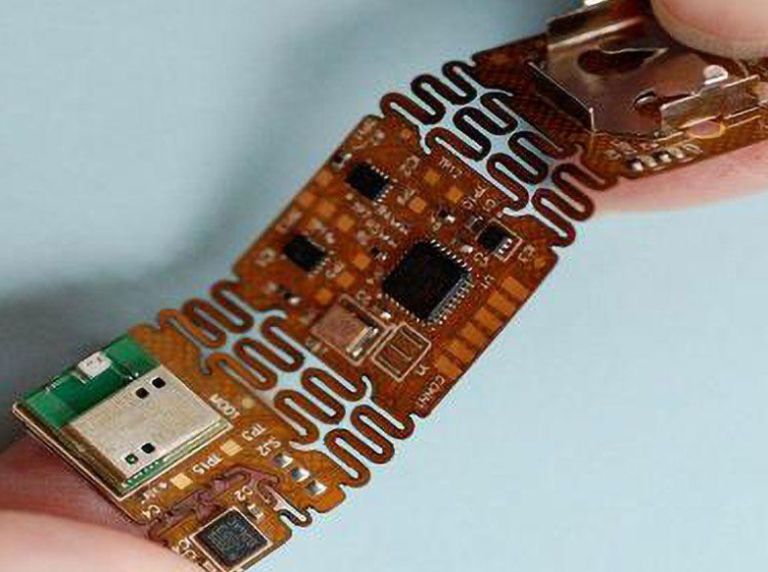
    What is a flex PCB? Flexible PCB (full name: Flexible Printed Circuit Board) refers to a circuit board that can be bent or flexed to fit into tight spaces or unique shapes. These PCBs are usually made of soft plastic substrates. They also use flexible copper conductors to carry electrical signals.Flexible PCB boards are designed…