
The Application of MES Systems in PCB Assembly Industry
Abstract
This paper explores the comprehensive application of Manufacturing Execution Systems (MES) in the Printed Circuit Board (PCB) assembly industry. As electronic products become increasingly complex and demand for rapid customization grows, PCB manufacturers are turning to MES solutions to enhance production efficiency, improve quality control, and enable real-time monitoring. The article examines key functionalities of MES in PCB assembly, implementation challenges, benefits realized, and future trends in this technological integration.
1. Introduction to MES in PCB Manufacturing
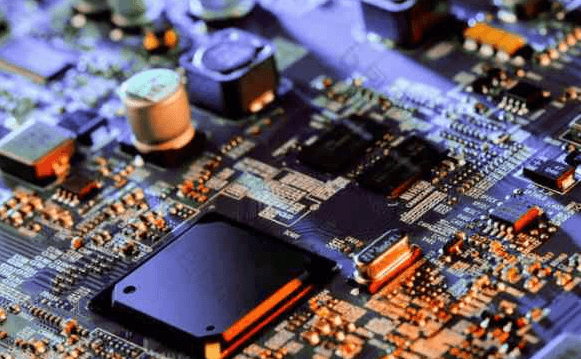
The PCB assembly industry faces unique challenges that make Manufacturing Execution Systems particularly valuable. PCB manufacturing involves complex processes including solder paste application, component placement, reflow soldering, inspection, and testing. Each step requires precise control and documentation to ensure final product quality.
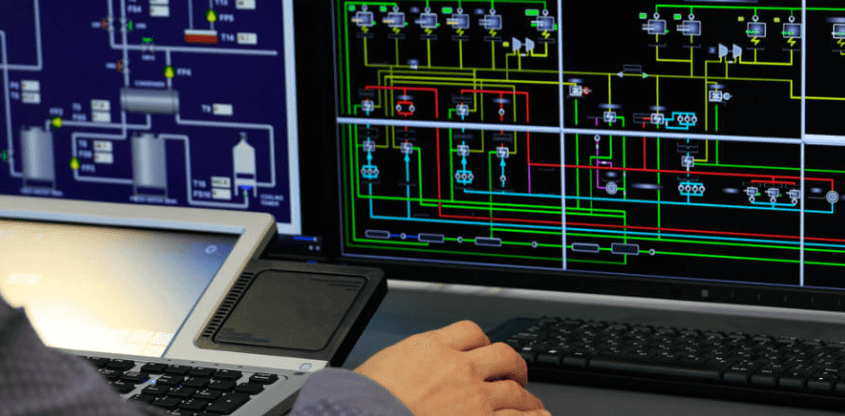
MES serves as the critical link between enterprise resource planning (ERP) systems and shop floor control systems in PCB manufacturing. It provides real-time visibility into production processes while collecting detailed data that can be used for process optimization and quality improvement.
According to recent industry surveys, over 65% of medium-to-large PCB assembly operations have implemented or are in the process of implementing MES solutions, recognizing their potential to address several industry pain points:
- Increasing product complexity with shrinking form factors
- Growing quality and traceability requirements
- Demand for mixed-model, high-mix production
- Regulatory compliance pressures
- Need for real-time production monitoring
2. Key Functionalities of MES in PCB Assembly
2.1 Production Scheduling and Dispatching
PCB assembly lines typically handle numerous product variants with different component requirements. MES systems optimize production scheduling by:
- Automating work order release based on material availability
- Sequencing jobs to minimize changeover times
- Balancing workload across SMT lines
- Providing visual scheduling interfaces for operators
Advanced MES solutions incorporate machine learning algorithms to continuously improve scheduling efficiency based on historical performance data.

2.2 Material Tracking and Management
Component management represents a critical challenge in PCB assembly due to:
- Hundreds of unique components per board
- Miniaturized packages (0201, 01005, etc.)
- Moisture-sensitive devices (MSDs) requiring special handling
- High-value components needing strict control
MES addresses these challenges through:
- Barcode/RFID tracking of reels and trays
- Shelf-life monitoring for time-sensitive materials
- Automated alerts for component shortages
- Real-time inventory visibility
- Feeder setup verification
2.3 Process Control and Monitoring
Modern PCB assembly requires tight control over numerous process parameters:
- Solder paste printing (stencil pressure, speed, separation)
- Reflow oven temperature profiles
- AOI (Automated Optical Inspection) parameters
- ICT (In-Circuit Test) limits
MES systems maintain optimal process parameters by:
- Storing approved recipes for each product
- Enforcing change control for parameter adjustments
- Correlating process data with quality outcomes
- Providing real-time SPC (Statistical Process Control)
2.4 Quality Management
Quality assurance in PCB assembly involves multiple inspection points:
- Solder paste inspection (SPI)
- Post-placement inspection
- Post-reflow AOI
- Functional testing
MES enhances quality management through:
- Automated defect classification
- Root cause analysis tools
- Non-conformance tracking
- Quality trend reporting
- First-pass yield monitoring
2.5 Traceability and Compliance
Regulatory requirements (e.g., automotive, medical, aerospace) demand complete traceability:
- Component-level traceability (lot codes, date codes)
- Process parameter history
- Equipment and operator associations
- Environmental conditions
MES creates comprehensive electronic records including:
- Full material genealogy
- Process data logs
- Inspection results
- Rework history
- Test data
3. Implementation Challenges and Solutions
While MES offers significant benefits, PCB manufacturers face several implementation challenges:
3.1 System Integration Complexity
PCB assembly involves numerous equipment types from different vendors:
- SMT placement machines
- SPI/AOI systems
- Reflow ovens
- Test equipment
Solution approaches:
- Adopt MES with robust machine connectivity options
- Utilize industry standards (SECS/GEM, OPC UA)
- Implement middleware for legacy equipment
3.2 Data Volume Management
A single SMT line can generate thousands of data points per minute.
Effective strategies:
- Edge computing for local data processing
- Data filtering to capture only relevant parameters
- Cloud-based storage for historical data
3.3 Organizational Change Management
Transitioning from paper-based or disconnected systems requires:
- Comprehensive user training programs
- Phased implementation approach
- Clear communication of benefits
- Super-user development
4. Measurable Benefits of MES Implementation
PCB manufacturers report significant improvements after MES implementation:
Operational Efficiency:
- 15-30% reduction in setup times
- 20-40% decrease in WIP (Work In Progress)
- 10-25% improvement in equipment utilization
Quality Improvements:
- 30-50% reduction in defects
- 25-45% faster defect detection
- 15-30% improvement in first-pass yield
Business Benefits:
- 20-35% faster time-to-market for new products
- Complete electronic traceability for compliance
- Enhanced customer satisfaction through quality transparency
5. Future Trends in MES for PCB Assembly
Emerging technologies are shaping the next generation of MES solutions:
5.1 AI and Machine Learning Integration
- Predictive quality analytics
- Intelligent defect classification
- Self-optimizing processes
5.2 Digital Twin Technology
- Virtual production line modeling
- What-if scenario analysis
- Predictive maintenance
5.3 Augmented Reality (AR) Interfaces
- Guided operator assistance
- Remote expert support
- Visual work instructions
5.4 Blockchain for Supply Chain
- Secure component provenance tracking
- Automated compliance documentation
- Smart contract execution
6. Conclusion
The implementation of MES systems in PCB assembly has transitioned from a competitive advantage to an industry necessity. As products become more complex and quality expectations rise, manufacturers cannot rely on manual processes or disconnected systems. Modern MES solutions provide the real-time visibility, control, and traceability required to compete in today’s electronics manufacturing landscape.
Successful implementations demonstrate that MES delivers measurable improvements across all key performance indicators while providing the foundation for Industry 4.0 transformation. PCB manufacturers should view MES not just as an IT project, but as a strategic initiative that can fundamentally enhance their operational capabilities and market position.
The future will see MES evolving into more intelligent, connected systems that further blur the lines between physical production and digital optimization. PCB manufacturers who embrace these technologies today will be best positioned to lead the industry tomorrow.