
The Comprehensive Guide to PCB Push Button Switches
Introduction to PCB Push Button Switches
Printed Circuit Board (PCB) push button switches are among the most fundamental yet crucial components in modern electronics. These small electromechanical devices serve as the primary interface between users and electronic systems, allowing for manual control input in everything from consumer appliances to industrial machinery. PCB push buttons have evolved significantly since their inception, offering engineers a wide range of options in terms of size, actuation force, durability, and functionality.
A PCB push button is specifically designed to be mounted directly onto a printed circuit board, distinguishing it from panel-mounted switches that require separate mounting hardware. This direct mounting approach simplifies assembly processes and reduces overall system size—two critical factors in today’s electronics manufacturing landscape where miniaturization and efficiency are paramount.
Types of PCB Push Button Switches
1. Tactile Push Buttons
Tactile push buttons are characterized by their distinct “click” feedback when pressed, providing physical confirmation to the user that the switch has been actuated. These switches typically have:
- Short travel distance (usually 0.1-0.3mm)
- Clear operational feedback
- Moderate actuation force (about 160-250gf)
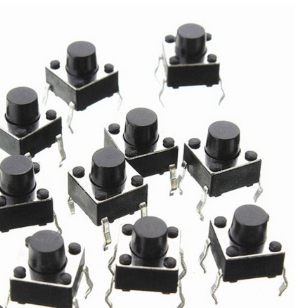
- Compact sizes (common footprints of 3x3mm, 4x4mm, 6x6mm)
2. Non-Tactile Push Buttons
These switches operate with a smooth press without the pronounced click of tactile versions. They’re often used in applications where:
- Silent operation is preferred
- Multiple rapid presses might occur
- A softer feel is desired for user experience
3. Illuminated Push Buttons
Incorporating LED indicators, these switches serve dual purposes:
- Provide visual feedback of switch state (on/off)
- Enhance visibility in low-light conditions
- Available in various colors (red, green, blue, white, etc.)
- Can be configured for different illumination patterns (steady, blinking)
4. Sealed/Push Button Switches
Designed for harsh environments, these feature:
- IP67 or higher ingress protection ratings
- Resistance to dust, moisture, and chemicals
- Enhanced durability (up to 1 million cycles)
- Often used in industrial, automotive, and outdoor applications
5. SMD vs. Through-Hole Push Buttons
The mounting style significantly impacts manufacturing processes:
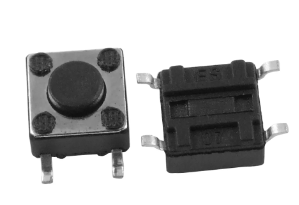
Surface Mount Device (SMD):
- Allows for automated PCB assembly
- Saves space on both sides of the board
- Typically smaller profiles
- Requires precise soldering techniques
Through-Hole:
- Provides stronger mechanical connection
- Easier for manual assembly and prototyping
- Generally more robust for high-force applications
- Requires PCB holes and additional soldering
Technical Specifications and Selection Criteria
1. Electrical Characteristics
- Contact Rating: Current/voltage capacity (commonly 50mA-1A at 12-24VDC)
- Contact Material: Gold plating for low resistance, silver for higher current
- Contact Configuration: SPST (single pole single throw) most common, others available
2. Mechanical Properties
- Actuation Force: Ranges from 50gf (light touch) to 500gf (positive action)
- Travel Distance: Typically 0.1mm to 1.0mm for PCB-mounted versions
- Operating Life: Varies from 10,000 to 1,000,000 cycles depending on quality
3. Physical Dimensions
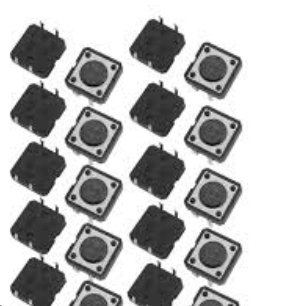
- Standard Sizes: 3x3mm, 4x4mm, 6x6mm, 8x8mm, 12x12mm
- Height Profiles: Low-profile (2-3mm) to standard (5-8mm)
- Actuator Styles: Flat, domed, recessed, or custom shapes
4. Environmental Considerations
- Operating Temperature Range: -40°C to +85°C for industrial grades
- IP Rating: From none to IP68 for sealed versions
- Chemical Resistance: Important for medical or automotive applications
Design Considerations for PCB Push Button Implementation
1. PCB Layout Guidelines
- Maintain proper clearance around switch footprint
- Include mounting holes or supports for switches requiring additional stability
- Consider ESD protection for exposed metal components
- Account for any required LED current limiting resistors
2. Switch Debouncing
Mechanical switches inherently produce contact bounce—multiple rapid transitions during a single press. Solutions include:
- Hardware debouncing (RC filters, Schmitt triggers)
- Software debouncing (delay-based or counting algorithms)
- Combination approaches for critical applications
3. Tactile Feedback Optimization
The user experience can be enhanced by:
- Matching actuation force to application requirements
- Considering actuator shape and surface texture
- Ensuring consistent performance across all buttons in an array
4. Reliability Enhancements
- Use gold-plated contacts for low-current applications
- Specify appropriate environmental protection
- Consider redundant contacts for critical functions
- Implement proper strain relief for connections
Advanced Push Button Technologies
1. Capacitive Touch Alternatives
While not mechanical push buttons, capacitive touch interfaces offer:
- No moving parts (higher reliability)
- Smooth, sealed surfaces
- Multi-touch capabilities
- Customizable sensitivity
2. Piezoelectric Push Buttons
These innovative switches:
- Generate voltage when mechanically stressed
- Require minimal physical movement
- Offer excellent durability
- Provide unique tactile feedback options
3. Smart Push Buttons
Incorporating additional functionality:
- Integrated controllers for advanced features
- Programmable illumination patterns
- Built-in debouncing or signal conditioning
- Communication capabilities (I²C, SPI)
Manufacturing and Quality Considerations
1. Material Selection
- Housing: Thermoplastics (PBT, nylon) for most, metal for heavy-duty
- Actuator: Various plastics or metal depending on requirements
- Contacts: Gold, silver, or other alloys based on electrical needs
2. Production Processes
- Precision molding for consistent quality
- Automated assembly for high-volume production
- 100% electrical testing for critical applications
- Environmental stress screening for mil-spec products
3. Quality Standards
- ISO 9001 certification for quality management
- UL/ENEC certification for safety
- RoHS/REACH compliance for environmental standards
- IPC standards for solderability and PCB compatibility
Application-Specific Considerations
1. Consumer Electronics
- Emphasis on aesthetics and feel
- Low-profile designs
- Integration with touchscreens and other interfaces
2. Industrial Controls
- High durability requirements
- Environmental sealing
- Large actuator sizes for gloved operation
3. Medical Devices
- Enhanced cleaning compatibility
- Tactile differentiation for blind operation
- Special materials for biocompatibility
4. Automotive Applications
- Vibration resistance
- Wide temperature operation
- Custom backlighting for dashboards
Future Trends in PCB Push Button Technology
1. Miniaturization
Continued demand for smaller components drives development of:
- Micro push buttons (<2mm square)
- Ultra-low profile designs
- High-density packaging solutions
2. Enhanced Integration
Combining multiple functions in single packages:
- Buttons with integrated LEDs and drivers
- Switch arrays with multiplexing support
- Combined mechanical and capacitive elements
3. Smart Materials
Development of new materials offering:
- Self-cleaning surfaces
- Adaptive tactile feedback
- Environmental sensing capabilities
4. Sustainability
Eco-friendly initiatives leading to:
- Recyclable materials
- Reduced hazardous substances
- Longer lifespan designs
Conclusion
PCB push button switches remain indispensable components in electronic design despite the proliferation of alternative input methods. Their simplicity, reliability, and tactile feedback ensure continued relevance across countless applications. As technology advances, push buttons evolve to meet new challenges—offering smaller sizes, smarter features, and greater durability while maintaining the fundamental user interface benefits that have made them ubiquitous.
Understanding the wide range of available options, their technical specifications, and proper implementation techniques enables designers to select and integrate the ideal push button solutions for their specific applications. From consumer gadgets to industrial control systems, the humble PCB push button continues to play a vital role in bridging the gap between human operators and electronic systems.