
Understanding and Addressing White Residues on PCBs
Introduction
Printed Circuit Boards (PCBs) are essential components in modern electronics, providing mechanical support and electrical connections for various electronic components. However, during manufacturing, assembly, or operation, PCBs can develop defects that affect performance and reliability. One common issue is the appearance of white residues on the PCB surface. These residues can lead to electrical failures, corrosion, and reduced lifespan of the board if not properly addressed.
This article explores the causes, effects, and solutions for white residues on PCBs, providing insights for engineers, manufacturers, and quality control professionals.
1. What Are White Residues on PCBs?
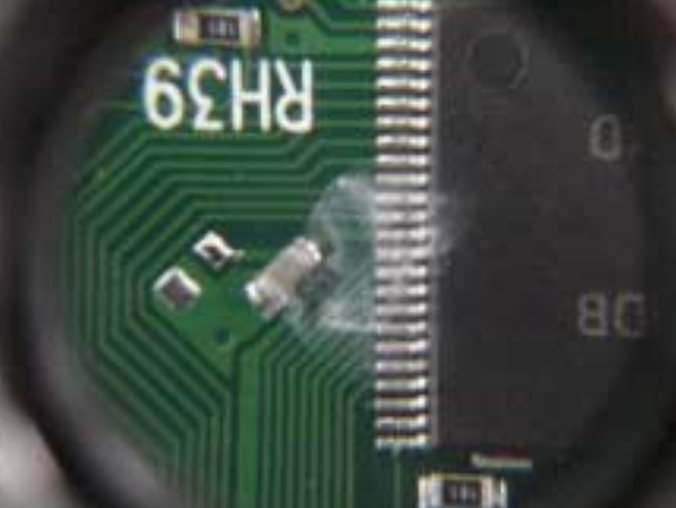
White residues on PCBs are typically ionic or non-ionic contaminants that appear as powdery or crystalline deposits on the board’s surface. They can form during manufacturing, soldering, cleaning, or even in the field due to environmental exposure.
Common Characteristics:
- Appearance: Chalky white, sometimes yellowish or translucent.
- Texture: Powdery, sticky, or crystalline.
- Locations: Near solder joints, under components, or along traces.
2. Causes of White Residues
Several factors contribute to the formation of white residues on PCBs:
A. Flux Residues
- No-clean fluxes are designed to leave minimal residues, but improper heating or insufficient cleaning can leave white deposits.
- Rosin-based fluxes can degrade over time, forming white crystalline residues.
B. Inadequate Cleaning
- Incomplete removal of cleaning solvents (e.g., isopropyl alcohol) can leave behind white streaks.
- Water-soluble flux residues may crystallize if not thoroughly rinsed.
C. Contaminated PCB Fabrication
- Poor laminate quality can lead to outgassing, leaving white spots.
- Improper handling (e.g., fingerprints, oils) introduces contaminants.
D. Environmental Factors
- Humidity and moisture absorption can cause hydrolysis of flux residues.
- Thermal cycling may cause flux byproducts to migrate and solidify.
E. Chemical Reactions
- Ionic contamination (e.g., chlorides, sulfates) from processing chemicals can form conductive residues.
- Oxidation of metals (e.g., copper, tin) can produce white corrosion products.
3. Effects of White Residues on PCB Performance
White residues are not just cosmetic; they can significantly impact PCB functionality:
A. Electrical Failures
- Conductive residues can cause leakage currents or short circuits.
- Insulating residues may increase contact resistance.
B. Corrosion and Dendrite Growth
- Ionic residues attract moisture, leading to electrochemical migration (dendrites).
- Corrosion of copper traces weakens conductivity.
C. Reduced Solderability
- Residues can interfere with solder adhesion, causing poor wetting or voids.
- Reflow soldering issues may arise due to trapped contaminants.
D. Long-Term Reliability Issues
- Delamination of PCB layers due to chemical attack.
- Increased risk of failure in harsh environments (high humidity, temperature).
4. How to Identify White Residues
Proper diagnosis is crucial for effective remediation:
A. Visual Inspection
- Use magnification (microscope) to detect fine residues.
- UV light inspection can reveal fluorescent flux residues.
B. Ionic Contamination Testing
- Resistivity of Solvent Extract (ROSE) testing measures ionic contamination levels.
- Ion Chromatography (IC) identifies specific contaminants (e.g., chlorides, sulfates).
C. Surface Analysis Techniques
- Fourier Transform Infrared Spectroscopy (FTIR) identifies organic residues.
- Scanning Electron Microscopy (SEM) examines residue morphology.
5. Prevention and Mitigation Strategies
To avoid white residues, follow best practices in PCB manufacturing and assembly:
A. Proper Cleaning Techniques
- Ultrasonic cleaning for thorough flux removal.
- Use of compatible solvents (e.g., alcohol-based cleaners for no-clean flux).
- Deionized (DI) water rinsing for water-soluble fluxes.
B. Optimized Soldering Processes
- Controlled reflow profiles to fully activate and burn off flux.
- Select low-residue fluxes for critical applications.
C. PCB Material Selection
- High-quality laminates with low outgassing properties.
- Conformal coatings to protect against environmental exposure.
D. Environmental Controls
- Humidity-controlled storage to prevent moisture absorption.
- ESD-safe handling to avoid contamination from oils and particulates.
E. Post-Assembly Inspection & Testing
- Automated Optical Inspection (AOI) for residue detection.
- Environmental stress testing (e.g., THB – Temperature Humidity Bias) to assess reliability.
6. How to Remove White Residues
If residues are already present, consider these removal methods:
A. Mechanical Cleaning
- Soft brushing with fiber-free wipes.
- Micro-abrasive blasting for stubborn deposits.
B. Chemical Cleaning
- Isopropyl alcohol (IPA) wiping for organic residues.
- Specialized flux removers for hardened residues.
C. Advanced Cleaning Methods
- Plasma cleaning for ultra-fine contamination.
- CO₂ snow cleaning for non-abrasive removal.
D. Rework and Repair
- Localized reflow to burn off residues.
- Component replacement if corrosion is severe.
7. Industry Standards and Best Practices
To ensure PCB reliability, adhere to these standards:
- IPC-A-610 (Acceptability of Electronic Assemblies) – Defines cleanliness requirements.
- IPC-J-STD-001 (Soldering Requirements) – Specifies flux and cleaning guidelines.
- ISO 14644 (Cleanroom Standards) – For contamination control in manufacturing.
8. Conclusion
White residues on PCBs are a common but preventable issue that can lead to serious reliability problems. By understanding their causes, implementing proper cleaning techniques, and adhering to industry standards, manufacturers can ensure high-quality, long-lasting PCBs. Regular inspection and testing are essential to detect and mitigate residues before they compromise performance.
For mission-critical applications, investing in advanced cleaning technologies and high-quality materials is crucial. By following these best practices, the electronics industry can minimize white residue-related failures and enhance product reliability.