
Skip to content
Andwin Circuits
  • Home
  • ProductsExpand
    • HDI multilayer PCB
    • Rigid Flex PCB
    • Flex pcb
    • Special PCBExpand
      • High Frequency PCBExpand
        • Rogers RO4350B PCB
        • Rogers RO4003 pcb
        • Rogers RO3003 PCB
        • Rogers 5880 PCB
        • DICLAD 527 PCB
        • Taconic TLX series
        • Taconic TLX-8 RF PCB
        • Taconic TLX-9 RF PCB
      • High speed pcbExpand
        • Megtron 6 High Speed PCB
        • TU-872 SLK Sp High Speed
      • High TG PCBExpand
        • SHENGYI SH260 PCB
        • ISOLA 370HR PCB
        • ISOLA IS410 PCB
        • ISOLA IS420 PCB
      • Heavy copper PCB
      • Copper coin pcb
      • Copper inlay PCB
    • Metal Core PCBExpand
      • Copper core pcb
      • Aluminum PCB
      • 2 Layers Aluminum PCB
      • Direct thermal MCPCB
      • 2 Layers Direct Thermal
    • Ceramic PCBExpand
      • DPC ceramic PCB
      • DBC ceramic PCB
      • Thick film Ceramic PCB
      • Al2O3 Alumina PCB
      • AIN ALN ceramic PCB
      • IGBT Ceramic PCB
  • ServiceExpand
    • PCB Assembly
    • Quick turn PCB assembly
    • PCBA conformal coating
  • IndustryExpand
    • Telecommunication
    • IoT and Wireless
    • Industrial Control
    • Thermal management
    • Power and Energy
    • IC test board
    • Automative
    • Medical
  • CapabilityExpand
    • Rigid PCB
    • Rigid flex PCB
    • Metal core PCB
    • PCB Assembly
  • TechnologyExpand
    • Blogs
    • Via in pad
    • PCB E-test
    • PCB stack up
    • MCPCB panelization
    • Controlled impedance PCB
  • AboutExpand
    • About us
    • Certification
    • Factory Tour
  • Contact
Andwin Circuits
Home / Blogs / Rigid and Flex PCB: The Evolution of Circuit Board Technology

Rigid and Flex PCB: The Evolution of Circuit Board Technology

ByIvy July 4, 2023June 24, 2024

In the world of electronics, printed circuit boards (PCBs) play a crucial role in connecting various electronic components. Over the years, PCB technology has witnessed significant advancements, leading to the development of rigid and flex PCBs.

These two types of PCBs have revolutionized the electronics industry by offering enhanced design flexibility, improved durability, and space-saving capabilities. In this article, we will delve into the intricacies of rigid and flex PCBs, exploring their features, applications, and the benefits they bring to the table.

Rigid PCBs, as the name suggests, are inflexible circuit boards made from rigid materials such as fiberglass or composite epoxy. They are widely used in electronic devices where the components need to be securely mounted and protected.

Rigid PCBs offer excellent mechanical strength and stability, making them suitable for applications that require high reliability and durability. These PCBs are commonly found in consumer electronics, automotive systems, aerospace equipment, and industrial machinery.
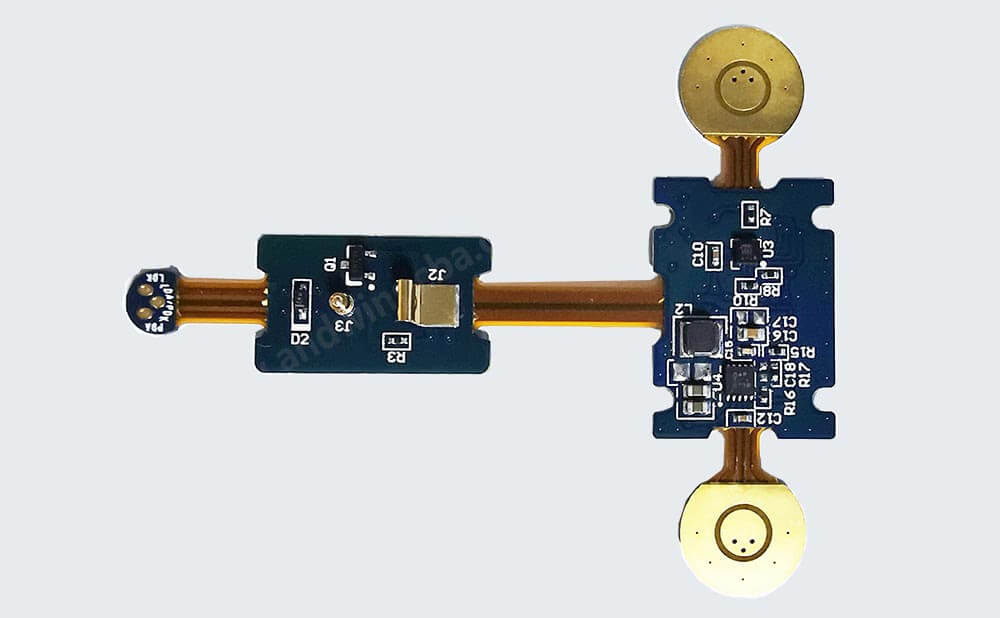
On the other hand, flex PCBs, also known as flexible PCBs or flex circuits, are designed to be highly flexible, allowing them to bend, twist, or fold to fit into tight spaces or irregular shapes. Flex PCBs are made using flexible plastic materials like polyimide or polyester.

They offer a unique combination of flexibility, lightweight construction, and high-density circuitry. This makes them ideal for applications where space is limited, such as mobile devices, medical equipment, wearable technology, and automotive electronics.

One of the key advantages of rigid PCBs is their ability to support complex circuit designs. The rigid nature of these boards allows for the integration of multiple layers, enabling designers to create intricate circuits with high component density.

Rigid PCBs also provide excellent heat dissipation, making them suitable for power-intensive applications. Additionally, the rigid construction ensures better protection against environmental factors such as moisture, dust, and vibrations, enhancing the overall reliability of the electronic system.
GET IN TOUCH!

Flex PCBs, on the other hand, offer unparalleled design flexibility. Their ability to bend and conform to different shapes allows for the creation of compact and lightweight electronic devices. Flex PCBs can be manufactured using a variety of techniques, including single-sided, double-sided, and multilayer constructions. This versatility allows designers to optimize the layout and routing of the circuit,

reducing the overall size and weight of the device. Moreover, the elimination of connectors and cables in flex PCBs reduces the risk of signal loss and improves the overall signal integrity.

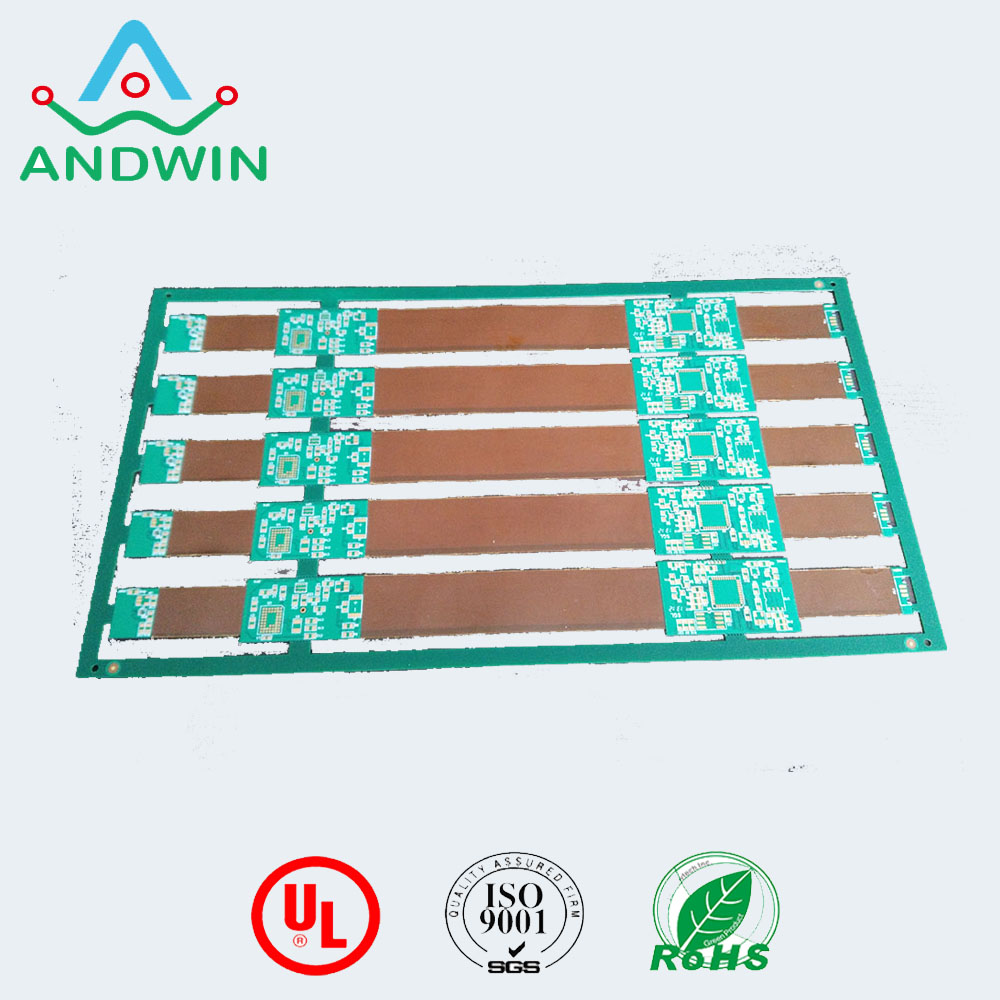
Both rigid and flex PCBs have their unique advantages, and the choice between them depends on the specific requirements of the application. However, in recent years, there has been a growing trend towards combining the benefits of both rigid and flex PCBs.

This has led to the emergence of hybrid PCBs, which feature a combination of rigid and flexible sections. Hybrid PCBs offer the best of both worlds, allowing for complex circuitry in rigid areas while providing flexibility in other sections, enhancing the overall functionality and reliability of the electronic system.

In conclusion, the evolution of PCB technology has given rise to rigid and flex PCBs, each with its own set of advantages and applications. Rigid PCBs offer stability, durability, and high component density, making them suitable for a wide range of industries.

Flex PCBs, on the other hand, provide design flexibility, space-saving capabilities, and lightweight construction, making them ideal for compact and portable electronic devices. The emergence of hybrid PCBs further expands the possibilities in electronic design. As technology continues to advance, the demand for both rigid and flex PCBs will continue to grow, driving innovation and shaping the future of the electronics industry.

GET IN TOUCH!

Post navigation

Previous Previous
Usb 2.0 high speed pcb layout
NextContinue
High speed signals pcb

Search

Search

Products

  • HDI Multilayer PCB
  • Rigid Flex PCB
  • Flex pcb
  • High Frequency PCB
  • High speed pcb
  • Heavy copper PCB
  • Metal Core PCB
  • Ceramic PCB

Address

Andwin Circuits Co.,Limited
Email: sales@andwinpcb.com
Tel: +86 755 2832 9394
Fax:+86 755 2992  6717
ADD:1-2F-1217,HouDeQun Industrial park,
NanTing RD NO.56,ShaJing,BaoAn,Shenzhen 518104,GuangDong,China

Products

  • HDI Multilayer PCB
  • Rigid Flex PCB
  • Flex pcb
  • High Frequency PCB
  • High speed pcb
  • Heavy copper PCB
  • Metal Core PCB
  • Ceramic PCB

Technology

  • Blogs
  • Via in pad
  • PCB E-test
  • PCB stack up
  • Metal core PCB panelization
  • Controlled impedance PCB

CERTIFICATION

Certification >>


Copyright© 2003 - 2026 Andwin | All Rights Reserved | Powered by Andwin

Scroll to top
  • Home
  • Products
    • HDI multilayer PCB
    • Rigid Flex PCB
    • Flex pcb
    • Special PCB
      • High Frequency PCB
        • Rogers RO4350B PCB
        • Rogers RO4003 pcb
        • Rogers RO3003 PCB
        • Rogers 5880 PCB
        • DICLAD 527 PCB
        • Taconic TLX series
        • Taconic TLX-8 RF PCB
        • Taconic TLX-9 RF PCB
      • High speed pcb
        • Megtron 6 High Speed PCB
        • TU-872 SLK Sp High Speed
      • High TG PCB
        • SHENGYI SH260 PCB
        • ISOLA 370HR PCB
        • ISOLA IS410 PCB
        • ISOLA IS420 PCB
      • Heavy copper PCB
      • Copper coin pcb
      • Copper inlay PCB
    • Metal Core PCB
      • Copper core pcb
      • Aluminum PCB
      • 2 Layers Aluminum PCB
      • Direct thermal MCPCB
      • 2 Layers Direct Thermal
    • Ceramic PCB
      • DPC ceramic PCB
      • DBC ceramic PCB
      • Thick film Ceramic PCB
      • Al2O3 Alumina PCB
      • AIN ALN ceramic PCB
      • IGBT Ceramic PCB
  • Service
    • PCB Assembly
    • Quick turn PCB assembly
    • PCBA conformal coating
  • Industry
    • Telecommunication
    • IoT and Wireless
    • Industrial Control
    • Thermal management
    • Power and Energy
    • IC test board
    • Automative
    • Medical
  • Capability
    • Rigid PCB
    • Rigid flex PCB
    • Metal core PCB
    • PCB Assembly
  • Technology
    • Blogs
    • Via in pad
    • PCB E-test
    • PCB stack up
    • MCPCB panelization
    • Controlled impedance PCB
  • About
    • About us
    • Certification
    • Factory Tour
  • Contact
Search