
Rigid-flex pcb design guide
1. Understand the basics of rigid-flex PCB design:
Rigid-flex PCBs are a combination of rigid and flexible circuits that are interconnected using flexible materials.
It is important to understand the basic concepts of rigid-flex PCB design before starting the actual design process.
2. Determine the design requirements:
Before starting the design, it is important to determine the design requirements such as the number of layers,
the type of materials to be used, the size and shape of the board, and the electrical and mechanical specifications.
3. Choose the right materials:
The choice of materials is critical in rigid-flex PCB design.
The materials used should be able to withstand the mechanical and thermal stresses that the board will be subjected to during its lifetime.
4. Plan the stack-up:
The stack-up is the arrangement of the layers of the board.
It is important to plan the stack-up carefully to ensure that the board meets the electrical and mechanical requirements.
5. Consider the routing:
Routing is the process of connecting the components on the board.
In rigid-flex PCB design, it is important to consider the routing carefully to ensure that the board is reliable and meets the electrical and mechanical requirements.
6. Use proper design tools:
There are many design tools available for rigid-flex PCB design.
It is important to use the right tools to ensure that the design is accurate and meets the requirements.
7. Test the design:
Once the design is complete, it is important to test the board to ensure that it meets the electrical and mechanical requirements.
Testing should be done using appropriate equipment and procedures.
8. Consider manufacturing requirements:
Rigid-flex PCBs are more complex to manufacture than traditional PCBs.
It is important to consider the manufacturing requirements during the design process to ensure that the board can be manufactured efficiently and cost-effectively.
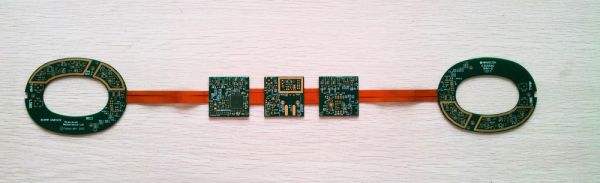
rigid-flex pcb design guide contents
1. Introduction to Rigid-Flex PCBs
2. Advantages of Rigid-Flex PCBs
3. Design Considerations for Rigid-Flex PCBs
a. Materials
b. Layer Stackup
c. Bend Radius
d. Trace Width and Spacing
e. Component Placement
f. Via Design
g. Signal Integrity
h. Thermal Management
i. Assembly and Testing
4. Manufacturing Process for Rigid-Flex PCBs
a. Preparation of Materials
b. Layer Alignment and Bonding
c. Drilling and Plating
d. Etching and Lamination
e. Routing and Scoring
f. Surface Finishing
5. Testing and Inspection of Rigid-Flex PCBs
a. Electrical Testing
b. Visual Inspection
c. Mechanical Testing
6. Conclusion and Future Trends in Rigid-Flex PCB Design
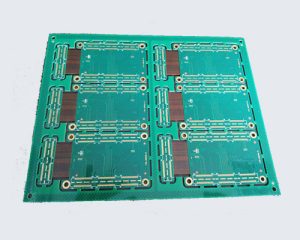
rigid flex pcb altium
Altium is a popular software tool used for designing rigid-flex PCBs.
Altium Designer is a comprehensive PCB design software that offers a range of features and tools to design complex rigid-flex PCBs.
Some of the key features of Altium Designer for rigid-flex PCB design include:
1. Layer stackup management:
Altium Designer allows you to manage the layer stackup for your rigid-flex PCB design, including the number of layers, material types, and thicknesses.
2. 3D modeling:
Altium Designer offers a 3D modeling tool that allows you to visualize your rigid-flex PCB design in 3D, including the flexible areas and the bend radius.
3. Design rule checks:
Altium Designer provides a range of design rule checks (DRCs) to ensure that your rigid-flex PCB design meets the required specifications and standards.
4. Component placement:
Altium Designer offers advanced component placement tools that allow you to place components on both rigid and flexible areas of the PCB.
5. Routing:
Altium Designer provides a range of routing tools, including automatic and interactive routing, to help you route your rigid-flex PCB design efficiently.
6. Signal integrity analysis:
Altium Designer offers a range of signal integrity analysis tools to help you ensure that your rigid-flex PCB design meets the required signal integrity specifications.
7. Manufacturing output:
Altium Designer provides a range of manufacturing output options, including Gerber files, drill files, and assembly drawings, to help you prepare your rigid-flex PCB design for manufacturing.
Overall, Altium Designer is a powerful tool for designing and manufacturing rigid-flex PCBs, and it offers a range of features and tools to help you create high-quality designs.
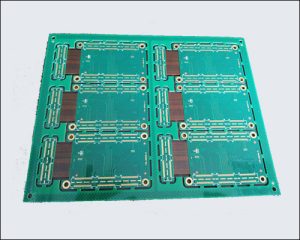
the role of rigid flex pcb altium
The role of rigid flex PCB in Altium is to provide a flexible circuit board that combines the benefits of both rigid and flexible PCBs.
Rigid flex PCBs are designed to provide a flexible circuit board that can be bent and shaped to fit into tight spaces, while also providing the durability and stability of a rigid PCB.
The role of Altium in the design of rigid flex PCBs is to provide a comprehensive design software that allows engineers to create complex designs that can be manufactured with precision and accuracy.
Altium provides a range of tools and features that make it easy to design and test rigid flex PCBs, including schematic capture, PCB layout, 3D visualization, and simulation tools.
Altium also provides a range of design rules and guidelines that help engineers ensure that their rigid flex PCBs meet the required specifications and standards. This includes guidelines for trace and space widths, via placement,
and other design considerations that are critical to the performance and reliability of the PCB.
Overall, the role of rigid flex PCB in Altium is to provide a flexible and durable circuit board that meets the needs of modern electronic devices,
while also providing the tools and features needed to design and manufacture these complex PCBs with precision and accuracy.