
Skip to content
Andwin Circuits
  • Home
  • ProductsExpand
    • HDI multilayer PCB
    • Rigid Flex PCB
    • Flex pcb
    • Special PCBExpand
      • High Frequency PCBExpand
        • Rogers RO4350B PCB
        • Rogers RO4003 pcb
        • Rogers RO3003 PCB
        • Rogers 5880 PCB
        • DICLAD 527 PCB
        • Taconic TLX series
        • Taconic TLX-8 RF PCB
        • Taconic TLX-9 RF PCB
      • High speed pcbExpand
        • Megtron 6 High Speed PCB
        • TU-872 SLK Sp High Speed
      • High TG PCBExpand
        • SHENGYI SH260 PCB
        • ISOLA 370HR PCB
        • ISOLA IS410 PCB
        • ISOLA IS420 PCB
      • Heavy copper PCB
      • Copper coin pcb
      • Copper inlay PCB
    • Metal Core PCBExpand
      • Copper core pcb
      • Aluminum PCB
      • 2 Layers Aluminum PCB
      • Direct thermal MCPCB
      • 2 Layers Direct Thermal
    • Ceramic PCBExpand
      • DPC ceramic PCB
      • DBC ceramic PCB
      • Thick film Ceramic PCB
      • Al2O3 Alumina PCB
      • AIN ALN ceramic PCB
      • IGBT Ceramic PCB
  • ServiceExpand
    • PCB Assembly
    • Quick turn PCB assembly
    • PCBA conformal coating
  • IndustryExpand
    • Telecommunication
    • IoT and Wireless
    • Industrial Control
    • Thermal management
    • Power and Energy
    • IC test board
    • Automative
    • Medical
  • CapabilityExpand
    • Rigid PCB
    • Rigid flex PCB
    • Metal core PCB
    • PCB Assembly
  • TechnologyExpand
    • Blogs
    • Via in pad
    • PCB E-test
    • PCB stack up
    • MCPCB panelization
    • Controlled impedance PCB
  • AboutExpand
    • About us
    • Certification
    • Factory Tour
  • Contact
Andwin Circuits
Home / Blogs / How to do ceramic pcb assembly?

How to do ceramic pcb assembly?

ByLucy August 17, 2023June 22, 2024

What is ceramic pcb assembly?

Ceramic PCB assembly refers to the process of assembling electronic components

onto a ceramic printed circuit board (PCB). Ceramic PCBs are made of a ceramic material,

such as aluminum oxide (Al2O3) or aluminum nitride (AlN), which offers excellent

thermal conductivity and electrical insulation properties.

During the assembly process, electronic components such as resistors, capacitors,

integrated circuits, and connectors are soldered onto the ceramic PCB using various

methods such as surface mount technology (SMT) or through-hole technology (THT).

The components are carefully placed and soldered onto the PCB to create a

functional electronic circuit.

Ceramic PCB assembly is commonly used in applications that require high power

handling, high-frequency performance, and excellent thermal management. These

include power electronics, LED lighting, aerospace and defense systems, automotive

electronics, and telecommunications equipment. The use of ceramic PCBs helps to

dissipate heat efficiently, improve reliability, and enhance the overall performance

of electronic devices.
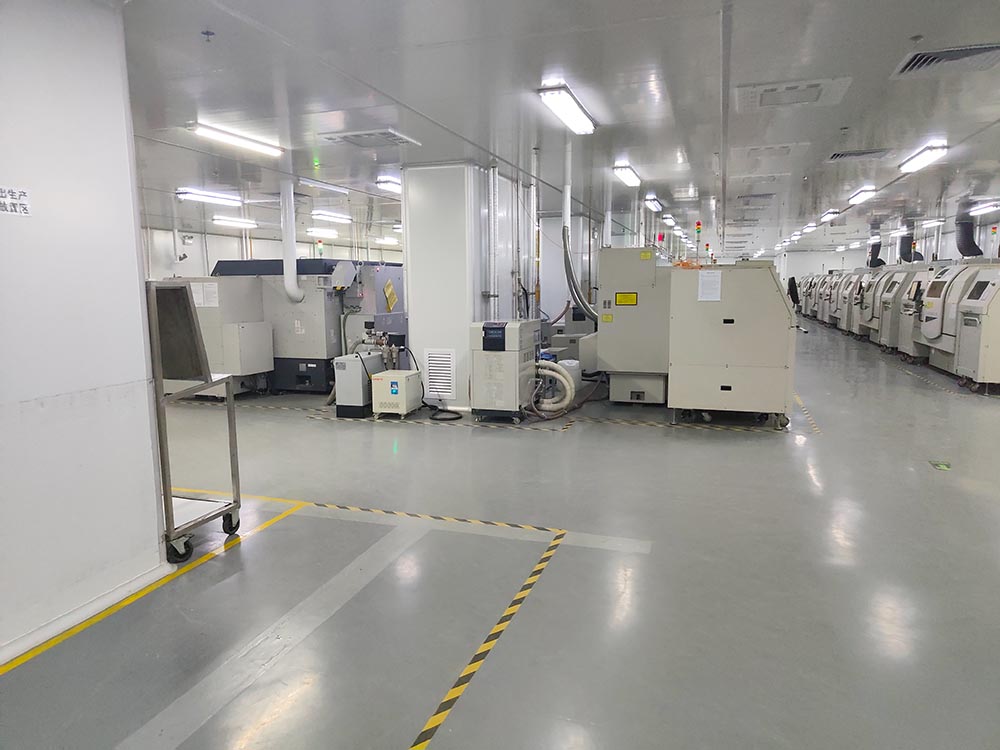
How to do ceramic pcb assembly?

Ceramic PCB assembly is a specialized process that requires careful handling

and attention to detail. Here are the steps involved in ceramic PCB assembly:

1. Component selection: Choose the appropriate components for your ceramic

PCB assembly. Ensure that the components are compatible with ceramic substrates

and can withstand high temperatures.

2. PCB design: Create a PCB layout that accommodates the ceramic substrate

and the components. Pay attention to the thermal management aspects to ensure

efficient heat dissipation.

3. Solder paste application: Apply solder paste to the ceramic substrate using

a stencil or a dispenser. Ensure that the solder paste is evenly distributed and of the right thickness.
GET IN TOUCH!

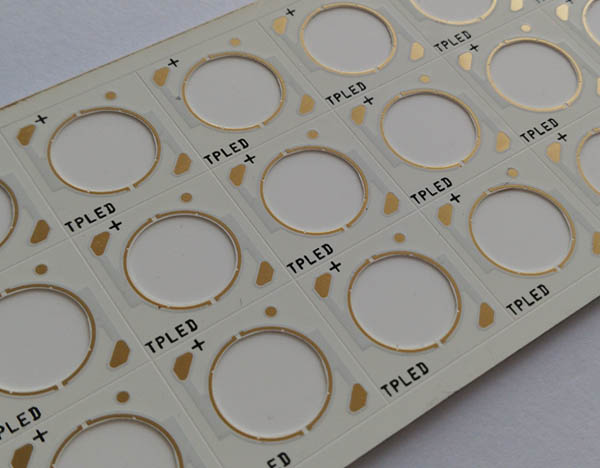
ceramic pcb

4. Component placement: Carefully place the components onto the solder

paste on the ceramic substrate. Use a pick-and-place machine or manual

placement depending on the complexity of the assembly.

5. Reflow soldering: Transfer the ceramic PCB to a reflow oven or a reflow

soldering machine. The oven will heat the assembly to the required temperature,

melting the solder paste and forming strong electrical connections.

6. Inspection: After the reflow soldering process, inspect the ceramic PCB

assembly for any defects or soldering issues. Use visual inspection techniques

or automated inspection systems to identify and rectify any problems.
Zirconia ceramic PCB

7. Testing: Once the inspection is complete, test the ceramic PCB assembly to

ensure that it meets the required specifications and functions correctly. Use

appropriate testing equipment and procedures to verify the functionality and performance of the assembly.

8. Cleaning: Clean the ceramic PCB assembly to remove any flux residues

or contaminants that may have accumulated during the assembly process.

Use a suitable cleaning solution and techniques that are compatible with ceramic substrates.

9. Final inspection and packaging: Perform a final inspection of the ceramic

PCB assembly to ensure that it meets all quality standards. Once approved,

package the assembly in suitable packaging materials to protect it during transportation and storage.

It is important to note that ceramic PCB assembly requires specialized equipment,

expertise, and knowledge of the unique characteristics of ceramic substrates.

It is recommended to work with experienced PCB assembly service providers or

consult experts in ceramic PCB assembly to ensure a successful and reliable assembly process.

GET IN TOUCH!

Post navigation

Previous Previous
Dupont flex pcb material
NextContinue
Double sided flex pcb

Search

Search

Products

  • HDI Multilayer PCB
  • Rigid Flex PCB
  • Flex pcb
  • High Frequency PCB
  • High speed pcb
  • Heavy copper PCB
  • Metal Core PCB
  • Ceramic PCB

Address

Andwin Circuits Co.,Limited
Email: sales@andwinpcb.com
Tel: +86 755 2832 9394
Fax:+86 755 2992  6717
ADD:1-2F-1217,HouDeQun Industrial park,
NanTing RD NO.56,ShaJing,BaoAn,Shenzhen 518104,GuangDong,China

Products

  • HDI Multilayer PCB
  • Rigid Flex PCB
  • Flex pcb
  • High Frequency PCB
  • High speed pcb
  • Heavy copper PCB
  • Metal Core PCB
  • Ceramic PCB

Technology

  • Blogs
  • Via in pad
  • PCB E-test
  • PCB stack up
  • Metal core PCB panelization
  • Controlled impedance PCB

CERTIFICATION

Certification >>


Copyright© 2003 - 2026 Andwin | All Rights Reserved | Powered by Andwin

Scroll to top
  • Home
  • Products
    • HDI multilayer PCB
    • Rigid Flex PCB
    • Flex pcb
    • Special PCB
      • High Frequency PCB
        • Rogers RO4350B PCB
        • Rogers RO4003 pcb
        • Rogers RO3003 PCB
        • Rogers 5880 PCB
        • DICLAD 527 PCB
        • Taconic TLX series
        • Taconic TLX-8 RF PCB
        • Taconic TLX-9 RF PCB
      • High speed pcb
        • Megtron 6 High Speed PCB
        • TU-872 SLK Sp High Speed
      • High TG PCB
        • SHENGYI SH260 PCB
        • ISOLA 370HR PCB
        • ISOLA IS410 PCB
        • ISOLA IS420 PCB
      • Heavy copper PCB
      • Copper coin pcb
      • Copper inlay PCB
    • Metal Core PCB
      • Copper core pcb
      • Aluminum PCB
      • 2 Layers Aluminum PCB
      • Direct thermal MCPCB
      • 2 Layers Direct Thermal
    • Ceramic PCB
      • DPC ceramic PCB
      • DBC ceramic PCB
      • Thick film Ceramic PCB
      • Al2O3 Alumina PCB
      • AIN ALN ceramic PCB
      • IGBT Ceramic PCB
  • Service
    • PCB Assembly
    • Quick turn PCB assembly
    • PCBA conformal coating
  • Industry
    • Telecommunication
    • IoT and Wireless
    • Industrial Control
    • Thermal management
    • Power and Energy
    • IC test board
    • Automative
    • Medical
  • Capability
    • Rigid PCB
    • Rigid flex PCB
    • Metal core PCB
    • PCB Assembly
  • Technology
    • Blogs
    • Via in pad
    • PCB E-test
    • PCB stack up
    • MCPCB panelization
    • Controlled impedance PCB
  • About
    • About us
    • Certification
    • Factory Tour
  • Contact
Search