
Skip to content
Andwin Circuits
  • Home
  • ProductsExpand
    • HDI multilayer PCB
    • Rigid Flex PCB
    • Flex pcb
    • Special PCBExpand
      • High Frequency PCBExpand
        • Rogers RO4350B PCB
        • Rogers RO4003 pcb
        • Rogers RO3003 PCB
        • Rogers 5880 PCB
        • DICLAD 527 PCB
        • Taconic TLX series
        • Taconic TLX-8 RF PCB
        • Taconic TLX-9 RF PCB
      • High speed pcbExpand
        • Megtron 6 High Speed PCB
        • TU-872 SLK Sp High Speed
      • High TG PCBExpand
        • SHENGYI SH260 PCB
        • ISOLA 370HR PCB
        • ISOLA IS410 PCB
        • ISOLA IS420 PCB
      • Heavy copper PCB
      • Copper coin pcb
      • Copper inlay PCB
    • Metal Core PCBExpand
      • Copper core pcb
      • Aluminum PCB
      • 2 Layers Aluminum PCB
      • Direct thermal MCPCB
      • 2 Layers Direct Thermal
    • Ceramic PCBExpand
      • DPC ceramic PCB
      • DBC ceramic PCB
      • Thick film Ceramic PCB
      • Al2O3 Alumina PCB
      • AIN ALN ceramic PCB
      • IGBT Ceramic PCB
  • ServiceExpand
    • PCB Assembly
    • Quick turn PCB assembly
    • PCBA conformal coating
  • IndustryExpand
    • Telecommunication
    • IoT and Wireless
    • Industrial Control
    • Thermal management
    • Power and Energy
    • IC test board
    • Automative
    • Medical
  • CapabilityExpand
    • Rigid PCB
    • Rigid flex PCB
    • Metal core PCB
    • PCB Assembly
  • TechnologyExpand
    • Blogs
    • Via in pad
    • PCB E-test
    • PCB stack up
    • MCPCB panelization
    • Controlled impedance PCB
  • AboutExpand
    • About us
    • Certification
    • Factory Tour
  • Contact
Andwin Circuits
Home / Advantages and Disadvantages of PCB Multilayer Boards

Advantages and Disadvantages of PCB Multilayer Boards

ByGrace June 27, 2024June 27, 2024

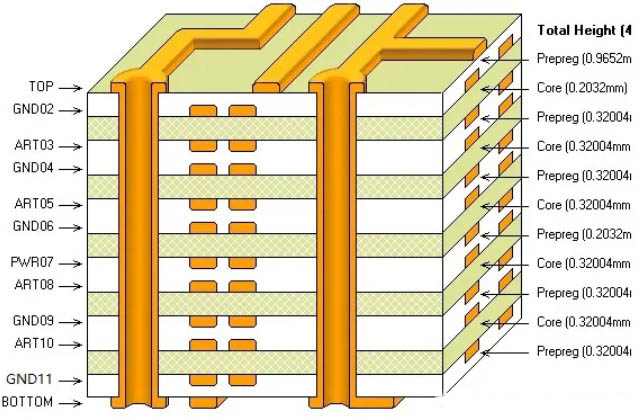
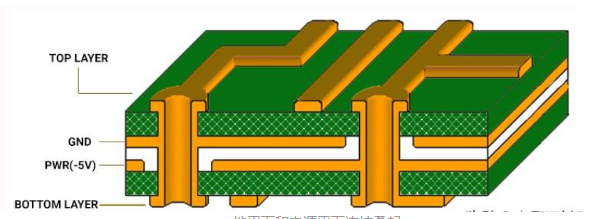
CB multilayer board is a circuit board composed of multiple conductive layers and insulating layers stacked alternately, which is widely used in various complex electronic devices.

Below we will analyze the advantages and disadvantages of PCB multilayer boards from multiple aspects.
Contact us for PCB quote now |

1.Advantages of PCB multilayer board

    High-density integration capability

    PCB multilayer board allows for higher density circuit layout in a limited space. By arranging conductive paths and components between multiple layers, the size of the circuit board can be greatly reduced and the overall performance of electronic equipment can be improved. This high-density integration capability is essential for realizing miniaturized and lightweight electronic products.

    Excellent electrical performance

    Multilayer board design helps to optimize electrical performance. Through reasonable stacking design and wiring layout, signal interference and electromagnetic radiation can be effectively reduced, and signal stability and transmission speed can be improved. In addition, multilayer boards can also provide structures such as shielding layers and reference planes to further improve electrical performance.

    Strong heat dissipation performance

    Multilayer boards usually contain special heat dissipation layers to improve heat conduction and heat distribution. This allows multilayer boards to have better heat dissipation performance when processing high-power or high-speed signals. Good heat dissipation performance helps ensure stable operation and extend the service life of electronic equipment.

    High reliability

    Multilayer boards have undergone rigorous manufacturing and testing processes and have high mechanical strength and stability. They are able to resist the influence of external environmental factors such as vibration, shock, and temperature changes, thereby ensuring the reliability of electronic products in complex and harsh environments.
    Contact us for PCB quote now |

    2.Disadvantages of PCB multilayer boards

    High manufacturing cost

      The manufacturing process of multilayer boards involves complex processes such as multiple laminations, drilling, and electroplating, resulting in relatively high production costs. In addition, raw materials such as high-performance substrates and adhesives also increase the cost of multilayer boards. Therefore, when considering the use of multilayer boards, it is necessary to weigh the balance between their performance and cost.

      High design complexity

      Multilayer board design needs to consider more factors, such as interlayer alignment, impedance control, thermal design, etc. This requires high expertise and experience from designers. In addition, the design flexibility of multilayer boards is relatively limited, and once the design is completed and put into production, it is difficult to change or adjust it later.

      Long production cycle

      Due to the complex production process of multilayer boards, the production cycle is usually longer than that of single-layer or double-layer boards. This may affect the time to market and market competitiveness of the product. Therefore, when choosing a multilayer board as a circuit board solution, it is necessary to fully consider the impact of the production cycle on the overall project progress.

      Difficulty in maintenance

      The circuits and components inside the multilayer board are highly integrated, and once a fault occurs, it is relatively difficult to locate and repair. This may increase the cost of later maintenance and after-sales service. Therefore, when using a multilayer board, it is necessary to pay attention to its maintainability and maintainability so that fast and effective troubleshooting and repair can be carried out when necessary.

      Therefore, PCB multilayer boards have significant advantages in electronic manufacturing, such as high-density integration capabilities, excellent electrical performance, strong heat dissipation performance and high reliability. However, it also has some disadvantages, such as high manufacturing cost, high design complexity, long production cycle and difficult maintenance. When choosing whether to use a multilayer board, you should weigh and decide based on the specific application scenarios and needs.

      Post Tags: #pcb#pcb design

      Post navigation

      Previous Previous
      Peak current and decoupling capacitors during PCB layout
      NextContinue
      PCB selective soldering process characteristics and process

      Search

      Search

      Products

      • HDI Multilayer PCB
      • Rigid Flex PCB
      • Flex pcb
      • High Frequency PCB
      • High speed pcb
      • Heavy copper PCB
      • Metal Core PCB
      • Ceramic PCB

      Address

      Andwin Circuits Co.,Limited
      Email: sales@andwinpcb.com
      Tel: +86 755 2832 9394
      Fax:+86 755 2992  6717
      ADD:1-2F-1217,HouDeQun Industrial park,
      NanTing RD NO.56,ShaJing,BaoAn,Shenzhen 518104,GuangDong,China

      Products

      • HDI Multilayer PCB
      • Rigid Flex PCB
      • Flex pcb
      • High Frequency PCB
      • High speed pcb
      • Heavy copper PCB
      • Metal Core PCB
      • Ceramic PCB

      Technology

      • Blogs
      • Via in pad
      • PCB E-test
      • PCB stack up
      • Metal core PCB panelization
      • Controlled impedance PCB

      CERTIFICATION

      Certification >>


      Copyright© 2003 - 2026 Andwin | All Rights Reserved | Powered by Andwin

      Scroll to top
      • Home
      • Products
        • HDI multilayer PCB
        • Rigid Flex PCB
        • Flex pcb
        • Special PCB
          • High Frequency PCB
            • Rogers RO4350B PCB
            • Rogers RO4003 pcb
            • Rogers RO3003 PCB
            • Rogers 5880 PCB
            • DICLAD 527 PCB
            • Taconic TLX series
            • Taconic TLX-8 RF PCB
            • Taconic TLX-9 RF PCB
          • High speed pcb
            • Megtron 6 High Speed PCB
            • TU-872 SLK Sp High Speed
          • High TG PCB
            • SHENGYI SH260 PCB
            • ISOLA 370HR PCB
            • ISOLA IS410 PCB
            • ISOLA IS420 PCB
          • Heavy copper PCB
          • Copper coin pcb
          • Copper inlay PCB
        • Metal Core PCB
          • Copper core pcb
          • Aluminum PCB
          • 2 Layers Aluminum PCB
          • Direct thermal MCPCB
          • 2 Layers Direct Thermal
        • Ceramic PCB
          • DPC ceramic PCB
          • DBC ceramic PCB
          • Thick film Ceramic PCB
          • Al2O3 Alumina PCB
          • AIN ALN ceramic PCB
          • IGBT Ceramic PCB
      • Service
        • PCB Assembly
        • Quick turn PCB assembly
        • PCBA conformal coating
      • Industry
        • Telecommunication
        • IoT and Wireless
        • Industrial Control
        • Thermal management
        • Power and Energy
        • IC test board
        • Automative
        • Medical
      • Capability
        • Rigid PCB
        • Rigid flex PCB
        • Metal core PCB
        • PCB Assembly
      • Technology
        • Blogs
        • Via in pad
        • PCB E-test
        • PCB stack up
        • MCPCB panelization
        • Controlled impedance PCB
      • About
        • About us
        • Certification
        • Factory Tour
      • Contact
      Search