
SMD PCB Manufacturer: A Comprehensive Guide
Introduction
Surface Mount Device (SMD) technology has become the cornerstone of modern electronics manufacturing, enabling the production of smaller, lighter, and more efficient electronic devices. SMD PCB manufacturers specialize in the design, fabrication, and assembly of printed circuit boards (PCBs) using surface mount technology. These manufacturers play a crucial role in the electronics supply chain, providing high-quality PCBs for a wide range of applications, from consumer electronics to industrial automation. This article provides a comprehensive guide to SMD PCB manufacturers, covering various aspects such as the benefits of SMD technology, key considerations when choosing a manufacturer, materials and technologies used, quality assurance processes, and future trends. By understanding these elements, businesses can make informed decisions and select the right SMD PCB manufacturer for their needs.
1. Benefits of SMD Technology
1.1 Higher Component Density
SMD technology allows for the placement of components on both sides of the PCB, significantly increasing component density. This enables the production of smaller and more compact electronic devices.
1.2 Improved Electrical Performance
SMD components have shorter leads and smaller parasitic inductance and capacitance compared to through-hole components. This results in improved electrical performance, especially in high-frequency applications.
1.3 Cost Efficiency
SMD technology is highly automated, reducing labor costs and increasing production efficiency. The use of smaller components also reduces material costs, making SMD PCBs more cost-effective.
1.4 Enhanced Reliability
SMD components are securely attached to the PCB using solder paste and reflow soldering, resulting in stronger and more reliable connections. This enhances the overall reliability of the electronic device.
2. Key Considerations When Choosing an SMD PCB Manufacturer
2.1 Experience and Expertise
Choose a manufacturer with a proven track record and expertise in SMD PCB manufacturing. Experienced manufacturers are more likely to deliver high-quality PCBs and handle complex designs effectively.
2.2 Capabilities and Technologies
Ensure that the manufacturer has the necessary capabilities and technologies to meet your specific requirements. This includes advanced fabrication and assembly technologies, as well as the ability to handle different materials and layer counts.
2.3 Quality Assurance
Quality assurance is critical for ensuring the reliability of the PCB. Look for manufacturers that offer comprehensive quality control processes, including automated optical inspection (AOI), X-ray inspection, and electrical testing.
2.4 Turnaround Time
Evaluate the turnaround times offered by the manufacturer. Look for manufacturers that offer flexible turnaround options to meet your project deadlines.
2.5 Customer Support
Good customer support is essential for a smooth manufacturing process. Look for manufacturers that offer responsive and knowledgeable customer support to assist with any issues or questions that may arise.
2.6 Cost
While cost is an important factor, it should not be the sole consideration. Balance cost with the quality, capabilities, and turnaround time offered by the manufacturer.
3. Materials and Technologies Used by SMD PCB Manufacturers
3.1 PCB Substrate Materials
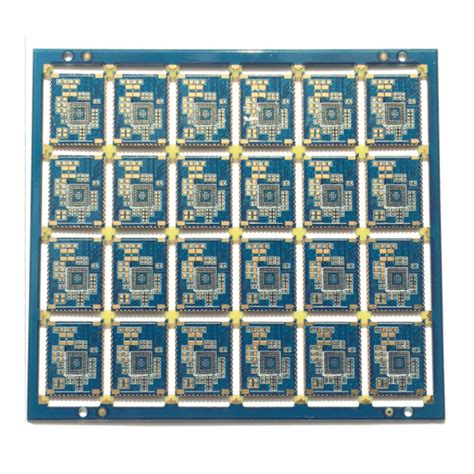
The choice of PCB substrate material can have a significant impact on the performance and cost of the SMD PCB. Common substrate materials include:
- FR-4: A widely used, cost-effective material suitable for most applications.
- High-Frequency Materials: Such as Rogers or Teflon, used for high-frequency applications requiring low dielectric loss.
- Flexible Materials: Such as polyimide, used for flexible PCBs in applications requiring bending or folding.
3.2 SMD Components
SMD components come in various package types, such as 0402, 0603, 0805, and QFN. The choice of components depends on the specific requirements of the design, including electrical specifications, thermal management, and package size.
3.3 Solder Paste
Solder paste is a critical material in SMD PCB manufacturing. It is used to create reliable solder joints between the components and the PCB. Key considerations for solder paste selection include:
- Alloy Composition: Choose the appropriate solder alloy, such as SAC305 (Sn96.5Ag3.0Cu0.5) for lead-free applications or Sn63Pb37 for traditional soldering.
- Particle Size: Select solder paste with the appropriate particle size for the component pitch and stencil design.
- Flux Activity: Choose solder paste with the appropriate flux activity level to ensure good wetting and reliable solder joints.
3.4 Advanced Technologies
SMD PCB manufacturers may also offer advanced technologies such as:
- High-Density Interconnect (HDI): Enables higher component density and improved signal integrity.
- Flex and Rigid-Flex PCBs: Combines flexible and rigid sections for applications requiring bending or folding.
- Embedded Components: Integrates passive components within the PCB layers, reducing the overall size and improving performance.
4. Quality Assurance Processes in SMD PCB Manufacturing
4.1 Automated Optical Inspection (AOI)
Automated Optical Inspection (AOI) is a critical quality control tool in SMD PCB manufacturing. AOI systems use high-resolution cameras and image processing software to detect defects such as soldering issues, missing components, and misaligned parts. By catching defects early, AOI helps reduce rework and scrap costs.
4.2 X-Ray Inspection
X-ray inspection is used to inspect solder joints that are not visible to the naked eye, such as those under Ball Grid Array (BGA) components. X-ray inspection can detect defects such as voids, cracks, and insufficient solder, ensuring the reliability of hidden solder joints.
4.3 In-Circuit Testing (ICT)
In-Circuit Testing (ICT) is another essential quality assurance tool. ICT involves using test probes to check the electrical performance of individual components and circuits on the PCB. ICT can quickly identify faults such as open circuits, short circuits, and incorrect component values, ensuring that only high-quality PCBs move to the next stage of production.
4.4 Functional Testing
Functional testing involves testing the assembled PCB to ensure it performs as intended. This type of testing is crucial for verifying that the PCB meets the required specifications and functions correctly in its intended application. Functional testing can be automated to reduce labor costs and improve consistency.
4.5 Environmental Testing
Environmental testing evaluates the PCB’s performance under various environmental conditions, such as temperature extremes, humidity, and vibration. While environmental testing adds to the overall cost, it is essential for ensuring the reliability and durability of the PCB, particularly in demanding applications.
5. Future Trends in SMD PCB Manufacturing
5.1 Increased Automation
Automation is expected to play a significant role in the future of SMD PCB manufacturing. Advanced robotics and AI-driven systems will further reduce production times and improve the accuracy and consistency of the manufacturing process.
5.2 Advanced Materials
The development of new materials with enhanced properties, such as higher thermal conductivity and improved signal integrity, will enable more advanced and reliable SMD PCBs.
5.3 Integration with Design Tools
Closer integration between PCB design tools and manufacturing services will streamline the design-to-production process, allowing for faster iterations and more efficient design validation.
5.4 Sustainable Practices
As environmental concerns grow, SMD PCB manufacturers are likely to adopt more sustainable practices, such as using eco-friendly materials and reducing waste in the fabrication process.
Conclusion
SMD PCB manufacturers play a crucial role in the electronics supply chain, providing high-quality PCBs for a wide range of applications. By leveraging SMD technology, these manufacturers enable the production of smaller, lighter, and more efficient electronic devices. Key considerations such as experience, capabilities, quality assurance, and customer support are crucial when choosing an SMD PCB manufacturer. Advanced materials and technologies, along with comprehensive quality assurance processes, ensure the reliability and performance of SMD PCBs. As technology continues to advance, the future of SMD PCB manufacturing looks promising, with increased automation, advanced materials, and sustainable practices driving further innovation. By selecting the right SMD PCB manufacturer, businesses can stay ahead in the competitive electronics industry and bring their innovative ideas to life more efficiently.