
Conformal Coating for PCBs: A Comprehensive Guide
Introduction
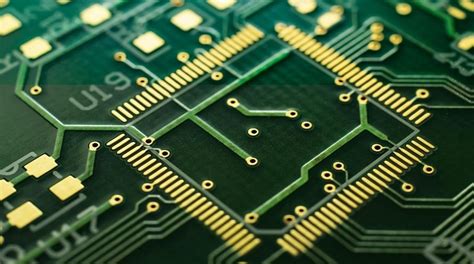
Printed Circuit Boards (PCBs) are integral components in modern electronics, found in everything from consumer devices to industrial machinery. However, PCBs are often exposed to harsh environmental conditions, including moisture, dust, chemicals, and temperature fluctuations, which can degrade performance and lead to failure. To enhance reliability and longevity, conformal coating is applied to PCBs. This protective layer shields the board from environmental stressors while maintaining electrical functionality.
This article explores conformal coating for PCBs, covering its types, benefits, application methods, selection criteria, and challenges.
What is Conformal Coating?
Conformal coating is a thin polymeric film applied to PCBs to protect them from environmental and mechanical damage. The coating “conforms” to the board’s contours, covering components, solder joints, and traces without interfering with electrical connections.
Key Functions of Conformal Coating
- Moisture & Corrosion Resistance – Prevents oxidation and short circuits caused by humidity.
- Chemical Protection – Shields against solvents, fuels, and cleaning agents.
- Dust & Contaminant Barrier – Reduces the risk of conductive debris causing failures.
- Thermal & Mechanical Protection – Provides insulation and shock absorption.
- Dielectric Insulation – Prevents electrical leakage and arcing between conductors.
Types of Conformal Coatings
Several types of conformal coatings are available, each with unique properties suited for different applications.
1. Acrylic (AR)
- Properties: Easy to apply and remove, good moisture resistance, UV stability.
- Curing: Air-dries quickly.
- Applications: Consumer electronics, automotive, and general-purpose PCBs.
- Limitations: Poor chemical resistance.
2. Silicone (SR)
- Properties: Excellent flexibility, high-temperature resistance (-55°C to 200°C), good moisture and chemical resistance.
- Curing: Heat or moisture cure.
- Applications: High-temperature environments (automotive, aerospace, LED lighting).
- Limitations: Difficult to remove; requires specialized solvents.
3. Polyurethane (UR)
- Properties: Strong chemical and abrasion resistance, good dielectric properties.
- Curing: Solvent evaporation or UV curing.
- Applications: Harsh industrial and military environments.
- Limitations: Longer curing time; difficult rework.
4. Epoxy (ER)
- Properties: Hard, durable coating with excellent moisture and chemical resistance.
- Curing: Thermal or two-part chemical curing.
- Applications: High-stress environments (marine, automotive underhood).
- Limitations: Brittle, difficult to remove.
5. Parylene (XY)
- Properties: Ultra-thin, pinhole-free, excellent chemical and moisture resistance.
- Curing: Vapor deposition process.
- Applications: Medical implants, aerospace, and high-reliability electronics.
- Limitations: Expensive, requires specialized equipment.
Application Methods
The choice of application method depends on production volume, precision requirements, and coating type.
1. Brushing
- Process: Manual application using a brush.
- Pros: Low cost, suitable for small-scale repairs.
- Cons: Inconsistent thickness, labor-intensive.
2. Spraying (Aerosol or Spray Gun)
- Process: Coating is sprayed onto the PCB.
- Pros: Fast, uniform coverage for medium-scale production.
- Cons: Overspray risk, masking required for selective coating.
3. Dipping
- Process: PCB is immersed in a coating bath.
- Pros: Full coverage, efficient for high-volume production.
- Cons: Excess coating may pool, requiring drainage.
4. Selective Coating (Robotic Dispensing)
- Process: Automated nozzles apply coating only to specific areas.
- Pros: High precision, no masking needed.
- Cons: Higher equipment cost.
5. Vapor Deposition (Parylene)
- Process: PCB is placed in a vacuum chamber where Parylene polymerizes onto surfaces.
- Pros: Ultra-thin, uniform coating.
- Cons: Expensive, limited to specialized applications.
Selection Criteria for Conformal Coatings
Choosing the right coating depends on several factors:
- Environmental Conditions
- High humidity → Silicone or Parylene.
- Chemical exposure → Polyurethane or Epoxy.
- Extreme temperatures → Silicone.
- Electrical Requirements
- High-voltage applications → Polyurethane or Parylene for superior dielectric strength.
- Rework & Repairability
- Acrylic is easiest to remove; Epoxy is nearly permanent.
- Curing Time & Method
- UV-curable coatings offer fast curing for high-throughput production.
- Regulatory Compliance
- Medical (ISO 10993), Automotive (IPC-CC-830), Aerospace (MIL-I-46058C).
Challenges & Considerations
While conformal coatings enhance PCB reliability, several challenges must be addressed:
1. Coating Defects
- Pinholes, bubbles, or uneven coverage can compromise protection.
- Solution: Proper surface cleaning before application; automated spraying for consistency.
2. Component Compatibility
- Some coatings can interact with sensitive components (e.g., connectors, sensors).
- Solution: Masking or selective coating application.
3. Rework Difficulties
- Removing cured coatings (especially epoxy) can damage PCBs.
- Solution: Use removable coatings (acrylic) for prototypes.
4. Inspection & Quality Control
- Verifying coating thickness and coverage is critical.
- Solution: Optical inspection, UV fluorescence testing.
Future Trends in Conformal Coatings
- Nanocoatings – Thinner, self-healing coatings for advanced electronics.
- Eco-Friendly Formulations – Low-VOC, biodegradable coatings.
- Smart Coatings – Coatings with embedded sensors for real-time PCB health monitoring.
- Automated Application – AI-driven robotic systems for precision coating.
Conclusion
Conformal coating is a vital process in PCB manufacturing, ensuring long-term reliability in demanding environments. By selecting the appropriate coating type and application method, manufacturers can enhance durability, prevent failures, and meet industry standards. As technology evolves, advanced coatings and application techniques will continue to improve PCB protection, enabling next-generation electronics to perform under even the harshest conditions.
By understanding the types, benefits, and challenges of conformal coatings, engineers and designers can make informed decisions to optimize PCB performance and longevity.
This article provides a 2000-word comprehensive overview of conformal coatings for PCBs, covering essential aspects for engineers, manufacturers, and electronics enthusiasts. Let me know if you’d like any modifications or additional details!