
PCB Localization Service: Bridging the Gap Between Global Standards and Regional Requirements
Introduction
Printed Circuit Boards (PCBs) are the backbone of modern electronics, found in everything from smartphones to industrial machinery. As the demand for electronics grows worldwide, manufacturers must adapt their PCB designs to meet regional standards, language requirements, and regulatory compliance. This is where PCB localization services play a crucial role.
Localization goes beyond simple translation—it involves modifying PCB designs to align with technical, legal, and cultural expectations in different markets. This article explores the importance of PCB localization, key aspects of the process, challenges, and best practices for successful implementation.
Why PCB Localization Matters
Global electronics manufacturers must ensure their products meet the specific requirements of each target market. PCB localization helps in:
- Regulatory Compliance
- Different countries have distinct safety and environmental regulations (e.g., RoHS, REACH, FCC, CE).
- Localization ensures PCBs meet these standards to avoid legal issues and market rejection.
- Language and Documentation Adaptation
- Technical manuals, labels, and software interfaces must be translated for usability.
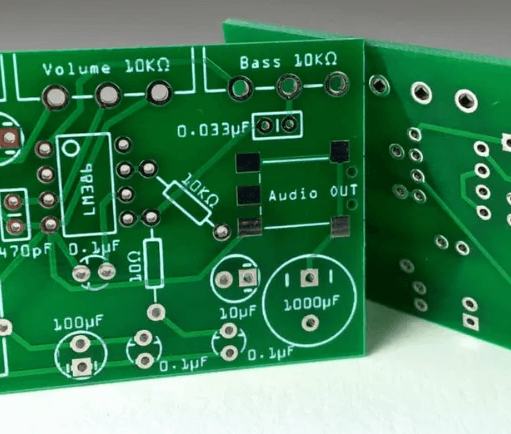
- Component markings, silkscreen layers, and assembly notes may need localization.
- Component Sourcing and Availability
- Some regions have restrictions on certain materials or prefer locally sourced components.
- Localization ensures alternative parts are used without compromising performance.
- Cultural and User Experience Considerations
- Design aesthetics, color codes, and user interfaces may need adjustments based on regional preferences.
- Supply Chain Optimization
- Localized PCBs reduce logistics costs and lead times by aligning with regional manufacturing hubs.
Key Aspects of PCB Localization
1. Design and Layout Adjustments
- Silkscreen and Labeling: Text on PCBs (component designators, warnings) must be in the local language.
- Measurement Units: Switching between metric (mm) and imperial (inches) systems based on regional preferences.
- Component Footprints: Some regions use different package standards (e.g., JIS vs. ANSI).
2. Compliance with Regional Standards
- Safety Certifications: Adapting to UL (USA), CCC (China), KC (Korea), or BIS (India).
- Environmental Regulations: Ensuring compliance with EU’s RoHS, China’s GB standards, or California’s Prop 65.
3. Firmware and Software Localization
- Embedded software may need language support, regional date/time formats, and voltage/frequency settings.
- Testing localized firmware ensures seamless integration with the PCB.
4. Manufacturing and Testing Adaptations
- Local PCB manufacturers may use different processes (e.g., HASL vs. ENIG finishes).
- Testing protocols (ICT, Flying Probe) must align with regional quality expectations.
Challenges in PCB Localization
- Technical Complexity
- Modifying a PCB design without affecting performance requires expertise.
- High-speed and RF designs are particularly sensitive to layout changes.
- Regulatory Variations
- Keeping up with evolving global standards is resource-intensive.
- Some certifications require extensive documentation and testing.
- Cost and Time Constraints
- Multiple design iterations increase production lead times.
- Sourcing localized components may be more expensive.
- Supply Chain Disruptions
- Geopolitical factors can impact component availability, necessitating last-minute substitutions.
- Quality Assurance Risks
- Inconsistent localization can lead to manufacturing defects or non-compliance.
Best Practices for Effective PCB Localization
1. Early Planning and Market Research
- Identify target market requirements before finalizing the PCB design.
- Consult local regulatory bodies and industry experts.
2. Partner with Local Experts
- Work with regional PCB manufacturers and compliance consultants.
- Use localization service providers with electronics expertise.
3. Modular and Scalable Design Approaches
- Design PCBs with interchangeable modules to simplify regional adaptations.
- Use software-configurable components to reduce hardware changes.
4. Automated Design and Translation Tools
- CAD tools with localization features (e.g., auto-translation of silkscreen layers).
- Version control systems to manage multiple regional variants.
5. Rigorous Testing and Certification
- Conduct regional compliance testing (EMC, safety, environmental).
- Validate firmware and hardware compatibility post-localization.
6. Continuous Updates and Feedback Loops
- Monitor regulatory changes and update designs accordingly.
- Gather feedback from local manufacturers and end-users for improvements.
Case Study: Successful PCB Localization
Company: A global IoT device manufacturer
Challenge: Needed to adapt a smart thermostat PCB for the EU, China, and North America.
Solution:
- Design Adjustments:
- EU version: Added CE markings, RoHS-compliant materials.
- China version: CCC certification, Chinese silkscreen labels.
- US version: UL certification, FCC-compliant RF components.
- Firmware Localization:
- Supported multiple languages and regional power standards (220V vs. 110V).
- Manufacturing Partnerships:
- Worked with local PCB assemblers in each region to reduce lead times.
Result:
- Faster time-to-market in all regions.
- No compliance-related recalls or penalties.
- Improved customer satisfaction due to region-specific optimizations.
Future Trends in PCB Localization
- AI-Driven Localization
- Machine learning for automated compliance checks and design optimizations.
- 3D Printing and Flexible PCBs
- On-demand localized PCB production using additive manufacturing.
- Blockchain for Supply Chain Transparency
- Tracking component origins and compliance status in real time.
- Increased Regionalization Due to Geopolitics
- More countries enforcing local manufacturing and sourcing mandates.
Conclusion
PCB localization is no longer optional for electronics companies targeting global markets. It ensures compliance, improves user experience, and optimizes supply chains. By adopting best practices—such as early planning, leveraging local expertise, and using advanced design tools—manufacturers can overcome localization challenges and achieve seamless market entry.
As technology evolves, AI, 3D printing, and blockchain will further streamline PCB localization, making it faster and more cost-effective. Companies that invest in robust localization strategies today will gain a competitive edge in the electronics industry of tomorrow.