
PCB Waste Treatment: Methods, Challenges, and Sustainable Solutions
Introduction
Printed Circuit Boards (PCBs) are essential components in nearly all electronic devices, from smartphones and computers to industrial machinery and medical equipment. However, the rapid advancement of technology and the resulting electronic waste (e-waste) have made PCB disposal a significant environmental and health concern. PCBs contain hazardous materials such as heavy metals (lead, mercury, cadmium) and toxic chemicals (brominated flame retardants), which can leach into soil and water if not properly treated.
This article explores the various methods of PCB waste treatment, the challenges associated with these processes, and emerging sustainable solutions to mitigate environmental impact.
1. Composition of PCB Waste
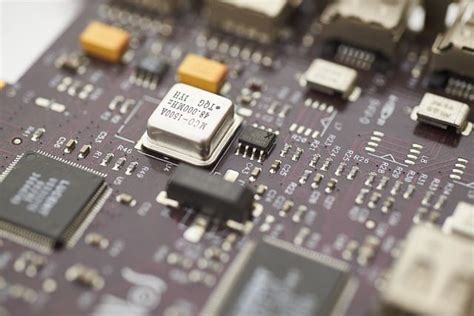
Understanding the composition of PCBs is crucial for developing effective waste treatment strategies. A typical PCB consists of:
- Metals (30%): Copper, gold, silver, tin, lead, nickel, and palladium.
- Plastics and resins (30%): Epoxy resins, fiberglass, and brominated flame retardants.
- Ceramics and other materials (40%): Silica, aluminum oxide, and other inert materials.
The presence of valuable metals makes PCB recycling economically attractive, while the hazardous components necessitate careful handling.
2. Methods of PCB Waste Treatment
2.1 Physical Treatment
Physical methods involve mechanical processes to separate and recover materials without chemical reactions.
- Shredding and Crushing: PCBs are broken down into smaller pieces to facilitate further separation.
- Magnetic Separation: Ferrous metals are extracted using magnets.
- Eddy Current Separation: Non-ferrous metals (e.g., aluminum) are separated using magnetic fields.
- Air Classification: Light materials (plastics) are separated from heavier metals using air streams.
Advantages: Low energy consumption, no chemical pollution.
Disadvantages: Incomplete separation, residual hazardous materials.
2.2 Chemical Treatment
Chemical methods involve leaching metals using acids or other solvents.
- Acid Leaching: Strong acids (e.g., nitric acid, sulfuric acid) dissolve metals for recovery.
- Cyanide Leaching: Used for gold extraction, but highly toxic.
- Halogenation: Chlorine or fluorine gas is used to extract precious metals.
Advantages: High metal recovery rates.
Disadvantages: Toxic byproducts, hazardous waste generation.
2.3 Pyrometallurgical Treatment
High-temperature processes are used to extract metals from PCBs.
- Incineration: Burns off organic materials, leaving metals behind.
- Smelting: Melts PCBs to separate metals from slag.
- Plasma Arc Furnaces: Ultra-high temperatures vaporize hazardous compounds.
Advantages: Effective for bulk processing.
Disadvantages: Air pollution (dioxins, furans), high energy consumption.
2.4 Hydrometallurgical Treatment
This method uses aqueous chemistry to recover metals.
- Leaching with Eco-friendly Solvents: Bioleaching (using bacteria) or organic acids (citric, acetic acid).
- Electrowinning: Electrically extracts metals from solution.
Advantages: Lower emissions, selective metal recovery.
Disadvantages: Slower process, requires wastewater treatment.
2.5 Biological Treatment (Bioleaching)
Microorganisms (bacteria, fungi) are used to extract metals.
- Bacterial Leaching (e.g., Acidithiobacillus ferrooxidans): Oxidizes metals for recovery.
- Fungal Leaching (e.g., Aspergillus niger): Produces organic acids to dissolve metals.
Advantages: Environmentally friendly, low energy use.
Disadvantages: Slow process, sensitive to environmental conditions.
2.6 Emerging Technologies
- Supercritical Fluid Extraction: Uses CO₂ in a supercritical state to dissolve polymers.
- Electrochemical Methods: Selective metal recovery with minimal waste.
- Nanotechnology: Nanoparticles for efficient metal adsorption.
3. Challenges in PCB Waste Treatment
3.1 Environmental and Health Risks
- Toxic Emissions: Burning PCBs releases dioxins and heavy metals.
- Soil and Water Contamination: Improper disposal leads to long-term pollution.
- Worker Exposure: Hazardous chemicals pose health risks to laborers in informal recycling sectors.
3.2 Economic and Technical Barriers
- High Costs: Advanced recycling technologies require significant investment.
- Complex Composition: Variability in PCB materials complicates recycling.
- Informal Recycling: In developing countries, crude methods (open burning, acid baths) dominate, worsening pollution.
3.3 Regulatory and Policy Issues
- Lack of Global Standards: Disparities in e-waste regulations across countries.
- Illegal Dumping: Developed nations often export e-waste to poorer regions.
4. Sustainable Solutions and Future Trends
4.1 Circular Economy Approach
- Design for Recycling: Manufacturers should use fewer hazardous materials and modular designs.
- Extended Producer Responsibility (EPR): Companies must take back and recycle their products.
4.2 Green Chemistry in Recycling
- Non-toxic Solvents: Replace hazardous acids with biodegradable alternatives.
- Biometallurgy: Expand bioleaching for large-scale applications.
4.3 Advanced Automation and AI
- Robotic Sorting: AI-powered systems improve separation efficiency.
- Smart Recycling Plants: IoT-enabled monitoring for optimal processing.
4.4 Global Cooperation and Policies
- Stricter E-Waste Laws: Enforce bans on illegal dumping.
- International Funding: Support developing nations in building proper recycling infrastructure.
5. Conclusion
PCB waste treatment is a critical issue in the era of rapid technological advancement. While traditional methods like incineration and chemical leaching remain prevalent, they pose significant environmental risks. Sustainable alternatives—such as bioleaching, hydrometallurgy, and green chemistry—offer promising solutions. However, achieving widespread adoption requires technological innovation, stricter regulations, and global collaboration.
By embracing a circular economy and investing in eco-friendly recycling methods, we can mitigate the environmental impact of PCB waste while recovering valuable resources for future use.
References (if needed, include academic papers, EPA guidelines, and industry reports)
This article provides a comprehensive overview of PCB waste treatment, balancing technical details with broader environmental and policy considerations. Let me know if you’d like any modifications or additional sections!