
PCB Acrylic Bending Equipment: Technology, Applications, and Advancements
Introduction
Printed Circuit Boards (PCBs) are essential components in modern electronics, providing the foundation for electrical connections in devices ranging from smartphones to industrial machinery. As technology advances, the demand for more complex and aesthetically pleasing PCB designs has grown. One innovative solution is the use of acrylic bending equipment to create custom PCB enclosures, displays, and structural components.
Acrylic, also known as polymethyl methacrylate (PMMA), is a versatile thermoplastic widely used in electronics due to its transparency, durability, and ease of fabrication. PCB acrylic bending equipment allows manufacturers to shape acrylic sheets into precise angles and curves, enabling the production of custom enclosures, light guides, and protective covers for PCBs.
This article explores the technology behind PCB acrylic bending equipment, its applications, key considerations for selecting the right machinery, and recent advancements in the field.
1. Understanding PCB Acrylic Bending Equipment
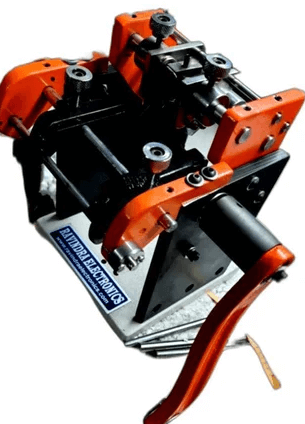
Acrylic bending equipment is designed to heat and shape acrylic sheets into desired forms without causing cracks or distortions. When working with PCBs, this equipment ensures that acrylic components fit perfectly around electronic assemblies, providing protection and enhancing visual appeal.
1.1 Types of Acrylic Bending Machines
Several types of bending machines are used in PCB acrylic fabrication:
- Strip Heaters (Line Benders): These machines use a heated metal strip to apply localized heat along a straight line, allowing for precise bends. They are ideal for creating sharp angles in acrylic enclosures.
- Oven Benders (Convection Heaters): Acrylic sheets are heated uniformly in an oven before being bent using molds or jigs. This method is suitable for complex curves and large-scale production.
- Hot Wire Benders: A heated wire is used to create smooth, curved bends in acrylic. This technique is often used for intricate designs in PCB displays.
- Laser-Assisted Bending: Advanced systems use lasers to heat specific areas of acrylic sheets before bending, ensuring high precision and minimal material stress.
1.2 Key Components of Acrylic Bending Equipment
- Heating Element: Determines the efficiency of heat application (e.g., Nichrome wire, ceramic heaters).
- Temperature Control System: Ensures consistent heating to prevent overheating or underheating.
- Bending Jigs and Molds: Custom tools used to shape the acrylic after heating.
- Cooling Mechanism: Helps set the acrylic in its new shape quickly.
- CNC Integration (for automated systems): Allows for programmable bending sequences for high precision.
2. Applications of PCB Acrylic Bending
The ability to bend acrylic sheets precisely makes this technology invaluable in PCB-related applications:
2.1 PCB Enclosures and Casings
- Custom-fit acrylic enclosures protect PCBs from dust, moisture, and mechanical damage.
- Transparent or tinted acrylic allows for visibility of internal components, useful in diagnostic and display applications.
2.2 LED Light Guides and Panels
- Bent acrylic sheets are used as light diffusers in LED PCBs, enhancing illumination uniformity.
- Applications include backlighting for displays, automotive lighting, and architectural lighting.
2.3 Touchscreen and Display Frames
- Acrylic bending is used to create bezels and frames for touch-sensitive PCBs in consumer electronics.
2.4 Industrial and Medical Electronics
- Acrylic shielding is used in medical devices and industrial control panels where durability and clarity are required.
3. Selecting the Right PCB Acrylic Bending Equipment
Choosing the appropriate bending machine depends on several factors:
3.1 Production Volume
- Low-volume production: Manual strip heaters or hot wire benders are cost-effective.
- High-volume production: Automated CNC bending machines or oven-based systems improve efficiency.
3.2 Bend Complexity
- Simple straight bends can be achieved with strip heaters.
- Complex 3D shapes require laser-assisted or mold-based bending systems.
3.3 Material Thickness
- Thicker acrylic sheets require higher heat settings and more robust bending mechanisms.
3.4 Precision Requirements
- For high-tolerance applications (e.g., optical components), laser-guided bending is preferred.
3.5 Budget Considerations
- Manual machines are cheaper but labor-intensive.
- Automated CNC systems offer higher precision but at a greater cost.
4. Advancements in PCB Acrylic Bending Technology
Recent innovations have improved the efficiency and capabilities of acrylic bending equipment:
4.1 Automated CNC Bending Systems
- Computer-controlled machines allow for repeatable, high-precision bends with minimal human intervention.
4.2 Laser-Assisted Bending
- Lasers provide localized heating, reducing thermal stress and improving edge quality.
4.3 Hybrid Heating Techniques
- Combining convection and radiant heating ensures uniform temperature distribution, preventing warping.
4.4 Smart Temperature Control
- IoT-enabled sensors monitor and adjust heating in real-time, optimizing energy use and reducing defects.
4.5 Eco-Friendly Acrylic Processing
- Newer machines incorporate energy-efficient heating elements and recyclable acrylic materials.
5. Challenges and Solutions in PCB Acrylic Bending
Despite its advantages, acrylic bending presents some challenges:
5.1 Stress Cracking
- Solution: Controlled heating and gradual cooling minimize internal stresses.
5.2 Bubbling and Discoloration
- Solution: Proper temperature regulation and high-quality acrylic grades prevent degradation.
5.3 Inconsistent Bends
- Solution: Precision jigs and automated alignment systems ensure uniformity.
6. Future Trends in PCB Acrylic Bending
- Integration with 3D Printing: Combining additive manufacturing with bending for hybrid structures.
- AI-Driven Process Optimization: Machine learning algorithms to predict optimal bending parameters.
- Flexible and Foldable Acrylic PCBs: Research into bendable electronics for next-gen devices.
Conclusion
PCB acrylic bending equipment plays a crucial role in modern electronics manufacturing, enabling the creation of custom enclosures, light guides, and display components. With advancements in automation, laser heating, and smart controls, the technology continues to evolve, offering greater precision and efficiency.
As the demand for innovative PCB designs grows, manufacturers must choose the right bending equipment based on production needs, material properties, and budget constraints. The future of acrylic bending lies in smarter, more sustainable processes that push the boundaries of electronic packaging and design.
By staying updated with the latest trends, businesses can leverage acrylic bending technology to enhance product functionality, aesthetics, and durability in an increasingly competitive market.