
Understanding PCB Board Blanks: A Comprehensive Guide
Introduction to PCB Board Blanks
Printed Circuit Boards (PCBs) are the backbone of modern electronics, providing mechanical support and electrical connections for electronic components. Before a PCB becomes a fully functional circuit board, it starts as a PCB blank (also called a bare PCB or unprocessed PCB). A PCB blank is the foundational substrate onto which conductive traces, vias, and other features are etched or printed to create a functional circuit.
This article explores PCB board blanks in detail, covering their materials, manufacturing processes, types, applications, and key considerations when selecting them for different projects.
1. What Is a PCB Board Blank?
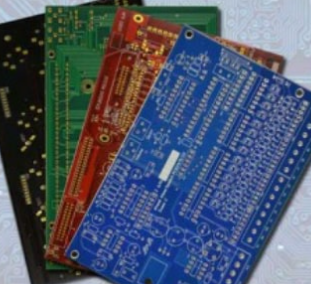
A PCB board blank is an unetched, unprocessed laminate consisting of a non-conductive substrate (typically fiberglass, epoxy resin, or other materials) coated with a thin layer of conductive metal, usually copper. The blank serves as the starting point for PCB fabrication, where the desired circuit pattern is etched onto the copper layer.
Key Characteristics of PCB Blanks:
- Substrate Material: Provides mechanical strength and insulation (e.g., FR-4, polyimide, ceramic).
- Copper Cladding: A conductive layer (usually 0.5 oz to 2 oz thickness) that forms the circuit traces.
- Unprocessed State: No traces, holes, or solder masks applied yet.
2. Materials Used in PCB Board Blanks
The choice of material for a PCB blank depends on factors like thermal stability, flexibility, dielectric properties, and cost. The most common materials include:
A. FR-4 (Flame Retardant 4)
- Composition: Woven fiberglass cloth with epoxy resin.
- Properties:
- Good mechanical strength
- Flame-resistant
- Cost-effective
- Suitable for most consumer electronics
- Limitations: Not ideal for high-frequency or high-temperature applications.
B. Polyimide
- Composition: Synthetic polymer with high thermal stability.
- Properties:
- Excellent flexibility (used in flex PCBs)
- High heat resistance (up to 260°C)
- Used in aerospace, military, and medical devices
- Limitations: More expensive than FR-4.
C. Metal-Core (MCPCB)
- Composition: Aluminum or copper base for heat dissipation.
- Properties:
- High thermal conductivity
- Used in LED lighting and power electronics
- Limitations: Higher cost and limited flexibility.
D. Ceramic-Based PCBs
- Composition: Alumina (Al₂O₃) or aluminum nitride (AlN).
- Properties:
- Excellent thermal and electrical insulation
- Used in high-power and RF applications
- Limitations: Brittle and expensive.
E. PTFE (Teflon)
- Composition: Polytetrafluoroethylene.
- Properties:
- Low dielectric loss (ideal for high-frequency PCBs)
- Used in RF and microwave circuits
- Limitations: Expensive and difficult to process.
3. Manufacturing Process of PCB Blanks
The production of PCB blanks involves several key steps:
A. Substrate Preparation
- The base material (e.g., fiberglass for FR-4) is cut into sheets.
- Resin is impregnated into the fiberglass for rigidity.
B. Copper Cladding
- A thin layer of copper foil is laminated onto one or both sides of the substrate using heat and pressure.
- Common copper weights:
- 0.5 oz/ft² (17.5 µm) – For fine-pitch circuits
- 1 oz/ft² (35 µm) – Standard thickness
- 2 oz/ft² (70 µm) – High-current applications
C. Quality Control
- The blank is inspected for defects like delamination or uneven copper distribution.
- Thickness and dielectric properties are verified.
4. Types of PCB Blanks
PCB blanks can be categorized based on their structure and intended use:
A. Single-Sided Blanks
- Copper on only one side.
- Used for simple, low-cost circuits.
B. Double-Sided Blanks
- Copper layers on both sides.
- Allows for more complex routing.
C. Multilayer Blanks
- Multiple copper layers separated by insulating material.
- Used in high-density circuits (e.g., motherboards).
D. Flexible PCB Blanks
- Made from polyimide or other flexible materials.
- Used in wearable electronics and foldable devices.
E. Rigid-Flex Blanks
- Combines rigid and flexible sections.
- Used in aerospace and medical devices.
5. Applications of PCB Blanks
PCB blanks are used across various industries:
- Consumer Electronics: Smartphones, laptops, TVs.
- Automotive: Engine control units, infotainment systems.
- Medical Devices: Pacemakers, imaging equipment.
- Aerospace & Defense: Avionics, radar systems.
- Industrial Automation: Control panels, robotics.

6. Key Considerations When Choosing PCB Blank
When selecting a PCB blank, consider:
- Material: FR-4 for general use, polyimide for flex, metal-core for heat dissipation.
- Copper Weight: Thicker copper for high-current applications.
- Dielectric Constant: Important for high-frequency designs.
- Thermal Properties: Critical for power electronics.
- Cost vs. Performance: Balance budget with technical requirements.
7. Future Trends in PCB Blanks
- High-Speed Materials: For 5G and IoT applications.
- Eco-Friendly Substrates: Biodegradable and lead-free materials.
- Advanced Manufacturing: Laser drilling for microvias.
Conclusion
PCB board blanks are the foundation of all printed circuit boards, determining their performance, durability, and application suitability. Understanding the different materials, types, and manufacturing processes helps engineers and designers select the right blank for their projects. As technology advances, PCB blanks will continue to evolve, enabling more compact, efficient, and high-performance electronic devices.
By choosing the appropriate PCB blank, manufacturers can ensure reliability, efficiency, and cost-effectiveness in their electronic designs. Whether for consumer gadgets or advanced aerospace systems, the right blank makes all the difference.