
PCB Coating: Types, Applications, and Benefits in Modern Electronics
Introduction
Printed Circuit Boards (PCBs) are the backbone of modern electronics, providing mechanical support and electrical connections for components. However, PCBs are often exposed to harsh environments, including moisture, dust, chemicals, and temperature fluctuations, which can degrade performance and reliability. To protect PCBs from these factors, PCB coating (also known as conformal coating) is applied. This article explores the types of PCB coatings, their applications, benefits, and selection criteria.
1. Types of PCB Coatings
PCB coatings are classified based on their chemical composition and properties. The most common types include:
1.1 Acrylic Resin (AR)
- Properties: Easy to apply and remove, good moisture resistance, and UV stability.
- Advantages:
- Fast drying time.
- Excellent dielectric properties.
- Can be reworked easily with solvents.
- Disadvantages:
- Limited chemical resistance.
- Not suitable for high-temperature environments.
- Applications: Consumer electronics, automotive control systems.
1.2 Silicone Resin (SR)
- Properties: Flexible, high-temperature resistant, and excellent moisture protection.
- Advantages:
- Performs well in extreme temperatures (-50°C to 200°C).
- Good vibration and shock resistance.
- Disadvantages:
- Difficult to remove for rework.
- Prone to attracting dust.
- Applications: LED lighting, aerospace, automotive sensors.
1.3 Urethane (Polyurethane, PU)
- Properties: Strong chemical and abrasion resistance.
- Advantages:
- Excellent protection against solvents and fuels.
- Good mechanical strength.
- Disadvantages:
- Longer curing time.
- Difficult to remove without specialized solvents.
- Applications: Military, industrial, and marine electronics.
1.4 Epoxy Resin
- Properties: Hard, durable, and provides strong mechanical protection.
- Advantages:
- High chemical and moisture resistance.
- Excellent adhesion to PCB surfaces.
- Disadvantages:
- Difficult to rework (requires mechanical removal).
- Can crack under thermal stress.
- Applications: Heavy-duty industrial equipment, automotive modules.
1.5 Parylene (Vapor Deposition Coating)
- Properties: Ultra-thin, pinhole-free, and biocompatible.
- Advantages:
- Uniform coating even in complex geometries.
- Superior moisture and chemical barrier.
- Disadvantages:
- Expensive and requires specialized equipment.
- Difficult to repair.
- Applications: Medical devices, aerospace, and military electronics.
2. Applications of PCB Coating
PCB coatings are used across various industries to enhance reliability and longevity:
2.1 Consumer Electronics
- Protects smartphones, laptops, and wearables from humidity and accidental spills.
2.2 Automotive Electronics
- Shields engine control units (ECUs), sensors, and infotainment systems from temperature variations and chemical exposure.
2.3 Aerospace & Defense
- Ensures reliability in avionics, radar systems, and satellites under extreme conditions.
2.4 Industrial Electronics
- Guards against dust, moisture, and corrosive chemicals in factory automation and robotics.
2.5 Medical Devices
- Provides biocompatible insulation for pacemakers, diagnostic equipment, and surgical tools.
3. Benefits of PCB Coating
Applying a conformal coating offers multiple advantages:
3.1 Environmental Protection
- Prevents corrosion from humidity, salt spray, and pollutants.
3.2 Electrical Insulation
- Reduces the risk of short circuits and leakage currents.
3.3 Mechanical Protection
- Shields against vibration, dust, and abrasion.
3.4 Thermal Management
- Some coatings (like silicone) improve heat dissipation.
3.5 Extended Product Lifespan
- Reduces failure rates, lowering maintenance costs.
4. Selection Criteria for PCB Coating
Choosing the right coating depends on several factors:
4.1 Operating Environment
- High humidity → Silicone or Parylene.
- Chemical exposure → Urethane or Epoxy.
4.2 Application Method
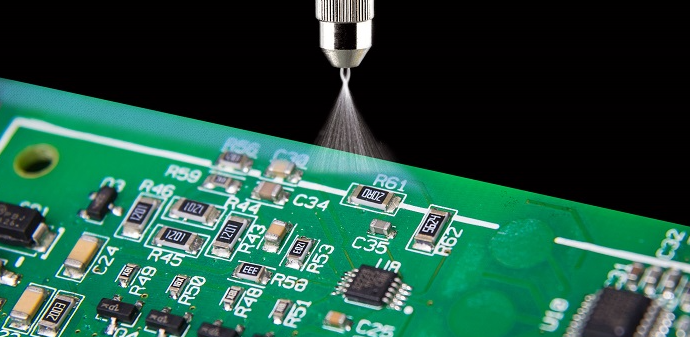
- Spraying: Fast but requires masking.
- Brushing: Manual, good for small batches.
- Dipping: Uniform coverage but may require masking.
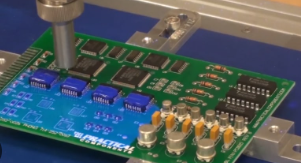
- Selective Coating: Robotic precision for high-volume production.
4.3 Reworkability
- Acrylic is easiest to remove; epoxy is the hardest.
4.4 Regulatory Compliance
- Medical (ISO 10993), automotive (IPC-CC-830), and military (MIL-I-46058C) standards.
5. Challenges and Future Trends
5.1 Common Issues
- Bubbling & Cracking: Improper curing or coating thickness.
- Delamination: Poor surface preparation.
5.2 Emerging Trends
- Nanocoatings: Thinner, more protective layers.
- UV-Curable Coatings: Faster processing.
- Eco-Friendly Formulations: Reduced VOC emissions.
6. Conclusion
PCB coating is essential for ensuring the durability and performance of electronic devices in demanding environments. The choice of coating depends on factors like environmental exposure, rework needs, and application method. As technology evolves, advanced coatings like Parylene and UV-curable materials are gaining traction. By selecting the right conformal coating, manufacturers can significantly enhance PCB reliability, extending the lifespan of electronic products across industries.