
Understanding 4 oz Copper PCB Thickness: Design, Benefits, and Applications
Introduction
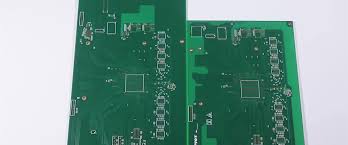
Printed Circuit Boards (PCBs) are the backbone of modern electronics, providing mechanical support and electrical connections for components. One critical aspect of PCB design is copper thickness, which directly impacts current-carrying capacity, thermal performance, and durability. Among the various copper weights available, 4 oz copper PCBs are widely used in high-power and high-reliability applications.
This article explores 4 oz copper PCB thickness, its benefits, manufacturing considerations, and typical applications. By the end, you will understand why engineers choose this copper weight and how it influences PCB performance.
What Does 4 oz Copper Mean?
Copper thickness in PCBs is measured in ounces (oz), representing the weight of copper per square foot. 1 oz copper means 1 oz of copper spread over a 1 sq. ft. area, resulting in a thickness of approximately 1.37 mils (0.00137 inches or 35 µm).
- 1 oz copper = ~1.37 mils (35 µm)
- 2 oz copper = ~2.74 mils (70 µm)
- 3 oz copper = ~4.11 mils (105 µm)
- 4 oz copper = ~5.48 mils (140 µm)
Thus, 4 oz copper PCBs have a copper layer thickness of about 5.48 mils (140 µm), making them significantly thicker than standard 1 oz or 2 oz PCBs.
Why Choose 4 oz Copper PCB Thickness?
1. Higher Current-Carrying Capacity
Thicker copper allows PCBs to handle higher currents without excessive heating. According to IPC-2152 standards, the current-carrying capacity of a trace increases with copper thickness.
Example Comparison (for a 10mm trace width at 10°C temperature rise):
- 1 oz copper: ~3 A
- 2 oz copper: ~6 A
- 4 oz copper: ~12 A
This makes 4 oz copper ideal for power electronics, motor controllers, and high-current applications.
2. Improved Thermal Management
Thicker copper conducts heat more efficiently, reducing hot spots. This is crucial for:
- Power supplies
- LED lighting (high-power LEDs)
- Automotive electronics
- Industrial motor drives
3. Enhanced Mechanical Strength
Heavy copper PCBs (like 4 oz) are more durable and resistant to thermal cycling stress, making them suitable for harsh environments.
4. Reduced Trace Width for High Currents
With 4 oz copper, designers can use narrower traces to achieve the same current capacity as a wider trace in 1 oz copper, saving space.

Manufacturing Considerations for 4 oz Copper PCBs
While 4 oz copper offers advantages, it introduces manufacturing challenges:
1. Etching Process
- Thicker copper requires longer etching times and precise control to avoid undercutting.
- Differential etching (compensating for side etching) is necessary to maintain trace accuracy.
2. Plating Requirements
- Additional electroplating may be needed to ensure uniform copper distribution in vias and through-holes.
3. Substrate Material Selection
- Standard FR-4 can handle 4 oz copper, but high-Tg (glass transition temperature) materials are preferred for better thermal stability.
4. Increased Cost
- More copper means higher material costs.
- Specialized fabrication processes add to the expense.
Applications of 4 oz Copper PCBs
Due to their high current and thermal performance, 4 oz copper PCBs are used in:
1. Power Electronics
- Switching power supplies
- Inverters & converters
- Battery management systems (BMS)
2. Automotive & Aerospace
- Electric vehicle (EV) power systems
- High-reliability aerospace PCBs
3. Industrial Equipment
- Motor controllers
- High-power relays & solenoids
4. LED Lighting
- High-power LED arrays (where heat dissipation is critical)
5. Military & Defense Systems
- Ruggedized electronics requiring durability and thermal resilience.
Comparison with Other Copper Weights
| Copper Weight (oz) | Thickness (mils) | Thickness (µm) | Best For |
|---|---|---|---|
| 1 oz | 1.37 | 35 | Low-power circuits, consumer electronics |
| 2 oz | 2.74 | 70 | Moderate power, RF circuits |
| 3 oz | 4.11 | 105 | High-current designs, power distribution |
| 4 oz | 5.48 | 140 | Extreme current, high thermal applications |
| 6+ oz | >8.2 | >210 | Ultra-high power (transformers, busbars) |
Design Tips for 4 oz Copper PCBs
- Use Wider Traces Where Possible – Reduces resistance and heat buildup.
- Optimize Thermal Relief Pads – Prevents soldering issues due to heat dissipation.
- Increase Clearance Between Traces – Avoids short circuits from copper spreading.
- Work with an Experienced PCB Manufacturer – Ensures proper etching and plating.
Conclusion
4 oz copper PCB thickness is a robust solution for high-power, high-reliability applications. Its superior current handling, thermal performance, and mechanical strength make it indispensable in power electronics, automotive systems, and industrial machinery. However, designers must account for manufacturing complexities and costs when opting for this copper weight.
By understanding its benefits and challenges, engineers can effectively leverage 4 oz copper PCBs to build durable, high-performance electronic systems.
Final Thoughts
- Best for: High-current, high-thermal applications.
- Challenges: Higher cost, complex fabrication.
- Future Trends: Increasing demand in EVs, renewable energy, and 5G infrastructure.
Would you like recommendations for PCB manufacturers specializing in heavy copper boards? Let me know how I can assist further!