
Skip to content
Andwin Circuits
  • Home
  • ProductsExpand
    • HDI multilayer PCB
    • Rigid Flex PCB
    • Flex pcb
    • Special PCBExpand
      • High Frequency PCBExpand
        • Rogers RO4350B PCB
        • Rogers RO4003 pcb
        • Rogers RO3003 PCB
        • Rogers 5880 PCB
        • DICLAD 527 PCB
        • Taconic TLX series
        • Taconic TLX-8 RF PCB
        • Taconic TLX-9 RF PCB
      • High speed pcbExpand
        • Megtron 6 High Speed PCB
        • TU-872 SLK Sp High Speed
      • High TG PCBExpand
        • SHENGYI SH260 PCB
        • ISOLA 370HR PCB
        • ISOLA IS410 PCB
        • ISOLA IS420 PCB
      • Heavy copper PCB
      • Copper coin pcb
      • Copper inlay PCB
    • Metal Core PCBExpand
      • Copper core pcb
      • Aluminum PCB
      • 2 Layers Aluminum PCB
      • Direct thermal MCPCB
      • 2 Layers Direct Thermal
    • Ceramic PCBExpand
      • DPC ceramic PCB
      • DBC ceramic PCB
      • Thick film Ceramic PCB
      • Al2O3 Alumina PCB
      • AIN ALN ceramic PCB
      • IGBT Ceramic PCB
  • ServiceExpand
    • PCB Assembly
    • Quick turn PCB assembly
    • PCBA conformal coating
  • IndustryExpand
    • Telecommunication
    • IoT and Wireless
    • Industrial Control
    • Thermal management
    • Power and Energy
    • IC test board
    • Automative
    • Medical
  • CapabilityExpand
    • Rigid PCB
    • Rigid flex PCB
    • Metal core PCB
    • PCB Assembly
  • TechnologyExpand
    • Blogs
    • Via in pad
    • PCB E-test
    • PCB stack up
    • MCPCB panelization
    • Controlled impedance PCB
  • AboutExpand
    • About us
    • Certification
    • Factory Tour
  • Contact
Andwin Circuits
Home / Dark and Granular Solder Joints on PCBs: Causes, Implications, and Solutions

Dark and Granular Solder Joints on PCBs: Causes, Implications, and Solutions

ByGrace May 19, 2025May 19, 2025

1. Introduction

Printed Circuit Boards (PCBs) are the backbone of modern electronics, and the quality of solder joints directly impacts their performance and reliability. Occasionally, PCB assemblers encounter dark or granular solder joints, which can indicate potential defects. These anomalies may arise from various factors, including poor soldering techniques, contamination, or material degradation.

This article explores the causes of dark and granular solder joints, their implications on PCB functionality, and effective solutions to prevent and rectify these issues.

2. Characteristics of Dark and Granular Solder Joints

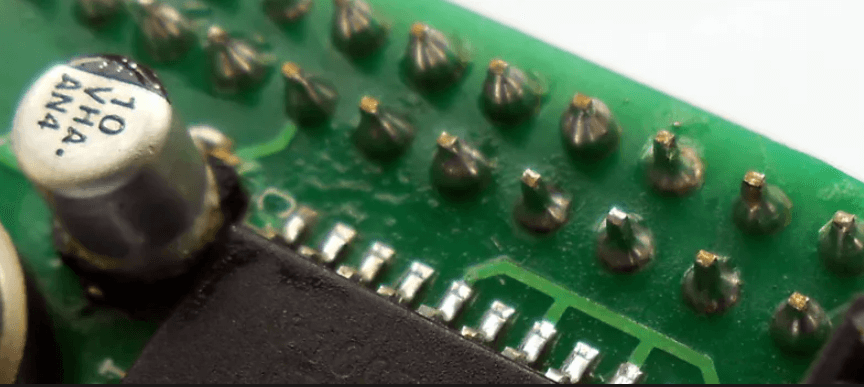
Dark or granular solder joints differ from the typical smooth, shiny appearance of a well-formed solder connection. Key characteristics include:

  • Discoloration: The solder joint appears darker than usual, often brownish or dull gray instead of silver or shiny.
  • Rough Texture: The surface may appear grainy, porous, or uneven rather than smooth.
  • Weak Mechanical Bond: Such joints may exhibit poor adhesion, increasing the risk of cracks or failures.

These defects can compromise electrical conductivity and mechanical stability, leading to intermittent connections or complete PCB failure.
Contact us for PCB quote now |

3. Common Causes of Dark and Granular Solder Joints

3.1 Oxidation and Contamination

  • Exposed Copper or Solder Pads: If the PCB pads or component leads oxidize before soldering, the solder may not wet properly, leading to dark, grainy joints.
  • Flux Residue or Contaminants: Inadequate flux activation or contamination (e.g., oils, dust) can interfere with solder flow, causing poor joint formation.

3.2 Improper Soldering Temperature

  • Excessive Heat: Overheating can burn the flux, leading to carbonization and dark residues.
  • Insufficient Heat: Cold solder joints occur when the temperature is too low, preventing proper alloy formation and resulting in a granular appearance.

3.3 Poor Solder Alloy Quality

  • Low-Quality or Oxidized Solder: Old or contaminated solder wire/paste may contain impurities that affect joint integrity.
  • Incorrect Alloy Composition: Lead-free solders (e.g., SAC305) require precise temperature control; deviations can cause granularity.

3.4 Inadequate Flux Application

  • Insufficient Flux: Without proper flux, oxidation persists, leading to poor wetting and dark joints.
  • Overuse of Flux: Excessive flux can leave behind residues that darken upon heating.

3.5 Moisture Absorption

  • PCB or Component Moisture: Absorbed moisture can vaporize during soldering, creating voids or porous joints.

4. Implications of Defective Solder Joints

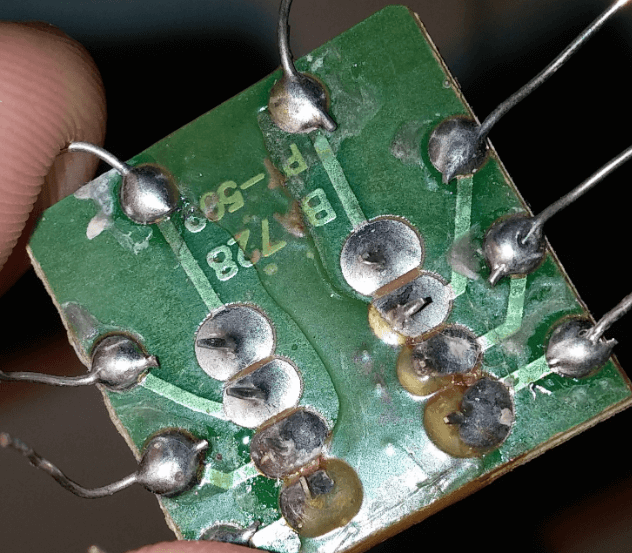
Dark and granular solder joints can lead to:

  • Intermittent Electrical Connections: Increased resistance or signal loss.
  • Mechanical Weakness: Higher risk of cracks under thermal or mechanical stress.
  • Long-Term Reliability Issues: Early failure in harsh environments (e.g., high humidity, vibration).
Contact us for PCB quote now |

5. Solutions and Prevention Strategies

5.1 Optimizing Soldering Parameters

  • Temperature Control: Use recommended reflow/wave soldering profiles (e.g., 240–260°C for lead-free solder).
  • Proper Heating Duration: Avoid prolonged exposure to prevent oxidation.

5.2 Ensuring Material Quality

  • Fresh Solder Alloys: Use high-quality solder with proper composition.
  • Storage Conditions: Keep PCBs and components in moisture-controlled environments (use baking if necessary).

5.3 Improving Flux Management

  • Use No-Clean or Rosin Flux: Ensures adequate oxidation removal without excessive residues.
  • Apply Flux Evenly: Avoid excess flux that could carbonize.

5.4 Pre-Soldering Preparation

  • Clean PCB Pads: Remove oxidation with abrasion or chemical cleaners.
  • Pre-tin Components: Prevents oxidation before final soldering.

5.5 Inspection and Rework

  • Visual and X-ray Inspection: Detect granular or dark joints early.
  • Rework Defective Joints: Reheat with flux or remove and resolder.

6. Conclusion

Dark and granular solder joints on PCBs are often symptoms of oxidation, improper soldering techniques, or material defects. Addressing these issues requires careful process control, high-quality materials, and thorough inspection. By implementing best practices in soldering temperature, flux application, and PCB handling, manufacturers can ensure reliable, high-performance solder joints, minimizing failures in electronic assemblies.

Contact us for PCB quote now |
Post Tags: #aluminum clad pcb#aluminum core pcb#aluminum core pcb led#aluminum pcb#assemble pcb#Dark and Granular Solder Joints on PCBs: Causes#Implications

Post navigation

Previous Previous
Special Component PCB Layout Requirements: Key Considerations and Best Practices
NextContinue
Why Crystal Oscillators Should Not Be Placed Near PCB Edges

Search

Search

Products

  • HDI Multilayer PCB
  • Rigid Flex PCB
  • Flex pcb
  • High Frequency PCB
  • High speed pcb
  • Heavy copper PCB
  • Metal Core PCB
  • Ceramic PCB

Address

Andwin Circuits Co.,Limited
Email: sales@andwinpcb.com
Tel: +86 755 2832 9394
Fax:+86 755 2992  6717
ADD:1-2F-1217,HouDeQun Industrial park,
NanTing RD NO.56,ShaJing,BaoAn,Shenzhen 518104,GuangDong,China

Products

  • HDI Multilayer PCB
  • Rigid Flex PCB
  • Flex pcb
  • High Frequency PCB
  • High speed pcb
  • Heavy copper PCB
  • Metal Core PCB
  • Ceramic PCB

Technology

  • Blogs
  • Via in pad
  • PCB E-test
  • PCB stack up
  • Metal core PCB panelization
  • Controlled impedance PCB

CERTIFICATION

Certification >>


Copyright© 2003 - 2026 Andwin | All Rights Reserved | Powered by Andwin

Scroll to top
  • Home
  • Products
    • HDI multilayer PCB
    • Rigid Flex PCB
    • Flex pcb
    • Special PCB
      • High Frequency PCB
        • Rogers RO4350B PCB
        • Rogers RO4003 pcb
        • Rogers RO3003 PCB
        • Rogers 5880 PCB
        • DICLAD 527 PCB
        • Taconic TLX series
        • Taconic TLX-8 RF PCB
        • Taconic TLX-9 RF PCB
      • High speed pcb
        • Megtron 6 High Speed PCB
        • TU-872 SLK Sp High Speed
      • High TG PCB
        • SHENGYI SH260 PCB
        • ISOLA 370HR PCB
        • ISOLA IS410 PCB
        • ISOLA IS420 PCB
      • Heavy copper PCB
      • Copper coin pcb
      • Copper inlay PCB
    • Metal Core PCB
      • Copper core pcb
      • Aluminum PCB
      • 2 Layers Aluminum PCB
      • Direct thermal MCPCB
      • 2 Layers Direct Thermal
    • Ceramic PCB
      • DPC ceramic PCB
      • DBC ceramic PCB
      • Thick film Ceramic PCB
      • Al2O3 Alumina PCB
      • AIN ALN ceramic PCB
      • IGBT Ceramic PCB
  • Service
    • PCB Assembly
    • Quick turn PCB assembly
    • PCBA conformal coating
  • Industry
    • Telecommunication
    • IoT and Wireless
    • Industrial Control
    • Thermal management
    • Power and Energy
    • IC test board
    • Automative
    • Medical
  • Capability
    • Rigid PCB
    • Rigid flex PCB
    • Metal core PCB
    • PCB Assembly
  • Technology
    • Blogs
    • Via in pad
    • PCB E-test
    • PCB stack up
    • MCPCB panelization
    • Controlled impedance PCB
  • About
    • About us
    • Certification
    • Factory Tour
  • Contact
Search