
What to Use to Clean Circuit Boards and How to Clean Them Properly
Introduction
Circuit boards are essential components in electronic devices, and keeping them clean is crucial for optimal performance and longevity. Dust, dirt, flux residues, and other contaminants can cause short circuits, corrosion, or even complete failure. Therefore, knowing the right cleaning methods and materials is vital for electronics maintenance, repair, and manufacturing.
This article explores the best cleaning agents for circuit boards, step-by-step cleaning procedures, safety precautions, and common mistakes to avoid.
1. Common Contaminants on Circuit Boards
Before cleaning, it’s important to identify the types of contaminants that may affect a circuit board:
- Flux residues (leftover from soldering)
- Dust and dirt (accumulated over time)
- Oils and fingerprints (from handling)
- Oxidation and corrosion (due to moisture exposure)
- Solder splashes and debris (from manufacturing or repairs)
Each type of contamination may require a different cleaning approach.
2. Best Cleaning Agents for Circuit Boards
Choosing the right cleaning solution depends on the type of contamination and the sensitivity of the components. Here are the most commonly used cleaning agents:
A. Isopropyl Alcohol (IPA)
- Best for: General cleaning, removing light flux residues, oils, and dust.
- Concentration: 70% to 99% (higher purity is better for electronics).
- Advantages: Evaporates quickly, non-conductive, and widely available.
- Disadvantages: May not remove heavy flux residues effectively.
B. Deionized (DI) Water
- Best for: Water-soluble flux residues and light cleaning.
- Advantages: Non-toxic, safe for most components.
- Disadvantages: Must be completely dried to prevent corrosion.
C. Commercial PCB Cleaners
- Best for: Heavy flux residues and industrial cleaning.
- Examples: Flux removers, specialized electronics cleaners.
- Advantages: Highly effective for tough contaminants.
- Disadvantages: Some may contain harsh chemicals.
D. Ultrasonic Cleaners
- Best for: Deep cleaning of heavily contaminated boards.
- Process: Uses high-frequency sound waves in a cleaning solution.
- Advantages: Reaches tiny crevices.
- Disadvantages: Risk of damaging sensitive components if misused.
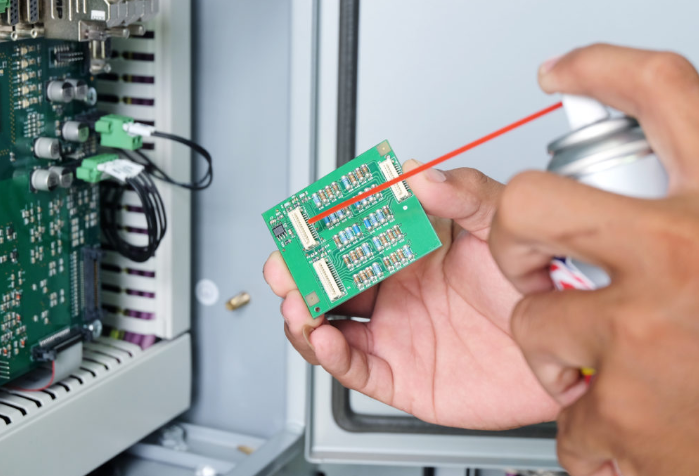
E. Compressed Air
- Best for: Removing loose dust and debris.
- Advantages: Quick and non-invasive.
- Disadvantages: Doesn’t remove sticky residues.
3. Step-by-Step Guide to Cleaning Circuit Boards
Step 1: Power Off and Disconnect
- Ensure the circuit board is completely disconnected from any power source.
- Remove batteries if applicable.
Step 2: Dry Cleaning (Initial Removal of Loose Debris)
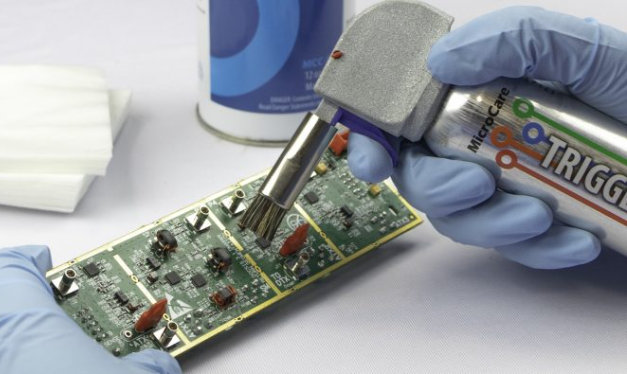
- Use a soft brush or compressed air to remove dust and loose particles.
Step 3: Apply Cleaning Solution
- For light cleaning: Dampen a lint-free cloth or cotton swab with isopropyl alcohol (IPA) and gently wipe the board.
- For heavy flux residues: Use a commercial flux remover or a stronger solvent.
Step 4: Scrubbing (If Necessary)
- Use a soft-bristle brush (e.g., an anti-static brush) for stubborn residues.
- Avoid abrasive materials that could damage traces.
Step 5: Rinsing (For Water-Soluble Fluxes)
- If using DI water, rinse the board gently and ensure no residue remains.
Step 6: Drying
- Let the board air-dry or use compressed air to remove excess liquid.
- For thorough drying, place the board in a warm (not hot) environment or use a low-heat setting on a hairdryer.
Step 7: Inspection
- Check for remaining residues or moisture before reassembling.
4. Safety Precautions
- Work in a well-ventilated area (some solvents emit fumes).
- Wear gloves and safety goggles to protect against chemicals.
- Avoid static discharge by using an anti-static wrist strap.
- Do not use abrasive tools (steel wool, harsh brushes) that can damage circuits.
- Never submerge components unless they are explicitly waterproof.
5. Common Mistakes to Avoid
- Using tap water (minerals can cause corrosion).
- Over-saturating the board (excess liquid can seep into components).
- Ignoring manufacturer guidelines (some boards have specific cleaning requirements).
- Using household cleaners (many contain corrosive chemicals).
6. Conclusion
Cleaning circuit boards properly extends their lifespan and ensures reliable performance. The best cleaning method depends on the type of contamination and the board’s sensitivity. Isopropyl alcohol is the most common choice for general cleaning, while specialized flux removers or ultrasonic cleaners may be needed for tougher jobs. Always follow safety precautions and avoid harsh chemicals that could damage electronic components.
By following these guidelines, you can maintain circuit boards effectively, whether for DIY repairs, industrial maintenance, or manufacturing quality control.