
The Benefits of Using Robots in the PCB Industry
Introduction
The Printed Circuit Board (PCB) industry is a cornerstone of modern electronics manufacturing, producing essential components for devices ranging from smartphones to industrial machinery. As demand for smaller, more complex, and higher-quality PCBs grows, manufacturers are increasingly turning to automation and robotics to enhance efficiency, precision, and scalability.
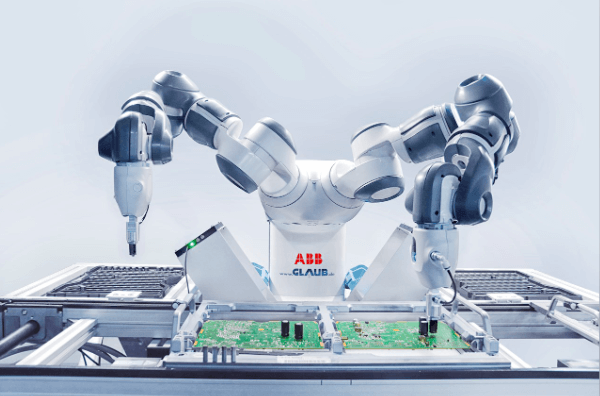
Robots have revolutionized PCB manufacturing by performing tasks such as assembly, soldering, testing, and inspection with unparalleled accuracy and speed. This article explores the key benefits of integrating robots into the PCB industry, including improved productivity, reduced errors, enhanced flexibility, and cost savings.
1. Increased Production Efficiency
One of the most significant advantages of using robots in PCB manufacturing is the dramatic improvement in production efficiency.
A. Faster Assembly and Processing
Robots can perform repetitive tasks at high speeds without fatigue, significantly reducing cycle times. For example:
- Pick-and-place robots can mount thousands of components per hour with micron-level precision.
- Automated soldering robots ensure consistent joint quality at speeds far exceeding manual work.
B. 24/7 Operation
Unlike human workers, robots can operate continuously without breaks, enabling:
- Higher throughput with minimal downtime.
- Faster time-to-market for PCB products.
By automating labor-intensive processes, manufacturers can meet growing demand while maintaining consistent output.

2. Enhanced Precision and Quality Control
PCBs require extremely precise component placement and soldering to function correctly. Even minor errors can lead to failures in electronic devices. Robots excel in delivering consistent, high-quality results.
A. Micron-Level Accuracy
- Vision-guided robots use cameras and sensors to place components with sub-millimeter precision.
- Laser soldering robots create perfect joints without thermal damage to sensitive parts.
B. Reduced Defects and Rework
- Automated optical inspection (AOI) robots detect flaws such as misalignments, solder bridges, or missing components.
- Machine learning algorithms can predict and prevent defects before they occur.
As a result, manufacturers experience fewer defects, lower scrap rates, and improved product reliability.
3. Cost Savings and Return on Investment (ROI)
While the initial investment in robotics can be substantial, the long-term cost benefits are compelling.
A. Reduced Labor Costs
- Robots eliminate the need for large manual workforces in repetitive tasks.
- Companies can reallocate human workers to higher-value roles like design and supervision.
B. Lower Material Waste
- Precise robotic processes minimize errors, reducing wasted materials.
- Predictive maintenance prevents unexpected machine failures that lead to costly downtime.
C. Scalability
- Robotic systems can be reprogrammed and redeployed for different PCB designs, avoiding the need for expensive retooling.
Over time, these savings contribute to a strong ROI, making robotics a financially sound choice for PCB manufacturers.
4. Improved Workplace Safety
PCB manufacturing involves hazardous tasks such as handling toxic chemicals, high-temperature soldering, and working with sharp components. Robots enhance workplace safety by:
A. Handling Dangerous Materials
- Robots can manage lead-based soldering and chemical etching without exposing workers to health risks.
B. Reducing Repetitive Strain Injuries
- Automation eliminates monotonous tasks that cause ergonomic injuries in human workers.
C. Minimizing Electrical Hazards
- Robots can safely test high-voltage PCBs without risk of electric shock.
By reducing workplace accidents, companies lower insurance costs and improve employee well-being.
5. Flexibility and Adaptability to Changing Demands
The electronics industry evolves rapidly, requiring PCB manufacturers to adapt to new designs and technologies quickly. Robots provide the necessary flexibility.
A. Quick Reprogramming for New Designs
- Unlike fixed automation, robotic systems can be reprogrammed for different PCB layouts with minimal downtime.
B. Support for Miniaturization and High-Density PCBs
- Advanced robots can handle ultra-small components (01005, 0201 packages) and complex multi-layer boards.
C. Integration with Industry 4.0 and IoT
- Smart robots can communicate with other machines, enabling real-time adjustments and data-driven optimization.
This adaptability ensures manufacturers remain competitive in a fast-changing market.
6. Consistency and Traceability
Quality assurance is critical in PCB manufacturing, especially for industries like aerospace, medical devices, and automotive electronics. Robots enhance traceability and compliance.
A. Data Logging for Quality Assurance
- Robots record process parameters (temperature, pressure, placement accuracy) for each PCB, ensuring full traceability.
B. Compliance with Industry Standards
- Automated systems adhere to strict IPC (Association Connecting Electronics Industries) standards, reducing compliance risks.
C. Reduced Human Error
- Unlike manual workers, robots do not suffer from fatigue or inconsistency, ensuring uniform quality across batches.

7. Environmental Benefits
Sustainability is becoming a priority in manufacturing, and robotics contribute to greener PCB production.
A. Reduced Energy and Material Consumption
- Precision automation minimizes waste and optimizes resource usage.
B. Lower Emissions
- Closed-loop robotic soldering reduces fumes compared to manual processes.
C. Longer Equipment Lifespan
- Robots operate with minimal wear and tear, reducing electronic waste from faulty PCBs.
Conclusion
The integration of robots into the PCB industry offers transformative benefits, including increased productivity, superior precision, cost savings, enhanced safety, and greater flexibility. As technology advances, robotics will play an even more critical role in meeting the demands of next-generation electronics.
Manufacturers who embrace robotic automation will gain a competitive edge, delivering high-quality PCBs faster, more reliably, and at a lower cost. The future of PCB manufacturing is undeniably robotic, and companies that invest in this technology today will lead the industry tomorrow.
By leveraging robotics, the PCB sector can achieve unprecedented levels of efficiency, innovation, and sustainability—paving the way for smarter, more advanced electronic devices worldwide.