
Recycling and Treatment Methods for Waste PCB Boards: A Comprehensive Analysis
Introduction
Printed Circuit Boards (PCBs) are essential components in nearly all electronic devices, from smartphones and computers to industrial machinery. With the rapid advancement of technology and the shortening of electronic product lifecycles, the disposal of waste PCBs has become a significant environmental challenge. PCBs contain valuable metals (such as copper, gold, and silver) as well as hazardous substances (including lead, mercury, and brominated flame retardants), making their recycling both economically beneficial and environmentally necessary.
This article explores various recycling and treatment methods for waste PCBs, including mechanical recycling, pyrometallurgy, hydrometallurgy, biometallurgy, and emerging technologies. Additionally, it discusses the advantages, limitations, and future trends in PCB recycling.
1. Composition and Hazards of Waste PCBs
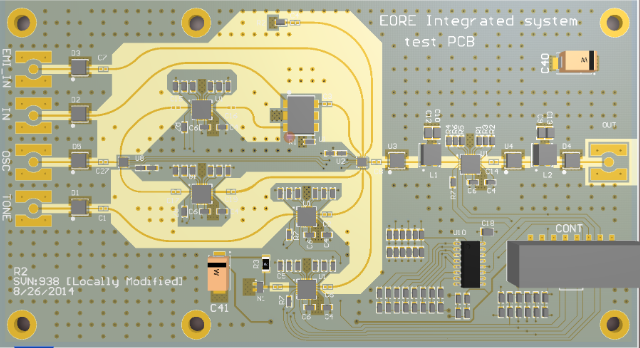
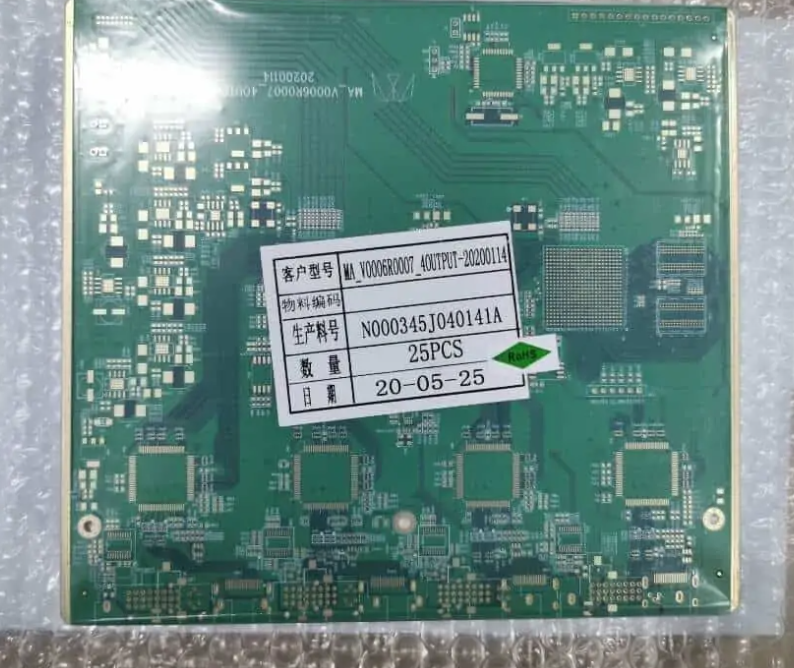
Before discussing recycling methods, it is essential to understand the composition of PCBs. A typical PCB consists of:
- Metals (30%–40%): Copper (the most abundant), gold, silver, palladium, tin, and nickel.
- Plastics and resins (30%–40%): Epoxy resins, fiberglass, and flame retardants.
- Ceramics and other materials (20%–30%): Silica, aluminum oxide, and other inert materials.
Improper disposal of PCBs can lead to severe environmental pollution due to heavy metals and toxic organic compounds. Therefore, efficient recycling is crucial to recover valuable materials while minimizing environmental harm.

2. Recycling and Treatment Methods for Waste PCBs
2.1 Mechanical Recycling
Mechanical recycling involves physical processes to separate metals and non-metals from PCBs. The typical steps include:
- Dismantling: Removing reusable components manually or using automated systems.
- Shredding and Crushing: Reducing PCBs into smaller particles for easier separation.
- Separation Techniques:
- Magnetic Separation: Removes ferrous metals using magnets.
- Eddy Current Separation: Recovers non-ferrous metals like aluminum.
- Air Classification: Separates light plastics from heavier metal fractions.
- Electrostatic Separation: Uses electrical charges to isolate conductive metals from non-conductive materials.
Advantages:
- Low energy consumption compared to chemical methods.
- No hazardous chemical byproducts.
Limitations:
- Incomplete separation of fine metal particles.
- Requires further refining for high-purity metal recovery.
2.2 Pyrometallurgy
Pyrometallurgy uses high-temperature processes to extract metals from PCBs. Common methods include:
- Incineration: Burns off organic materials, leaving behind metals.
- Smelting: Melts PCBs in furnaces (e.g., blast or electric arc furnaces) to separate metals.
- Thermal Degradation: Decomposes plastics at high temperatures in an oxygen-free environment (pyrolysis).
Advantages:
- High recovery rates for precious metals.
- Suitable for large-scale industrial applications.
Limitations:
- High energy consumption.
- Generates toxic fumes (dioxins, furans) if not properly controlled.
- Requires sophisticated gas treatment systems to prevent pollution.
2.3 Hydrometallurgy
Hydrometallurgy involves dissolving metals from PCBs using chemical solutions. The process typically includes:
- Leaching: Metals are dissolved in acids (e.g., sulfuric acid, nitric acid) or alkaline solutions.
- Purification and Concentration: Solvent extraction or ion exchange removes impurities.
- Metal Recovery: Electrowinning or precipitation recovers pure metals.
Advantages:
- High selectivity for specific metals (e.g., gold, copper).
- Lower energy consumption than pyrometallurgy.
Limitations:
- Generates acidic or alkaline wastewater requiring treatment.
- Some chemicals (e.g., cyanide) are highly toxic.
2.4 Biometallurgy (Bioleaching)
Biometallurgy employs microorganisms (bacteria, fungi) to extract metals from PCBs. Common bioleaching bacteria include Acidithiobacillus ferrooxidans and Chromobacterium violaceum.
Process:
- Microbes oxidize metal sulfides, releasing metal ions.
- Metals are recovered from the solution via precipitation or electrowinning.
Advantages:
- Environmentally friendly with minimal chemical use.
- Low energy requirements.
Limitations:
- Slow process (weeks or months).
- Sensitive to environmental conditions (pH, temperature).
2.5 Emerging Technologies
(1) Supercritical Fluid Extraction
Uses supercritical CO₂ to dissolve and recover metals without hazardous chemicals.
(2) Ionic Liquid Treatment
Ionic liquids (salt in liquid state) selectively dissolve metals at low temperatures.
(3) Electrochemical Methods
Electrochemical leaching and recovery reduce chemical usage.
3. Challenges and Future Trends
3.1 Challenges in PCB Recycling
- Complex Composition: PCBs contain mixed materials that are difficult to separate.
- Hazardous Substances: Safe handling of toxic elements is essential.
- Economic Viability: High costs of advanced recycling technologies.
3.2 Future Trends
- Automated Sorting: AI and robotics for efficient PCB dismantling.
- Green Chemistry: Development of non-toxic leaching agents.
- Circular Economy Models: Manufacturers adopting eco-design for easier recycling.
Conclusion
The recycling of waste PCBs is critical for resource conservation and environmental protection. While mechanical, pyrometallurgical, and hydrometallurgical methods dominate current practices, emerging technologies like bioleaching and supercritical fluid extraction offer promising alternatives. Future advancements should focus on improving efficiency, reducing costs, and minimizing environmental impact. Governments, industries, and researchers must collaborate to establish sustainable PCB recycling systems worldwide.
By adopting innovative recycling techniques, we can transform electronic waste into valuable resources, contributing to a greener and more sustainable future.