
Skip to content
Andwin Circuits
  • Home
  • ProductsExpand
    • HDI multilayer PCB
    • Rigid Flex PCB
    • Flex pcb
    • Special PCBExpand
      • High Frequency PCBExpand
        • Rogers RO4350B PCB
        • Rogers RO4003 pcb
        • Rogers RO3003 PCB
        • Rogers 5880 PCB
        • DICLAD 527 PCB
        • Taconic TLX series
        • Taconic TLX-8 RF PCB
        • Taconic TLX-9 RF PCB
      • High speed pcbExpand
        • Megtron 6 High Speed PCB
        • TU-872 SLK Sp High Speed
      • High TG PCBExpand
        • SHENGYI SH260 PCB
        • ISOLA 370HR PCB
        • ISOLA IS410 PCB
        • ISOLA IS420 PCB
      • Heavy copper PCB
      • Copper coin pcb
      • Copper inlay PCB
    • Metal Core PCBExpand
      • Copper core pcb
      • Aluminum PCB
      • 2 Layers Aluminum PCB
      • Direct thermal MCPCB
      • 2 Layers Direct Thermal
    • Ceramic PCBExpand
      • DPC ceramic PCB
      • DBC ceramic PCB
      • Thick film Ceramic PCB
      • Al2O3 Alumina PCB
      • AIN ALN ceramic PCB
      • IGBT Ceramic PCB
  • ServiceExpand
    • PCB Assembly
    • Quick turn PCB assembly
    • PCBA conformal coating
  • IndustryExpand
    • Telecommunication
    • IoT and Wireless
    • Industrial Control
    • Thermal management
    • Power and Energy
    • IC test board
    • Automative
    • Medical
  • CapabilityExpand
    • Rigid PCB
    • Rigid flex PCB
    • Metal core PCB
    • PCB Assembly
  • TechnologyExpand
    • Blogs
    • Via in pad
    • PCB E-test
    • PCB stack up
    • MCPCB panelization
    • Controlled impedance PCB
  • AboutExpand
    • About us
    • Certification
    • Factory Tour
  • Contact
Andwin Circuits
Home / Does PCB Prototyping Require Mold Opening? A Comprehensive Guide

Does PCB Prototyping Require Mold Opening? A Comprehensive Guide

ByGrace June 14, 2025June 13, 2025

Introduction

Printed Circuit Board (PCB) prototyping is a crucial step in electronics development, allowing engineers to test and refine their designs before mass production. A common question among designers and manufacturers is whether PCB prototyping requires mold opening (tooling), as this can impact cost, lead time, and design flexibility.

This article explores the necessity of mold opening in PCB prototyping, comparing different fabrication methods, and discussing factors that influence the decision.

Understanding PCB Prototyping

PCB prototyping involves creating a small batch of boards to validate functionality, performance, and manufacturability. Unlike mass production, prototyping focuses on speed and flexibility rather than cost optimization.
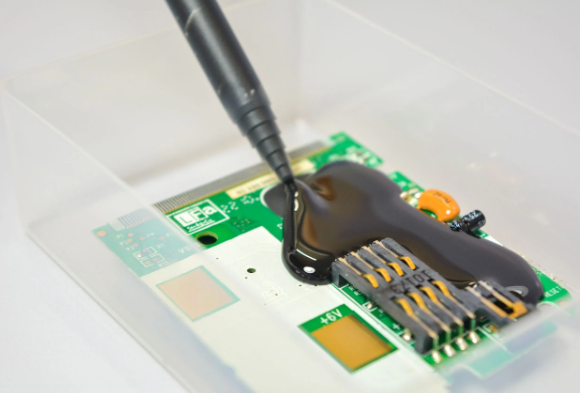
Contact us for PCB quote now |

Key PCB Prototyping Methods

  1. Traditional PCB Fabrication
  • Uses subtractive methods (etching copper layers).
  • No mold required; relies on drilling, plating, and etching.
  1. Additive Manufacturing (3D Printing)
  • Emerging technology for rapid PCB prototyping.
  • No mold needed; builds layers using conductive inks.
  1. CNC Milling
  • Mechanically removes copper to form traces.
  • Suitable for single-layer or simple designs.
  1. Flexible PCB Prototyping
  • Uses laser cutting or chemical etching.
  • Mold opening is unnecessary for small batches.

When Is Mold Opening Required in PCB Manufacturing?

Mold opening (tooling) is typically associated with injection molding or stamping processes, not standard PCB fabrication. However, certain scenarios may involve molds:

1. PCB Housing or Encapsulation

  • If the PCB requires a custom plastic enclosure, injection molding may be needed.
  • Example: Consumer electronics with molded casings.

2. Specialized PCB Manufacturing

  • Some high-frequency or rigid-flex PCBs may use molded substrates.
  • Example: Automotive or aerospace applications.

3. Mass Production vs. Prototyping

  • Prototyping rarely involves molds unless testing mechanical integration.
  • Mass production may use molds for non-PCB components (e.g., connectors).
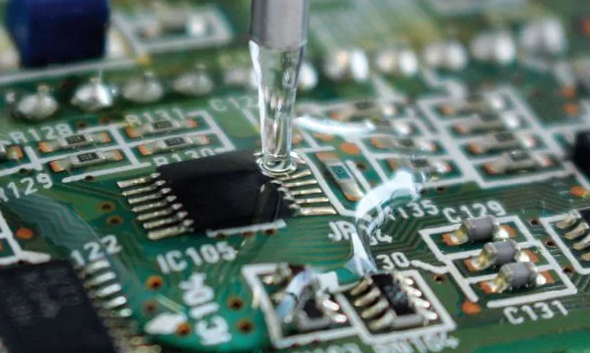
PCB Prototyping Without Mold Opening

Most PCB prototypes are fabricated using etching, drilling, and plating processes that do not require molds. Key advantages include:

  • Faster Turnaround (24-hour to 5-day delivery).
  • Lower Cost (no upfront tooling investment).
  • Design Flexibility (easy revisions between iterations).

Common PCB Prototyping Services

  1. Online PCB Manufacturers (e.g., JLCPCB, PCBWay)
  • Offer low-cost, quick-turn prototypes without molds.
  • Support FR-4, aluminum, and flexible substrates.
  1. In-House Prototyping
  • Small-scale etching or milling for quick validation.

Cases Where Mold-Like Processes Are Used

While traditional PCBs don’t need molds, some advanced techniques involve similar concepts:

1. Stencil Creation for Solder Paste

  • Laser-cut stencils ensure precise solder application.
  • Not a “mold” but a tooling requirement for assembly.

2. Press-Fit or Molded Interconnects

  • Some high-density designs use molded pins or connectors.

3. Embedded Component PCBs

  • Components encapsulated within the PCB may require molding.

Cost and Time Implications

  • No Mold Opening = Lower cost ($5–$100 per prototype).
  • With Mold Opening = Higher cost ($500–$5000+ for tooling).

Lead times:

  • Standard PCB: 1–7 days.
  • Mold-dependent parts: 2–8 weeks.

Conclusion

For most PCB prototyping needs, mold opening is unnecessary. Standard fabrication methods (etching, milling, or additive manufacturing) suffice for functional testing. However, if the design involves custom enclosures or specialized materials, mold-related processes may come into play.

Engineers should consult with PCB manufacturers to determine the best approach based on design complexity, budget, and production scale.

Final Recommendations

  • For pure PCB testing: Avoid molds; use quick-turn prototyping services.
  • For integrated assemblies: Evaluate if mechanical molds are needed.
  • For mass production: Consider tooling costs only after successful prototyping.

By understanding these distinctions, designers can optimize their prototyping strategy for efficiency and cost-effectiveness.

Contact us for PCB quote now |
Post Tags: #aluminum clad pcb#aluminum core pcb#aluminum pcb#assemble pcb

Post navigation

Previous Previous
PCB Layout and Routing Requirements for Reset Circuits
NextContinue
The Top 3 Causes of PCB Via Plugging Failures and Effective Solutions

Search

Search

Products

  • HDI Multilayer PCB
  • Rigid Flex PCB
  • Flex pcb
  • High Frequency PCB
  • High speed pcb
  • Heavy copper PCB
  • Metal Core PCB
  • Ceramic PCB

Address

Andwin Circuits Co.,Limited
Email: sales@andwinpcb.com
Tel: +86 755 2832 9394
Fax:+86 755 2992  6717
ADD:1-2F-1217,HouDeQun Industrial park,
NanTing RD NO.56,ShaJing,BaoAn,Shenzhen 518104,GuangDong,China

Products

  • HDI Multilayer PCB
  • Rigid Flex PCB
  • Flex pcb
  • High Frequency PCB
  • High speed pcb
  • Heavy copper PCB
  • Metal Core PCB
  • Ceramic PCB

Technology

  • Blogs
  • Via in pad
  • PCB E-test
  • PCB stack up
  • Metal core PCB panelization
  • Controlled impedance PCB

CERTIFICATION

Certification >>


Copyright© 2003 - 2026 Andwin | All Rights Reserved | Powered by Andwin

Scroll to top
  • Home
  • Products
    • HDI multilayer PCB
    • Rigid Flex PCB
    • Flex pcb
    • Special PCB
      • High Frequency PCB
        • Rogers RO4350B PCB
        • Rogers RO4003 pcb
        • Rogers RO3003 PCB
        • Rogers 5880 PCB
        • DICLAD 527 PCB
        • Taconic TLX series
        • Taconic TLX-8 RF PCB
        • Taconic TLX-9 RF PCB
      • High speed pcb
        • Megtron 6 High Speed PCB
        • TU-872 SLK Sp High Speed
      • High TG PCB
        • SHENGYI SH260 PCB
        • ISOLA 370HR PCB
        • ISOLA IS410 PCB
        • ISOLA IS420 PCB
      • Heavy copper PCB
      • Copper coin pcb
      • Copper inlay PCB
    • Metal Core PCB
      • Copper core pcb
      • Aluminum PCB
      • 2 Layers Aluminum PCB
      • Direct thermal MCPCB
      • 2 Layers Direct Thermal
    • Ceramic PCB
      • DPC ceramic PCB
      • DBC ceramic PCB
      • Thick film Ceramic PCB
      • Al2O3 Alumina PCB
      • AIN ALN ceramic PCB
      • IGBT Ceramic PCB
  • Service
    • PCB Assembly
    • Quick turn PCB assembly
    • PCBA conformal coating
  • Industry
    • Telecommunication
    • IoT and Wireless
    • Industrial Control
    • Thermal management
    • Power and Energy
    • IC test board
    • Automative
    • Medical
  • Capability
    • Rigid PCB
    • Rigid flex PCB
    • Metal core PCB
    • PCB Assembly
  • Technology
    • Blogs
    • Via in pad
    • PCB E-test
    • PCB stack up
    • MCPCB panelization
    • Controlled impedance PCB
  • About
    • About us
    • Certification
    • Factory Tour
  • Contact
Search