
PCB material selection and performance
PCB boards are widely used in the electronics industry. As one of the important components of electronic equipment, they are responsible for connecting various electronic components. The performance of PCB boards directly affects the quality and stability of electronic equipment. The material selection of PCB boards is one of the key factors affecting the performance of PCB boards. This article will compare and analyze common PCB materials to facilitate the selection of suitable materials for application in different circuit board designs.
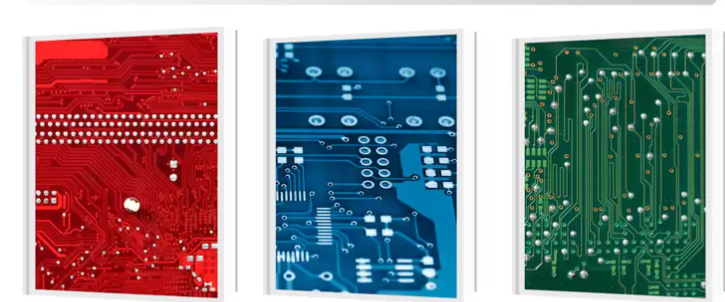
Depending on the needs of different applications, the types of materials for PCB boards are also different. Currently, common PCB board materials are mainly divided into the following categories:
1.Silicon carbide material
Silicon carbide material has a relatively high thermal conductivity and is an ideal choice for circuit boards with relatively high temperatures, such as automotive electronics, aerospace electronics and other fields. Silicon carbide materials also have the advantages of high temperature resistance and low energy consumption. However, the cost of silicon carbide materials is relatively high, and the hardness is relatively large, making them difficult to process.
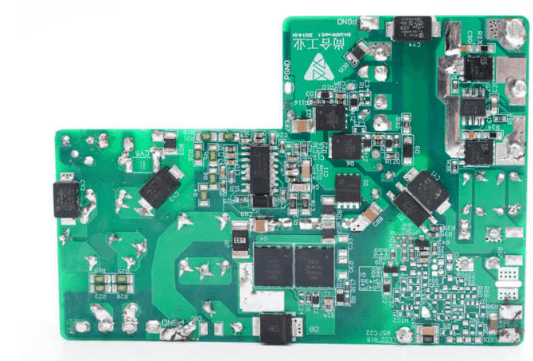
2.FR-4 material
FR-4 material is one of the most common PCB board materials and is widely used. FR-4 material has good insulation performance, mechanical strength, thermal stability and other characteristics, and is inexpensive. However, FR-4 material also has some problems, such as large dielectric constant drift and insufficient flame retardancy.
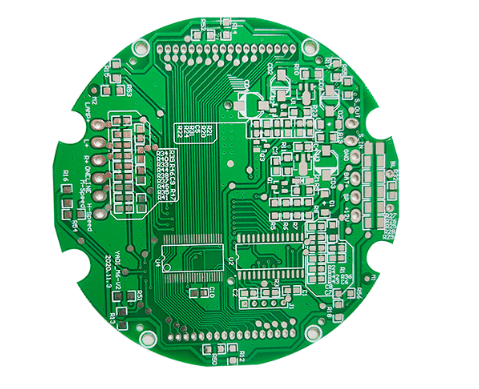
3.Metal materials
Metal materials refer to metal materials such as aluminum, copper, tungsten, and cobalt. These materials have good electrical conductivity, can effectively improve the conductivity of PCB boards, and have good cooling performance. The disadvantage of metal materials is that the material cost is high, and it is easy to generate electromagnetic fields, which requires shielding.
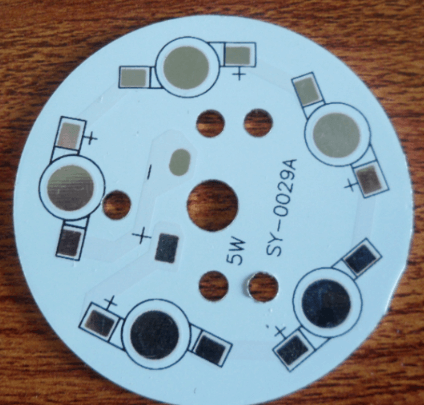
4.Polytetrafluoro ethylene material
Polytetrafluoroethylene material has good chemical resistance, high temperature resistance, and dielectric resistance. It can be applied to high-speed transmission circuit boards, and polytetrafluoroethylene material can also be applied to microwave circuit boards, but the disadvantage of polytetrafluoroethylene material is that the cost is high.

Comparison of PCB board material performance
1.Dielectric constant
The dielectric constant is one of the important indicators that affect the conductivity of PCB boards. Different PCB board materials have different dielectric constants. Generally speaking, the smaller the dielectric constant, the smaller the attenuation of the electrical signal during transmission, and the faster the transmission speed. Among the common PCB materials on the market, the dielectric constant of FR-4 material is about 4.5-5.5, while the dielectric constant of polytetrafluoroethylene material is only 2.1. The material with the smallest dielectric constant is fluorinated polyurethane material, which has a dielectric constant of only 1.8. For high-speed circuit board design, choosing a material with a smaller dielectric constant can increase the transmission speed and transmission distance.
2.Mechanical strength
PCB boards need to withstand various mechanical stresses during use, so they need to have a certain mechanical strength. Mechanical strength mainly includes indicators such as bending strength, tensile strength, and hardness. Silicon carbide materials have a large hardness and good bending and tensile strength, which are suitable for high temperature and high strength environments. The mechanical strength of FR-4 materials is also relatively good, but it is prone to deformation and cracking in high temperature and high humidity environments, so reinforcement treatment is required. Polytetrafluoroethylene materials have poor mechanical strength and generally need to be compounded with other materials.
3.Thermal stability
PCB boards need to withstand certain thermal stresses during use, so thermal stability is also one of the key indicators. Silicon carbide materials and FR-4 materials have high thermal stability, can work stably in high temperature environments, and can withstand repeated hot and cold cycles. Polytetrafluoroethylene materials also have good high temperature resistance and can work in high temperature environments.
4.Flame retardant performance
PCB boards need to have certain flame retardant properties during use to prevent safety accidents such as fires in circuit boards. Silicon carbide materials have good flame retardant properties and have high heat resistance and fire resistance. FR-4 materials also have good flame retardant properties, but in some special high temperature and high humidity environments, the flame retardant properties will decrease and need to be treated. Polytetrafluoroethylene materials have poor flame retardant properties and need to be fireproofed.
Based on the above analysis, silicon carbide materials are suitable for circuit board design in high temperature and high strength environments, FR-4 materials are suitable for general circuit board design, and polytetrafluoroethylene materials are suitable for high-speed transmission and microwave circuit board design. Choosing the right PCB material can effectively improve the conductivity, mechanical strength, thermal stability and flame retardant properties of the circuit board, improve the quality and stability of the circuit board, and be suitable for different electronic equipment applications.