
Skip to content
Andwin Circuits
  • Home
  • ProductsExpand
    • HDI multilayer PCB
    • Rigid Flex PCB
    • Flex pcb
    • Special PCBExpand
      • High Frequency PCBExpand
        • Rogers RO4350B PCB
        • Rogers RO4003 pcb
        • Rogers RO3003 PCB
        • Rogers 5880 PCB
        • DICLAD 527 PCB
        • Taconic TLX series
        • Taconic TLX-8 RF PCB
        • Taconic TLX-9 RF PCB
      • High speed pcbExpand
        • Megtron 6 High Speed PCB
        • TU-872 SLK Sp High Speed
      • High TG PCBExpand
        • SHENGYI SH260 PCB
        • ISOLA 370HR PCB
        • ISOLA IS410 PCB
        • ISOLA IS420 PCB
      • Heavy copper PCB
      • Copper coin pcb
      • Copper inlay PCB
    • Metal Core PCBExpand
      • Copper core pcb
      • Aluminum PCB
      • 2 Layers Aluminum PCB
      • Direct thermal MCPCB
      • 2 Layers Direct Thermal
    • Ceramic PCBExpand
      • DPC ceramic PCB
      • DBC ceramic PCB
      • Thick film Ceramic PCB
      • Al2O3 Alumina PCB
      • AIN ALN ceramic PCB
      • IGBT Ceramic PCB
  • ServiceExpand
    • PCB Assembly
    • Quick turn PCB assembly
    • PCBA conformal coating
  • IndustryExpand
    • Telecommunication
    • IoT and Wireless
    • Industrial Control
    • Thermal management
    • Power and Energy
    • IC test board
    • Automative
    • Medical
  • CapabilityExpand
    • Rigid PCB
    • Rigid flex PCB
    • Metal core PCB
    • PCB Assembly
  • TechnologyExpand
    • Blogs
    • Via in pad
    • PCB E-test
    • PCB stack up
    • MCPCB panelization
    • Controlled impedance PCB
  • AboutExpand
    • About us
    • Certification
    • Factory Tour
  • Contact
Andwin Circuits
Home / Blogs / 4 Layers Rigid-Flex PCB

4 Layers Rigid-Flex PCB

ByIvy June 3, 2023June 18, 2024

A printed circuit board (PCB) is a crucial component in electronic devices. It provides a platform for the electronic components to be mounted and connected to each other. PCBs come in different types, and one of the most popular ones is the rigid-flex PCB.

This type of PCB combines the benefits of both rigid and flexible PCBs, making it an ideal choice for many applications. In this article, we will discuss 4 layer
rigid-flex PCBs in detail.
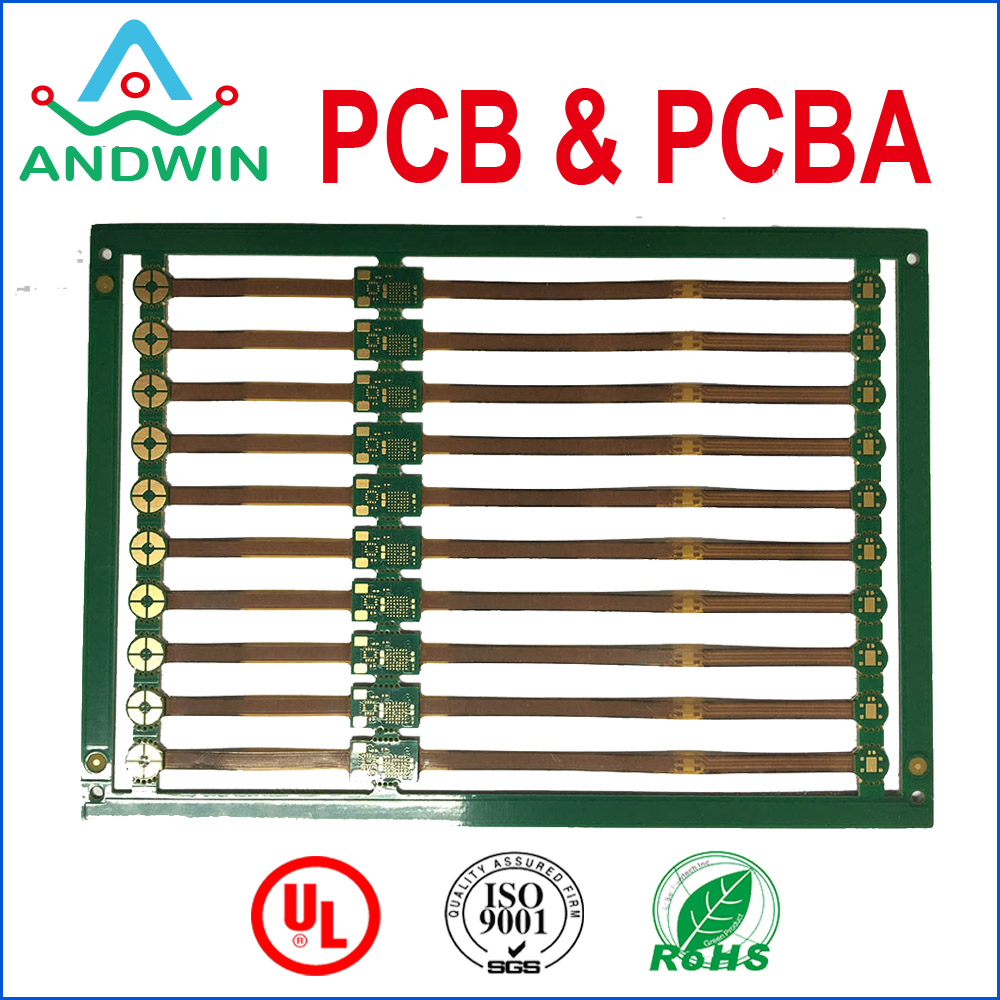
What is a 4 layer rigid-flex PCB?

A 4 layer rigid-flex PCB is a type of printed circuit board that consists of four layers of conductive material sandwiched between layers of insulating material. The board is designed to be both rigid and flexible, allowing it to bend and twist without breaking.

The 4 layer design
provides more space for components and allows for more complex circuits to be designed.

Advantages of 4 layer rigid-flex PCBs

1. Space-saving design: The 4 layer design of rigid-flex PCBs allows for more components to be placed in a smaller space, making it an ideal
choice for applications where space is limited.

2. Increased reliability: The flexible portion of the PCB reduces the stress on the components, making it less likely to break or fail.

3. Improved signal integrity: The 4 layer design of rigid-flex PCBs allows for better signal integrity, reducing the risk of interference or noise.

4. Lower assembly costs: Rigid-flex PCBs require fewer components and fewer assembly steps, reducing the overall cost of production.

GET IN TOUCH!

Applications of 4 layer rigid-flex PCBs

1. Medical devices: Rigid-flex PCBs are commonly used in medical devices due to their compact size and ability to withstand harsh
environments.

2. Aerospace and defense: Rigid-flex PCBs are used in aerospace and defense applications due to their ability to withstand extreme
temperatures and vibrations.

3. Consumer electronics: Rigid-flex PCBs are used in consumer electronics such as smartphones and tablets due to their space-saving design
and improved reliability.

4. Automotive: Rigid-flex PCBs are used in automotive applications due to their ability to withstand the harsh conditions of the automotive
environment.
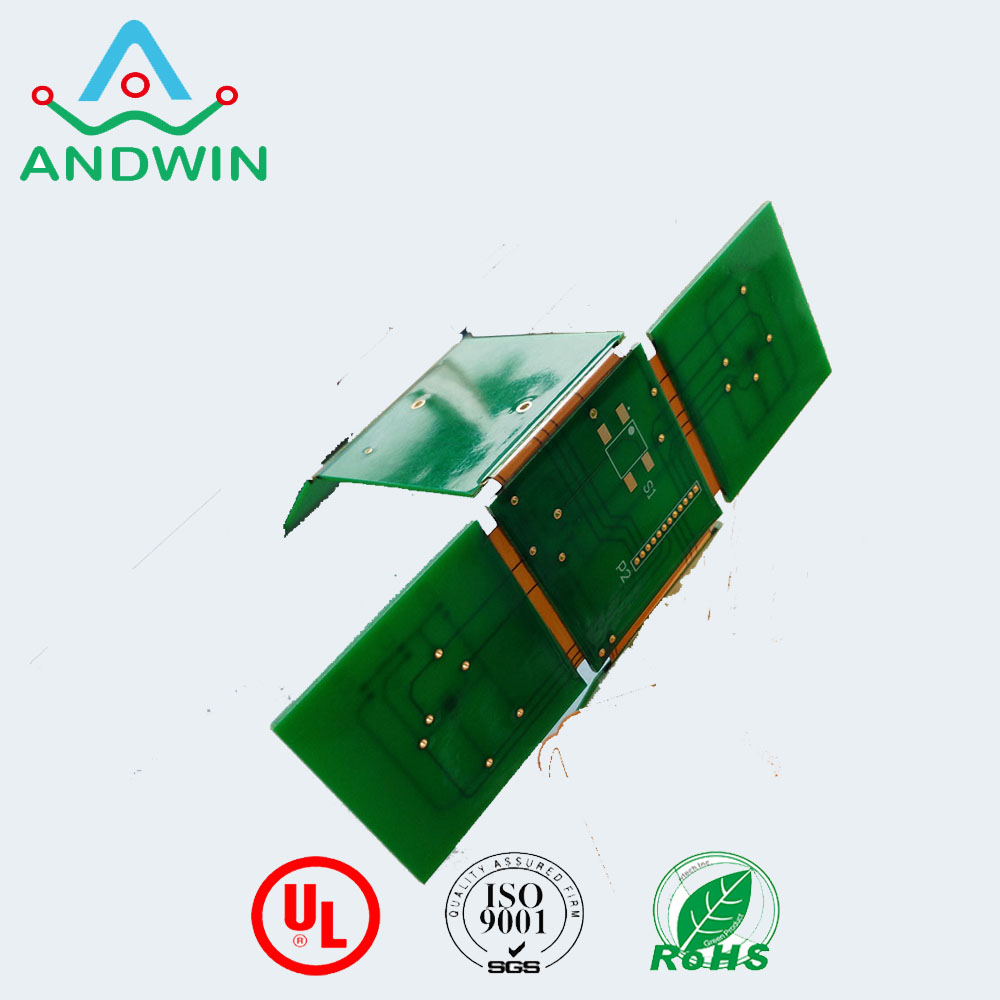
Design considerations for 4 layer rigid-flex PCBs

When designing a 4 layer rigid-flex PCB, there are several considerations that need to be taken into account. These include:

1. Material selection: The choice of materials used in the PCB can affect its flexibility, durability, and overall performance.

2. Bend radius: The bend radius of the PCB should be carefully considered to ensure that it can bend and flex without breaking.

3. Component placement: The placement of components on the PCB should be carefully considered to ensure that they are not placed in
areas that will be subject to stress or strain.

4. Trace routing: The routing of traces on the PCB should be carefully considered to ensure that they can bend and flex without breaking.

Conclusion

4 layer rigid-flex PCBs are an excellent choice for applications that require a combination of flexibility and reliability. They offer several advantages over traditional rigid PCBs, including space-saving design, improved signal integrity, and lower assembly costs.

When designing a 4 layer rigid-flex PCB, it is important to consider material selection, bend radius, component placement, and trace routing to ensure that the
PCB can withstand the intended application.

GET IN TOUCH!

Post navigation

Previous Previous
What is flex pcb cable?
NextContinue
Flex pcb stiffener

Search

Search

Products

  • HDI Multilayer PCB
  • Rigid Flex PCB
  • Flex pcb
  • High Frequency PCB
  • High speed pcb
  • Heavy copper PCB
  • Metal Core PCB
  • Ceramic PCB

Address

Andwin Circuits Co.,Limited
Email: sales@andwinpcb.com
Tel: +86 755 2832 9394
Fax:+86 755 2992  6717
ADD:1-2F-1217,HouDeQun Industrial park,
NanTing RD NO.56,ShaJing,BaoAn,Shenzhen 518104,GuangDong,China

Products

  • HDI Multilayer PCB
  • Rigid Flex PCB
  • Flex pcb
  • High Frequency PCB
  • High speed pcb
  • Heavy copper PCB
  • Metal Core PCB
  • Ceramic PCB

Technology

  • Blogs
  • Via in pad
  • PCB E-test
  • PCB stack up
  • Metal core PCB panelization
  • Controlled impedance PCB

CERTIFICATION

Certification >>


Copyright© 2003 - 2026 Andwin | All Rights Reserved | Powered by Andwin

Scroll to top
  • Home
  • Products
    • HDI multilayer PCB
    • Rigid Flex PCB
    • Flex pcb
    • Special PCB
      • High Frequency PCB
        • Rogers RO4350B PCB
        • Rogers RO4003 pcb
        • Rogers RO3003 PCB
        • Rogers 5880 PCB
        • DICLAD 527 PCB
        • Taconic TLX series
        • Taconic TLX-8 RF PCB
        • Taconic TLX-9 RF PCB
      • High speed pcb
        • Megtron 6 High Speed PCB
        • TU-872 SLK Sp High Speed
      • High TG PCB
        • SHENGYI SH260 PCB
        • ISOLA 370HR PCB
        • ISOLA IS410 PCB
        • ISOLA IS420 PCB
      • Heavy copper PCB
      • Copper coin pcb
      • Copper inlay PCB
    • Metal Core PCB
      • Copper core pcb
      • Aluminum PCB
      • 2 Layers Aluminum PCB
      • Direct thermal MCPCB
      • 2 Layers Direct Thermal
    • Ceramic PCB
      • DPC ceramic PCB
      • DBC ceramic PCB
      • Thick film Ceramic PCB
      • Al2O3 Alumina PCB
      • AIN ALN ceramic PCB
      • IGBT Ceramic PCB
  • Service
    • PCB Assembly
    • Quick turn PCB assembly
    • PCBA conformal coating
  • Industry
    • Telecommunication
    • IoT and Wireless
    • Industrial Control
    • Thermal management
    • Power and Energy
    • IC test board
    • Automative
    • Medical
  • Capability
    • Rigid PCB
    • Rigid flex PCB
    • Metal core PCB
    • PCB Assembly
  • Technology
    • Blogs
    • Via in pad
    • PCB E-test
    • PCB stack up
    • MCPCB panelization
    • Controlled impedance PCB
  • About
    • About us
    • Certification
    • Factory Tour
  • Contact
Search