
Skip to content
Andwin Circuits
  • Home
  • ProductsExpand
    • HDI multilayer PCB
    • Rigid Flex PCB
    • Flex pcb
    • Special PCBExpand
      • High Frequency PCBExpand
        • Rogers RO4350B PCB
        • Rogers RO4003 pcb
        • Rogers RO3003 PCB
        • Rogers 5880 PCB
        • DICLAD 527 PCB
        • Taconic TLX series
        • Taconic TLX-8 RF PCB
        • Taconic TLX-9 RF PCB
      • High speed pcbExpand
        • Megtron 6 High Speed PCB
        • TU-872 SLK Sp High Speed
      • High TG PCBExpand
        • SHENGYI SH260 PCB
        • ISOLA 370HR PCB
        • ISOLA IS410 PCB
        • ISOLA IS420 PCB
      • Heavy copper PCB
      • Copper coin pcb
      • Copper inlay PCB
    • Metal Core PCBExpand
      • Copper core pcb
      • Aluminum PCB
      • 2 Layers Aluminum PCB
      • Direct thermal MCPCB
      • 2 Layers Direct Thermal
    • Ceramic PCBExpand
      • DPC ceramic PCB
      • DBC ceramic PCB
      • Thick film Ceramic PCB
      • Al2O3 Alumina PCB
      • AIN ALN ceramic PCB
      • IGBT Ceramic PCB
  • ServiceExpand
    • PCB Assembly
    • Quick turn PCB assembly
    • PCBA conformal coating
  • IndustryExpand
    • Telecommunication
    • IoT and Wireless
    • Industrial Control
    • Thermal management
    • Power and Energy
    • IC test board
    • Automative
    • Medical
  • CapabilityExpand
    • Rigid PCB
    • Rigid flex PCB
    • Metal core PCB
    • PCB Assembly
  • TechnologyExpand
    • Blogs
    • Via in pad
    • PCB E-test
    • PCB stack up
    • MCPCB panelization
    • Controlled impedance PCB
  • AboutExpand
    • About us
    • Certification
    • Factory Tour
  • Contact
Andwin Circuits
Home / A Brief Discussion on the Hazards of “Fingerprints” on PCBs and Prevention Methods

A Brief Discussion on the Hazards of “Fingerprints” on PCBs and Prevention Methods

ByGrace July 22, 2025March 31, 2026

Abstract

Printed Circuit Boards (PCBs) are essential components in modern electronics, and their reliability directly impacts the performance and longevity of electronic devices. However, during manufacturing, handling, and assembly, human contact often leaves fingerprints (“finger marks”) on PCB surfaces. These fingerprints can introduce contaminants such as salts, oils, and moisture, leading to corrosion, poor solderability, and electrical failures. This paper explores the hazards of fingerprints on PCBs, analyzes their root causes, and proposes effective prevention and mitigation strategies to enhance PCB quality and reliability.

1. Introduction

PCBs serve as the backbone of electronic circuits, providing mechanical support and electrical connections between components. Any contamination, including fingerprints, can compromise their functionality. Fingerprints contain organic and inorganic residues, such as sweat, oils, and salts, which may cause electrochemical migration, oxidation, and insulation degradation. Understanding these risks and implementing proper handling procedures is crucial for ensuring PCB reliability.
Contact us for PCB quote now |

2. Hazards of Fingerprints on PCBs

2.1 Corrosion and Oxidation

Fingerprints contain chloride ions and organic acids from sweat, which accelerate copper oxidation and corrosion. Over time, this can lead to:

  • Conductive anodic filament (CAF) formation, causing short circuits.
  • Increased contact resistance, degrading signal integrity.
  • Weakened solder joints due to surface contamination.

2.2 Poor Solderability

Oils and residues from fingerprints create a barrier between solder and PCB pads, resulting in:

  • Non-wetting or dewetting during soldering.
  • Void formation in solder joints, reducing mechanical strength.
  • Increased defect rates in surface-mount technology (SMT) assembly.

2.3 Electrical Leakage and Insulation Failure

Contaminants from fingerprints can form conductive paths, especially in high-humidity environments, leading to:

  • Current leakage between traces.
  • Reduced insulation resistance, affecting high-impedance circuits.
  • Signal interference in high-frequency applications.

2.4 Long-Term Reliability Issues

Even if fingerprints do not cause immediate failures, they contribute to:

  • Delayed electrochemical migration, causing latent defects.
  • Degradation of conformal coatings, reducing protection against moisture and dust.
  • Increased failure rates in harsh environments (e.g., automotive, aerospace).

3. Root Causes of Fingerprint Contamination

Fingerprints are introduced during various stages of PCB production and handling:

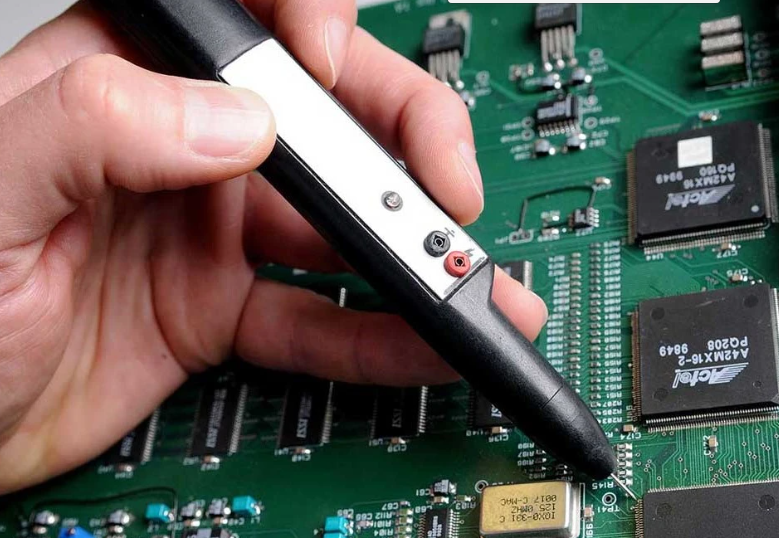
  • Bare board handling: Workers touching unprotected copper surfaces.
  • Assembly processes: Improper glove usage during component placement.
  • Inspection and testing: Direct contact with test points and connectors.
  • Storage and transportation: Lack of anti-static or clean handling protocols.
Contact us for PCB quote now |

4. Prevention and Mitigation Strategies

4.1 Proper Handling Procedures

  • Use of gloves: Nitrile or ESD-safe gloves prevent direct skin contact.
  • Tweezers and vacuum pick-up tools: Minimize manual handling of PCBs.
  • Clean workstations: Regularly sanitize surfaces to avoid cross-contamination.

4.2 Cleaning Techniques

If fingerprints are detected, the following cleaning methods can be applied:

  • Isopropyl alcohol (IPA) wiping: Effective for removing organic residues.
  • Ultrasonic cleaning: For deep cleaning of assembled PCBs.
  • Deionized water rinsing: Prevents mineral deposits after cleaning.

4.3 Surface Protection

  • Conformal coatings: Provide a protective layer against moisture and contaminants.
  • Solder mask application: Covers exposed copper to reduce oxidation risks.
  • Anti-tarnish treatments: Chemical coatings to prevent copper corrosion.

4.4 Training and Awareness

  • Workforce education: Train personnel on the risks of fingerprint contamination.
  • ESD and cleanliness protocols: Implement strict handling guidelines in production areas.

5. Conclusion

Fingerprint contamination on PCBs poses significant risks, including corrosion, solderability issues, and electrical failures. By adopting proper handling techniques, cleaning methods, and protective measures, manufacturers can minimize these risks and enhance PCB reliability. Continuous training and strict process controls are essential to maintaining high-quality PCB production in the electronics industry.

Contact us for PCB quote now |

Post Tags: #aluminum clad pcb#aluminum core pcb#aluminum pcb#pcb design#PCB layout

Post navigation

Previous Previous
Answers to difficult questions about PCB “vias”
NextContinue
5 Common Mistakes That Lead to PCB Failure

Search

Search

Products

  • HDI Multilayer PCB
  • Rigid Flex PCB
  • Flex pcb
  • High Frequency PCB
  • High speed pcb
  • Heavy copper PCB
  • Metal Core PCB
  • Ceramic PCB

Address

Andwin Circuits Co.,Limited
Email: sales@andwinpcb.com
Tel: +86 755 2832 9394
Fax:+86 755 2992  6717
ADD:1-2F-1217,HouDeQun Industrial park,
NanTing RD NO.56,ShaJing,BaoAn,Shenzhen 518104,GuangDong,China

Products

  • HDI Multilayer PCB
  • Rigid Flex PCB
  • Flex pcb
  • High Frequency PCB
  • High speed pcb
  • Heavy copper PCB
  • Metal Core PCB
  • Ceramic PCB

Technology

  • Blogs
  • Via in pad
  • PCB E-test
  • PCB stack up
  • Metal core PCB panelization
  • Controlled impedance PCB

CERTIFICATION

Certification >>


Copyright© 2003 - 2026 Andwin | All Rights Reserved | Powered by Andwin

Scroll to top
  • Home
  • Products
    • HDI multilayer PCB
    • Rigid Flex PCB
    • Flex pcb
    • Special PCB
      • High Frequency PCB
        • Rogers RO4350B PCB
        • Rogers RO4003 pcb
        • Rogers RO3003 PCB
        • Rogers 5880 PCB
        • DICLAD 527 PCB
        • Taconic TLX series
        • Taconic TLX-8 RF PCB
        • Taconic TLX-9 RF PCB
      • High speed pcb
        • Megtron 6 High Speed PCB
        • TU-872 SLK Sp High Speed
      • High TG PCB
        • SHENGYI SH260 PCB
        • ISOLA 370HR PCB
        • ISOLA IS410 PCB
        • ISOLA IS420 PCB
      • Heavy copper PCB
      • Copper coin pcb
      • Copper inlay PCB
    • Metal Core PCB
      • Copper core pcb
      • Aluminum PCB
      • 2 Layers Aluminum PCB
      • Direct thermal MCPCB
      • 2 Layers Direct Thermal
    • Ceramic PCB
      • DPC ceramic PCB
      • DBC ceramic PCB
      • Thick film Ceramic PCB
      • Al2O3 Alumina PCB
      • AIN ALN ceramic PCB
      • IGBT Ceramic PCB
  • Service
    • PCB Assembly
    • Quick turn PCB assembly
    • PCBA conformal coating
  • Industry
    • Telecommunication
    • IoT and Wireless
    • Industrial Control
    • Thermal management
    • Power and Energy
    • IC test board
    • Automative
    • Medical
  • Capability
    • Rigid PCB
    • Rigid flex PCB
    • Metal core PCB
    • PCB Assembly
  • Technology
    • Blogs
    • Via in pad
    • PCB E-test
    • PCB stack up
    • MCPCB panelization
    • Controlled impedance PCB
  • About
    • About us
    • Certification
    • Factory Tour
  • Contact
Search