Author: Grace

  • Embedded copper coin pcb

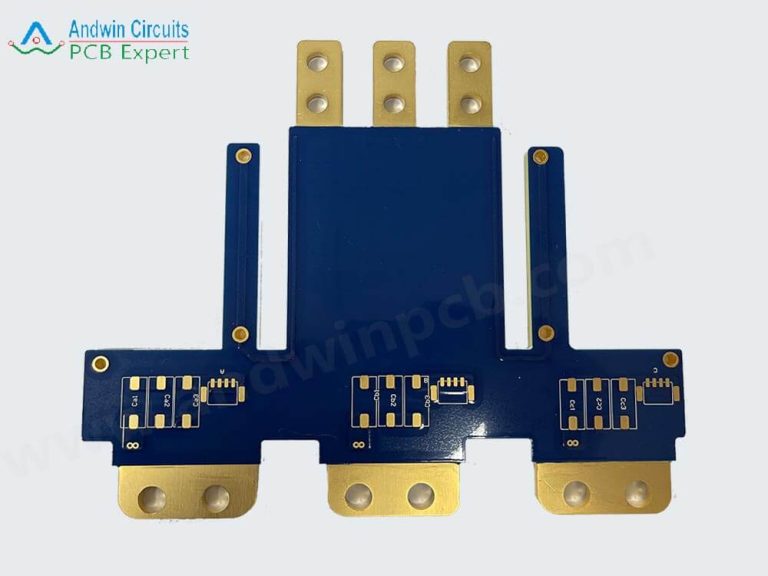
    Embedded copper coin PCBs have emerged as a pivotal innovation in the realm of high-power applications, offering a multitude of benefits that address the growing demands for efficiency, reliability, and thermal management. As electronic devices continue to evolve, the need for robust solutions that can handle increased power densities without compromising performance has become paramount. Embedded copper coin PCBs, with their unique construction and material properties, provide an effective answer to these challenges.

  • Electronics pcb manufacturing

    The field of electronics has witnessed remarkable advancements over the past few decades, and one of the pivotal areas contributing to this progress is Electronics pcb manufacturing. As the backbone of modern electronic devices, PCBs have evolved significantly, driven by the relentless pursuit of miniaturization, enhanced performance, and cost efficiency. The advances in PCB manufacturing technology have not only revolutionized the electronics industry but have also paved the way for innovative applications across various sectors.

  • Electronic pcb design

    When embarking on the journey of electronic PCB design, adhering to best practices is crucial for ensuring both functionality and reliability. The process of designing a printed circuit board (PCB) involves a series of meticulous steps, each of which plays a pivotal role in the overall performance of the final product.

    To begin with, it is essential to have a clear understanding of the circuit requirements and constraints.

    This foundational knowledge serves as the bedrock upon which the entire design is built, guiding decisions related to component placement, routing, and layer configuration.

  • Electronic pcb assembly

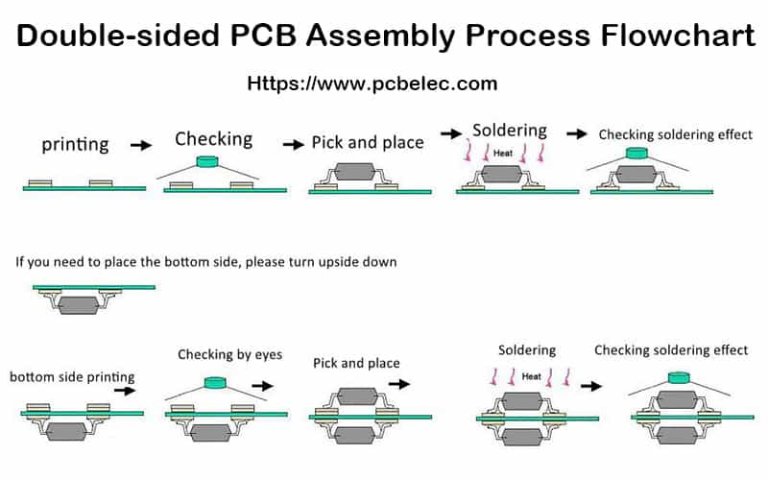
    The field of electronic PCB assembly has witnessed remarkable innovations over the past few years, driven by the relentless pursuit of efficiency, precision, and miniaturization. As technology continues to evolve, the methods and techniques used in PCB assembly have had to adapt to meet the increasing demands of modern electronic devices.

  • Dynamic flex pcb

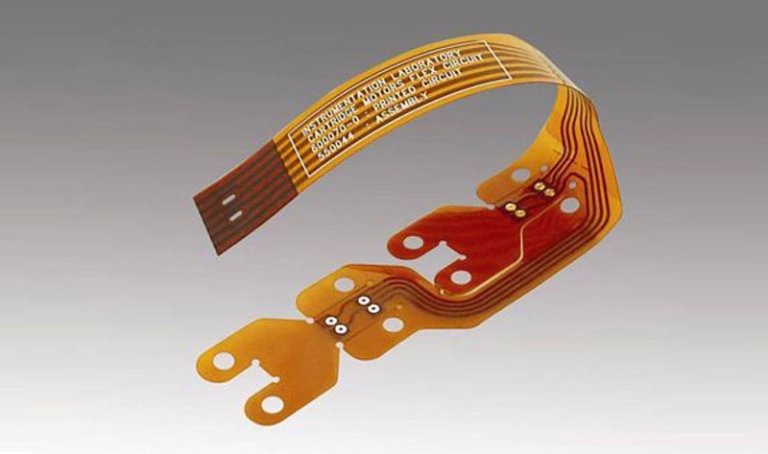
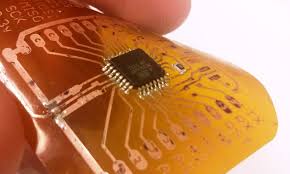
    Dynamic flex PCB, or flexible printed circuit boards, have become increasingly integral to the advancement of modern electronics. These innovative components offer a multitude of advantages that make them indispensable in various applications, ranging from consumer electronics to industrial machinery. One of the primary benefits of dynamic flex PCBs is their inherent flexibility, which allows for more compact and versatile designs. Unlike traditional rigid PCBs, dynamic flex PCBs can be bent, folded, and twisted without compromising their functionality. This flexibility enables designers to create more intricate and space-efficient electronic devices, which is particularly valuable in the development of wearable technology, medical devices, and compact consumer electronics.

  • Dryer pcb assembly board

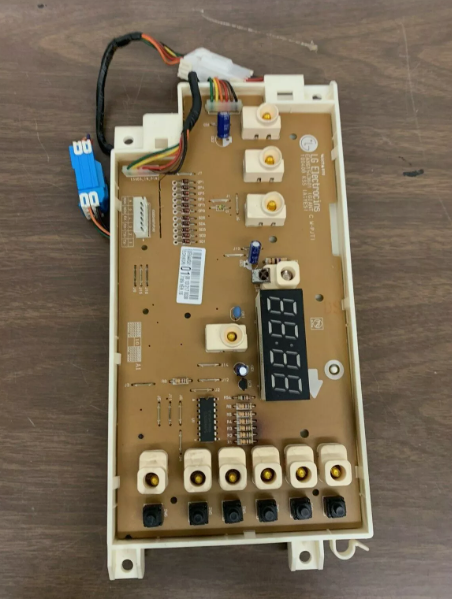
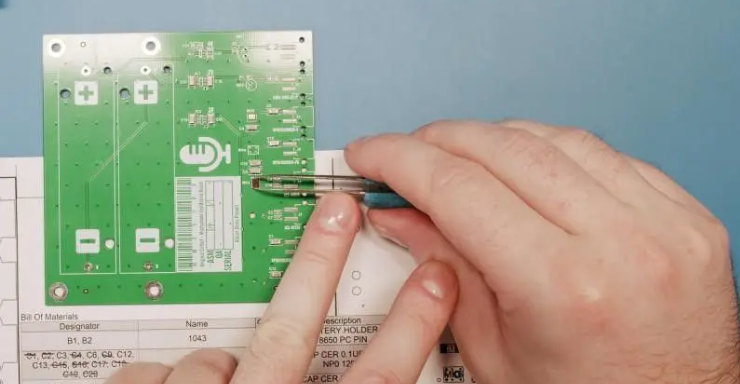
    The importance of quality control in the assembly of dryer PCB (Printed Circuit Board) cannot be overstated. As the central nervous system of modern dryers, the PCB assembly board is responsible for managing and coordinating the various functions and operations of the appliance. Ensuring the reliability and efficiency of these boards is paramount, as any malfunction can lead to significant inconveniences for users and potentially costly repairs. Therefore, implementing rigorous quality control measures during the assembly process is essential to guarantee the performance and longevity of the dryer.

  • Double sided metal core pcb

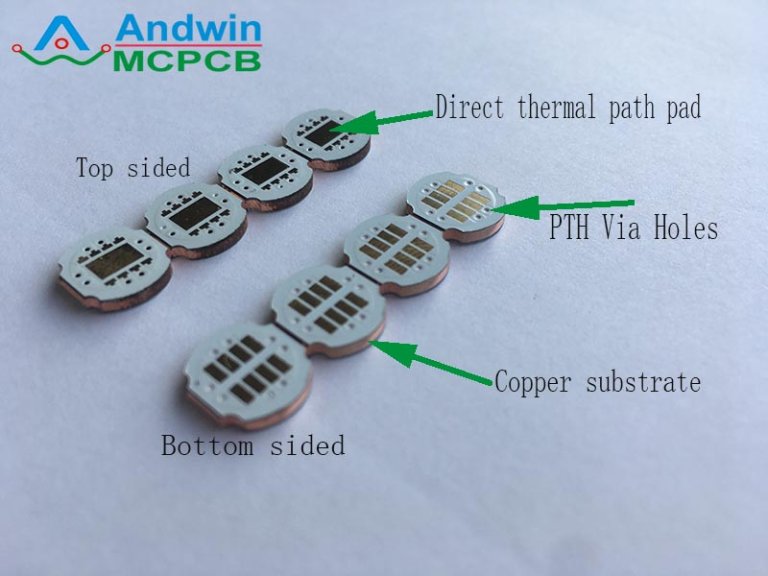
    Double-sided metal core printed circuit boards (PCBs) have emerged as a pivotal technology in high-power applications, offering a range of advantages that make them indispensable in various industries. These PCBs are characterized by their unique construction, which includes a metal core sandwiched between two layers of conductive material. This design not only enhances their thermal management capabilities but also provides several other benefits that are crucial for high-power applications.

  • Double sided flex pcb

    Double sided flexible printed circuit boards (PCBs) have become increasingly integral to the advancement of modern electronics, offering a multitude of advantages that cater to the evolving demands of contemporary technology. These PCBs, characterized by their ability to accommodate conductive pathways on both sides of a flexible substrate, present a unique combination of flexibility, durability, and efficiency that traditional rigid PCBs cannot match.

  • Double sided aluminum pcb

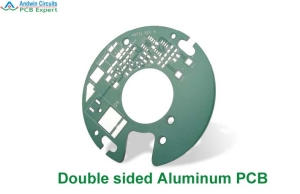
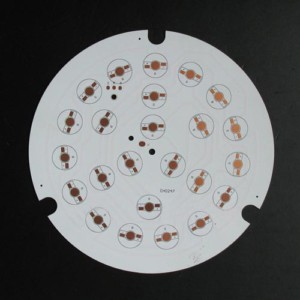
    Advantages Of Double Sided Aluminum PCB In LED Applications Double-sided aluminum PCBs have emerged as a pivotal component in the realm of LED applications, offering a multitude of advantages that enhance performance, reliability, and efficiency. These printed circuit boards, characterized by their aluminum core and conductive layers on both sides, are particularly well-suited for high-power…

  • Diy pcb manufacturing

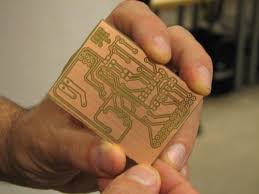
    When embarking on the journey of DIY PCB (Printed Circuit Board) manufacturing, it is crucial to equip oneself with the essential tools and materials to ensure a successful and efficient process. The first step in this endeavor involves understanding the fundamental components required to create a functional PCB. This knowledge not only streamlines the manufacturing process but also enhances the quality and reliability of the final product.

  • Diy pcb assembly

    Embarking on the journey of DIY PCB assembly can be both a rewarding and educational experience. To ensure a successful project, it is essential to follow a systematic approach. The first step involves designing the PCB layout using specialized software such as Eagle, KiCad, or Altium Designer. These tools allow you to create a schematic diagram, which serves as a blueprint for your circuit. Once the schematic is complete, you can proceed to design the PCB layout, ensuring that all components are correctly placed and connected.

  • Diy multilayer pcb

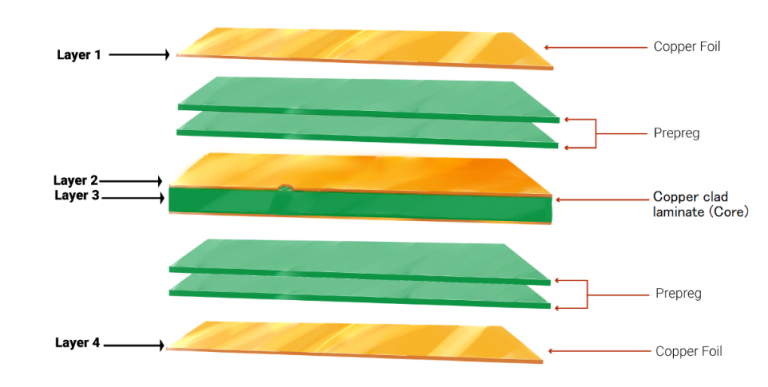
    Designing your own multilayer printed circuit board (PCB) can be a rewarding endeavor, offering both the satisfaction of creating a custom solution and the potential for significant cost savings. To embark on this journey, it is essential to understand the step-by-step process involved in creating a multilayer PCB, from initial design to final production. This guide aims to provide a comprehensive overview of the necessary steps, ensuring a smooth and successful project.

  • Diy flexible pcb

    Designing your own DIY flexible PCB at home can be a rewarding and cost-effective endeavor, especially for electronics enthusiasts and hobbyists. Flexible PCBs, or flex circuits, offer unique advantages over traditional rigid PCBs, including the ability to bend and conform to various shapes, which can be particularly useful in compact or irregularly shaped electronic devices. To embark on this project, it is essential to understand the fundamental steps involved in designing and fabricating a flexible PCB.

  • Diy ceramic pcb

    Creating your own DIY ceramic PCB can be a rewarding and cost-effective way to develop custom electronic circuits. Ceramic PCBs are known for their excellent thermal conductivity, high-frequency performance, and durability, making them ideal for high-power and high-temperature applications. This step-by-step guide will walk you through the process of creating your own ceramic PCB, from selecting materials to final assembly.